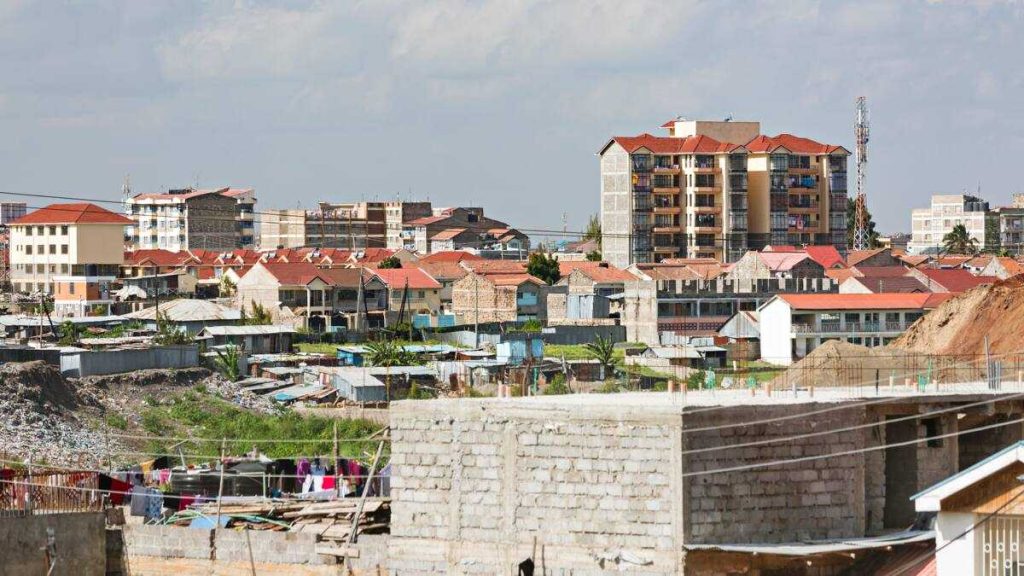
Embakasi is one of Nairobi’s most vibrant and fast-growing residential and commercial areas. Located on the eastern side of Kenya’s capital, Embakasi is known for its mix of housing estates, industrial zones, transport infrastructure, and economic activities. Over the years, it has evolved into a bustling metropolitan district, attracting people from different backgrounds seeking employment, business opportunities, and affordable housing.
Location
Embakasi is strategically situated along major transport corridors, making it easily accessible from Nairobi’s central business district (CBD) and other parts of the city. It is served by key roads such as Mombasa Road, Outer Ring Road, Kangundo Road, and the Eastern Bypass, which connect it to various estates and commercial centers. The presence of Jomo Kenyatta International Airport (JKIA), Kenya’s busiest airport, further enhances Embakasi’s significance as a gateway to international travel and trade.
Public transportation is widely available, with matatus (public minibuses), buses, and boda bodas (motorcycle taxis) providing convenient mobility options. The Standard Gauge Railway (SGR) station in Syokimau, near Embakasi, also facilitates easy movement for commuters traveling to and from Mombasa.
Residential Areas and Housing
Embakasi is home to a mix of middle-class, upper-middle-class, and low-income housing estates, offering a variety of accommodation options. Some of the most notable residential areas include Nyayo Estate, Fedha Estate, Tassia, Pipeline, Donholm, and Utawala, each catering to different income levels.
Nyayo Estate is one of the most well-planned gated communities in the area, known for its secure environment, paved roads, and modern amenities. Fedha and Tassia offer more affordable housing, attracting young professionals and families. Pipeline, on the other hand, is densely populated, with many apartments and rental units catering to the growing urban population. Utawala has become a preferred location for homebuyers seeking spacious residential properties at relatively lower prices compared to Nairobi’s central areas.
Economic Activities and Business Growth
Embakasi is a major economic hub, with industries, businesses, and small enterprises thriving in the area. The Industrial Area and Export Processing Zones (EPZ) host manufacturing companies involved in food processing, textiles, construction materials, and logistics. Many companies have set up warehouses and distribution centers in Embakasi due to its proximity to the airport, railway, and major highways.
Shopping malls, supermarkets, and open-air markets provide residents with essential goods and services. Some of the notable shopping centers include Gateway Mall, Taj Mall, Embakasi Village Market, and Greenspan Mall. These retail hubs offer a variety of shops, banking services, restaurants, and entertainment options, making them convenient for local shoppers.
Small and medium-sized businesses also play a crucial role in the area’s economy. Many residents engage in retail trade, transport services, real estate, and hospitality businesses, creating employment opportunities and boosting the local economy.
Social Amenities and Infrastructure
Embakasi is well-equipped with essential social amenities, including schools, hospitals, and recreational facilities. The area has numerous public and private schools catering to children of different academic levels. Institutions such as Embakasi Girls Secondary School, Tumaini Academy, and St. Bakhita Schools provide quality education to students.
Also Read: The Social House Nairobi: A Contemporary Urban Retreat
In terms of healthcare, Embakasi has several public hospitals, private clinics, and dispensaries that serve the growing population. Facilities like Mama Lucy Kibaki Hospital, Gertrude’s Children’s Hospital, and Ruai Family Hospital offer medical care to residents, ensuring access to essential health services.
For recreation and leisure, residents have access to parks, entertainment joints, and fitness centers. The area’s nightlife has also expanded, with restaurants, bars, and clubs catering to different social preferences.
Security and Challenges
Like many urban areas, Embakasi faces security challenges, with cases of petty crime, burglaries, and traffic-related incidents being reported from time to time. However, the presence of police stations, community policing initiatives, and private security firms has helped to improve safety in many estates.
The rapid population growth and increasing demand for housing have also put pressure on water supply, sanitation, and road infrastructure, leading to occasional shortages and congestion in certain areas. The government and private developers continue to invest in improving roads, drainage systems, and public transport to address these challenges.