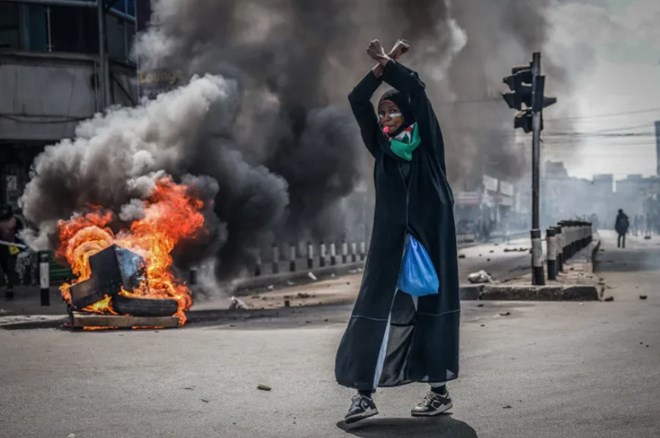
At least 16 people were killed during nationwide anti-government protests in Kenya on Wednesday, according to Amnesty International Kenya, as thousands took to the streets to mark the first anniversary of last year’s deadly demonstrations against a controversial tax bill.
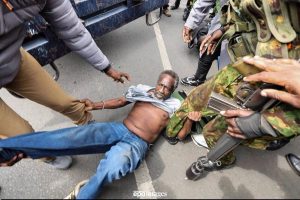
Most of the deceased were allegedly killed by police.
The protests, which turned violent in several towns including Nairobi, Mombasa, Kisii, and Nyeri, echoed the widespread unrest of June 2024, when more than 60 demonstrators died and protesters stormed parliament in a dramatic show of public outrage.
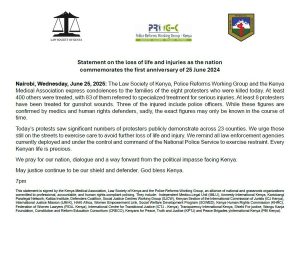
“This morning, we have verified 16 people dead as of 8:30 a.m.,” said Irungu Houghton, Executive Director of Amnesty Kenya, citing data confirmed jointly with the Kenya National Commission on Human Rights (KNCHR). “Most were killed by police. At least five were shot dead.”
KNCHR had earlier confirmed eight deaths from gunshot wounds and reported more than 400 injuries, including protesters, journalists, and police officers.
A statement posted on the agency’s official X (formerly Twitter) account denounced the use of excessive force, highlighting instances involving rubber bullets, water cannons, and live ammunition.
Despite repeated requests, Kenya Police spokesperson Muchiri Nyaga declined to comment on the deaths or the alleged use of lethal force.
Kenyatta National Hospital in Nairobi reported a surge in admissions from the protests.
A hospital official, who requested anonymity, confirmed 107 people were admitted, most suffering from gunshot wounds — a mix of rubber bullets and live rounds. No deaths were confirmed at the facility.
Meanwhile, Kenya Power, the state electricity utility, announced that one of its security guards had been fatally shot while patrolling its headquarters during the protests.
Protesters in Nairobi were seen marching toward State House, the presidential residence, in scenes aired live by NTV and KTN before both channels were taken off the air by the Communications Authority of Kenya for defying orders to halt live coverage.
The blackout was later overturned by a court in Nairobi, and broadcasts resumed.
Demonstrations were also reported in Kitengela, Matuu, and Kisii, as isolated clashes broke out between protesters and police.
The protests mark the one-year anniversary of the most violent political unrest under President William Ruto’s administration.
Last year’s protests erupted in opposition to proposed tax hikes, which were later withdrawn.
But public resentment has lingered, fueled by perceived government overreach, worsening economic conditions, and alleged police brutality.
Recent demonstrations have also been galvanized by the death of Albert Ojwang, a 31-year-old blogger and teacher who died in police custody.
Six people, including three police officers, have been charged with murder in connection to Ojwang’s death. All have pleaded not guilty.
“Ojwang’s death became a symbol of state impunity,” said protester Lumumba Harmony in Nairobi.
Wednesday’s unrest further intensifies scrutiny on President Ruto’s leadership amid growing calls for police reform and accountability.
The events have drawn international concern, with human rights organizations and foreign diplomats urging the government to exercise restraint and protect citizens’ right to protest.
The Independent Policing Oversight Authority (IPOA) confirmed that 61 people were arrested during the protests and said it is reviewing complaints related to the use of force by security personnel.
As Kenya grapples with the fallout from another deadly day of protest, the government’s handling of dissent continues to define a presidency under increasing pressure.
Why Might You Prefer TikTok Over Instagram