
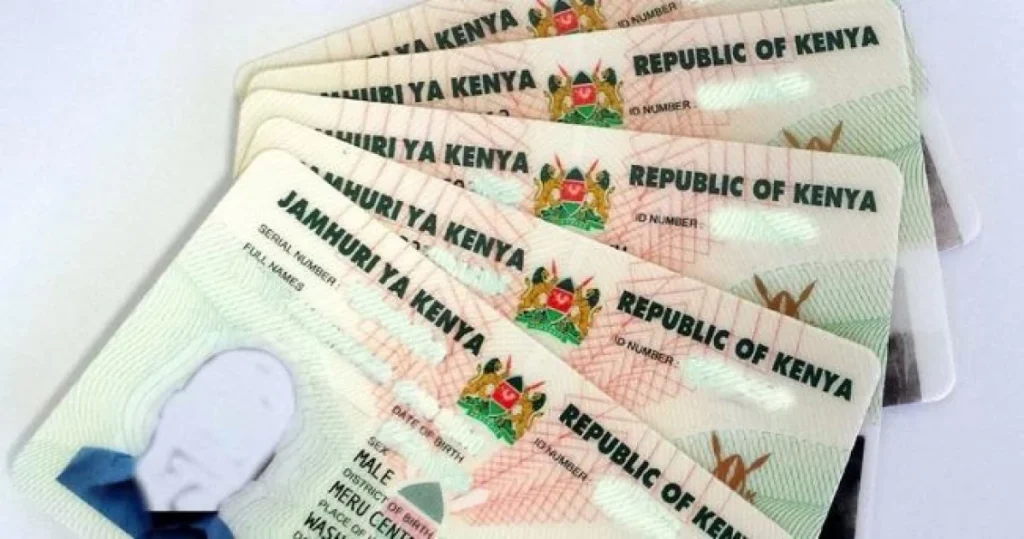
In a major policy shift with potential political and social implications, President William Ruto ’s administration has officially scrapped the Sh1,050 vetting and related payments previously charged for processing national identity cards, a move aimed at expanding access to citizen documentation as Kenya gears up for the 2027 General Election.
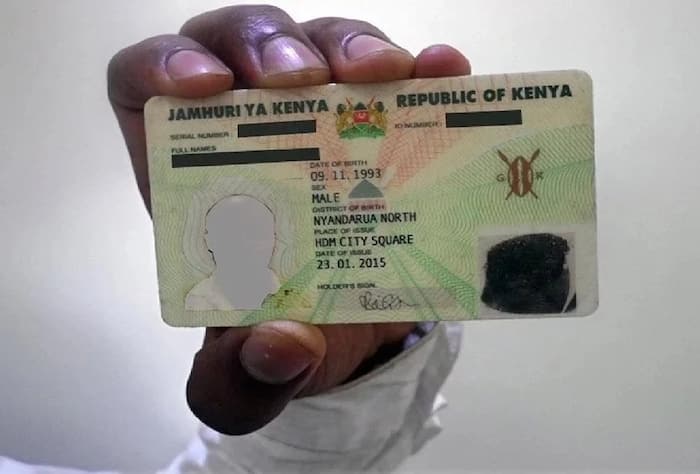
The directive okayed by William Ruto and announced by Interior Principal Secretary Dr. Raymond Omollo during a mobile registration exercise in Masara, eliminates application and replacement fees for national IDs and removes the long-standing extra vetting process for applicants from historically marginalised regions.
Dr. Omollo said the reforms were designed to break down barriers that for years left many Kenyans, especially in regions such as Homa Bay, Siaya, Busia, Garissa and Mandera, unable to access crucial identity documents that serve as gateways to services, rights and civic participation.
“His Excellency President Ruto has removed the requirement for extra vetting for residents in those counties so that they can access identification documents just like the rest of Kenyans,” the PS said, underlining the nationwide nature of the policy change.
From Security Measure to Access Priority
The extra vetting process targeted citizens in border regions, especially Northern Kenya, a legacy of security policies dating back to the Shifta insurgency in the 1960s that required citizens in these areas to undergo additional scrutiny before receiving identity cards.
Critics have long argued that the policy created unequal access to IDs and voter registration.
In February 2025, President William Ruto signed a proclamation abolishing this 60-year-old vetting requirement for residents of Kenya’s border counties, a move government insiders said was both a service reform and a political strategy to broaden civic engagement ahead of elections.
What Kenyans Pay, or Don’t Pay Now
Under the new arrangement, application for a first ID card, replacement of lost or damaged IDs, and other related charges that previously totalled about Sh1,050 via the government e-citizen portal have been removed, meaning applicants no longer face those costs to gain their identity documentation.
Though official fee structures for related documents such as passports and certificates remain subject to regulation, and previous revisions introduced a Sh300 application fee and Shh1,000 replacement fee, the latest cancellation represents a reversal of those charges for ID cards specifically.
Political and Social Impact
Government officials have framed the move as part of a broader push to ensure every Kenyan, regardless of region or income, can obtain an ID and, by extension, a voter registration card, an essential credential ahead of the 2027 polls.
Dr. Omollo noted that expanded ID coverage will allow planners to better deliver services and that many residents have already been responding in large numbers at registration centres.
However, the political dimension of the reforms was also acknowledged publicly at the Masara event, where local leaders pledged support for President Ruto’s re-election bid, pointing to the reforms as a key achievement for his administration.

Balancing Access and Security Concerns
While the government promotes the new policy as enhancing equality and participation, some civil society voices have raised concerns about security and the potential for misuse, especially given previous reports of fraud and irregular practices involving identity documents and the need for robust safeguards.
Nonetheless, the administration insists that modern verification methods, including biometric data and residency checks, will maintain the integrity of the registry system.
As the 2027 General Election draws closer, the cancellation of vetting fees and other charges will remain a focal point of debates around access to civic rights, inclusion and electoral strategy in Kenya’s complex political landscape.
FOLLOW NAIROBI NEWS ON FACEBOOK