
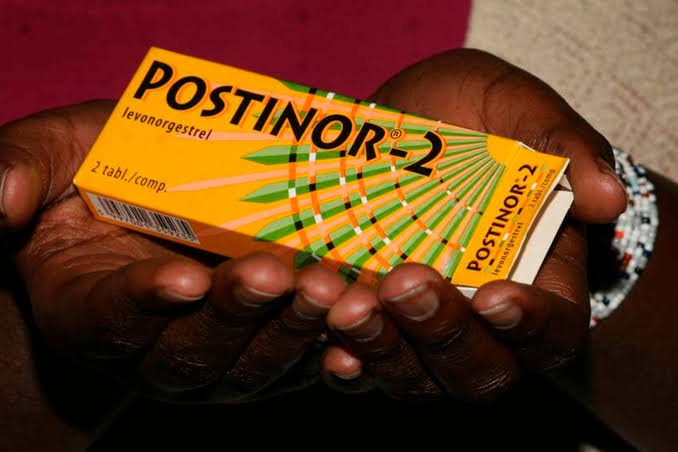
The Ministry of Health has issued a fresh warning over falsified Postinor-2 emergency contraceptive tablets reportedly circulating in the Kenyan market, raising concerns about the safety and effectiveness of medicines being sold to unsuspecting consumers.
The alert was issued through the Pharmacy and Poisons Board (PPB), Kenya’s medicines regulatory authority, after the regulator detected a suspected falsified batch during its post-marketing surveillance activities.
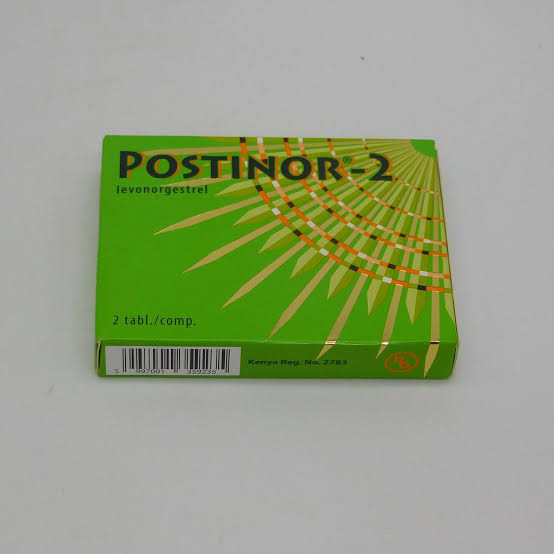
The affected product is labelled Postinor-2 (Levonorgestrel 0.75mg) Tablets, Batch No. T34197R, and falsely purports to have been manufactured by Hungarian pharmaceutical company Gedeon Richter Plc.

PPB identifies differences in fake tablets
According to the regulator, a comparison between the suspected falsified product and genuine Postinor-2 supplied by Gedeon Richter revealed several inconsistencies.
Among the concerns raised is the manner in which the batch number has been printed. The printing on the suspected counterfeit product reportedly differs from that found on authentic packaging.
The patient information leaflet also contains printing and typographical errors that were not consistent with genuine products.
PPB further identified differences in the way the medicine’s carton is sealed. Genuine Gedeon Richter products reportedly use a hot-melt closure, while the suspected falsified version uses a different sealing method.
The regulator also noted that the orange colour used on the brand name and other sections of the packaging is noticeably more intense on the suspected falsified product.
Another difference was reportedly observed on the authentication panel after it was scratched, with the logo appearing in a different font from that found on genuine packaging.
“These observations strongly indicate that the product is falsified and is not manufactured or released by Gedeon Richter,” the regulator said, according to the alert.
Authorities warn of potentially serious health consequences
The PPB cautioned that falsified medicines are particularly dangerous because there is no guarantee that they contain the correct pharmaceutical ingredients or quantities.
The suspected fake Postinor-2 could contain an incorrect amount of the active ingredient, no active ingredient at all, or potentially harmful contaminants and undeclared substances.
This means that consumers could receive a product that does not deliver the intended medical effect while potentially exposing themselves to other health risks.
The concern is not merely theoretical.
The World Health Organization has previously documented falsified Postinor-2 circulating in East Africa.
In an alert issued in 2015, WHO reported that laboratory analysis of a falsified version found it contained no active pharmaceutical ingredient.
The latest Kenyan alert, however, concerns Batch No. T34197R, which the PPB says was identified through its current surveillance activities.
Kenya steps up war against counterfeit medicines
The warning comes at a time when Kenya is intensifying its broader campaign against substandard and falsified medical products.
In July 2026, Health Cabinet Secretary Aden Duale inaugurated an Interministerial Steering Committee tasked with overseeing implementation of the country’s National Action Plan on Substandard and Falsified Medical Products.
The committee brings together government agencies with responsibilities spanning health regulation, law enforcement, border security and public health.
Its objective is to improve coordination in preventing, detecting and responding to unsafe medicines in the country.
The government has described counterfeit and substandard medicines as a threat to public health and national health security.
Authorities have also warned that poor-quality medicines can contribute to treatment failure, antimicrobial resistance and preventable deaths, while undermining public confidence in the healthcare system.
The crackdown extends beyond contraceptives. Recent surveillance efforts have also uncovered concerns involving other medical products, including falsified HIV rapid diagnostic test kits, counterfeit Viagra and medicines used in dialysis.
PPB urges vigilance among health professionals
The Pharmacy and Poisons Board has called on healthcare professionals to remain vigilant when handling Postinor-2 and other medical products.
Health facilities, pharmacies and other authorised outlets are expected to verify the authenticity of products before they are dispensed, while any stock suspected to be falsified should be quarantined and reported to the relevant authorities.
The latest warning also highlights the importance of obtaining medicines through legitimate, regulated healthcare channels rather than relying on products whose authenticity cannot be established.
Kenya has previously faced challenges involving counterfeit medicines, prompting the government to strengthen surveillance, regulation and enforcement.
In November 2025, Duale directed the PPB to intensify action against substandard, falsified, counterfeit and unregistered medicines, calling for products that endanger public health to be removed from the market and for those involved in their distribution to face legal action.
Why the alert matters
The Postinor-2 warning is significant because falsified medicines can be difficult for ordinary consumers to distinguish from genuine products.
Counterfeiters may reproduce familiar branding, packaging and batch information, creating the impression that a product has come from a legitimate manufacturer.
For this reason, the PPB’s latest alert places responsibility not only on consumers but also on healthcare professionals and medicine suppliers to remain vigilant.
The regulator’s intervention demonstrates the role of post-marketing surveillance in identifying potentially dangerous products after they enter the supply chain.
As Kenya expands its national response to falsified medical products, the latest Postinor-2 alert serves as another reminder of the public health risks posed by counterfeit medicines and the need for stronger controls across the pharmaceutical supply chain.
FOLLOW NAIROBI NEWS ON FACEBOOK