
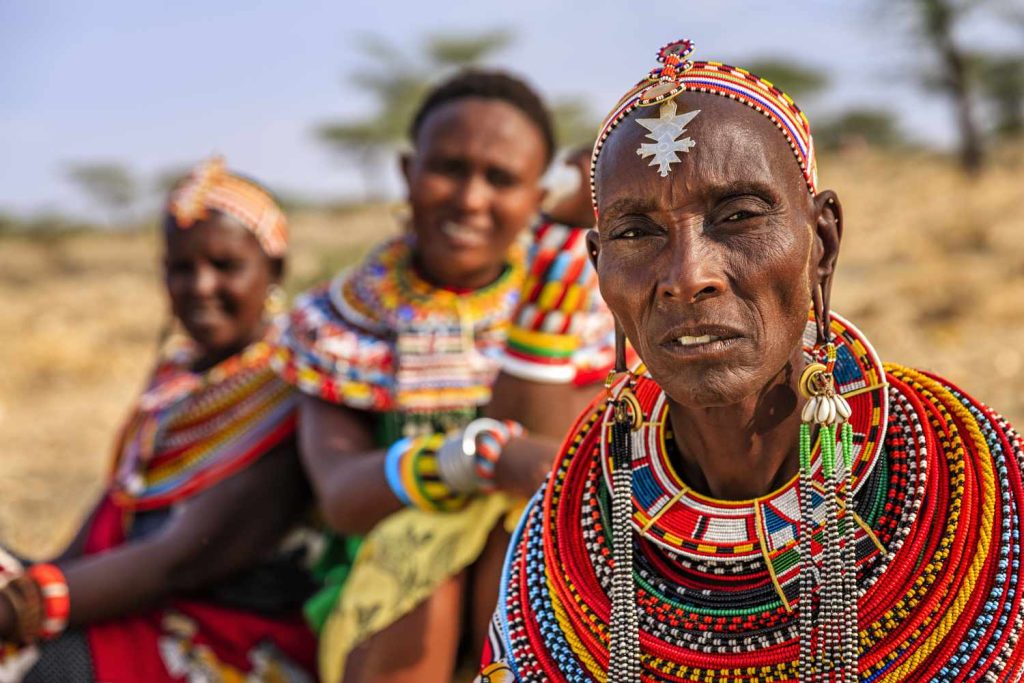
Nairobi, Kenya’s capital city, is often seen as a melting pot of diverse ethnic communities, shaped by migration, trade, and colonial history. Unlike many other Kenyan towns that have strong ethnic roots tied to indigenous communities, Nairobi’s identity is unique because it was originally an uninhabited swamp before the British established it as a railway hub in the late 19th century. However, various communities, particularly the Maasai and the Kikuyu, have historical ties to the land on which the city now stands.
The Maasai and the Land of Cool Waters
Before Nairobi became a bustling metropolis, the land was primarily occupied by the Maasai, who were nomadic pastoralists. The name Nairobi is derived from the Maasai phrase Enkare Nairobi, meaning “the place of cool waters,” referring to the fresh waters of the Nairobi River. The Maasai considered the region important due to its rich grazing lands, which supported their cattle. However, with the establishment of the Uganda Railway in 1899 and the subsequent growth of the colonial administration, the Maasai were gradually displaced as Nairobi developed into a commercial and political hub.
The Kikuyu Influence and Agricultural Roots
Another significant natives of Nairobi is the Kikuyu community. Traditionally an agricultural people, the Kikuyu inhabited the fertile highlands surrounding the city, including areas such as Kiambu, Limuru, and parts of present-day Nairobi. As Nairobi expanded, many Kikuyu people migrated into the city, engaging in trade, labor, and business. The construction of the railway and the growth of European farms in the early 20th century attracted Kikuyu workers who later settled in Nairobi’s emerging neighborhoods. Over time, the Kikuyu community became deeply integrated into the city’s economy, contributing to its growth through entrepreneurship and political influence.
Urbanization and the Cosmopolitan Identity
As Nairobi continued to grow, it attracted people from all over Kenya and beyond. The colonial administration brought in Indian laborers to construct the railway, and many of them later settled in Nairobi, contributing to the city’s commercial and business landscape. Additionally, other Kenyan communities, including the Luo, Luhya, Kamba, and Kisii, migrated to Nairobi in search of employment and business opportunities.
Also Read: Sarova Panafric Nairobi: A Premier Hospitality Destination in Kenya
This influx of people led to the establishment of Nairobi as a cosmopolitan city without a single dominant ethnic identity. Instead, it became a place where various cultural influences merged, creating a unique urban culture. The growth of estates such as Eastleigh, Kibera, and Pangani reflected the diversity of Nairobi’s residents, each community bringing its own traditions, languages, and economic contributions.
The Modern-Day Nairobi Native
Today, the term “natives of Nairobi” refers less to a specific ethnic group and more to individuals born and raised in the city. These Nairobians, often referred to as “Nairobian,” have developed a distinct urban identity shaped by multilingualism, modern lifestyles, and a blend of traditional and contemporary influences. Sheng, a mix of Swahili and English with various ethnic language influences, has become the unofficial language of Nairobi’s youth, symbolizing the fusion of cultures that define the city.
Despite the city’s modernization, remnants of Nairobi’s original communities still exist. The Maasai, although no longer dominant in the urban landscape, continue to maintain cultural and economic ties to the region, particularly through tourism and trade. The Kikuyu remain influential in business and politics, while other communities contribute to Nairobi’s dynamic cultural and economic fabric.
Natives of Nairobi