

Canadian Prime Minister Mark Carney’s Liberal Party secured a fourth consecutive election victory on Monday, but fell short of the majority government he had sought to strengthen his hand in dealing with U.S. President Donald Trump.
The Liberals were leading or elected in 167 of the 343 seats in the House of Commons five short of the 172 needed for a majority.
In his victory speech in Ottawa, Carney warned of a new era in Canada-U.S. relations.
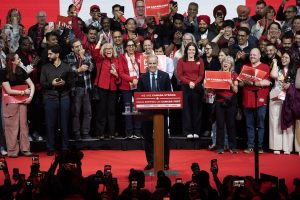
“The system of open global trade anchored by the United States… is over,” he said, citing Trump’s threats to impose tariffs and even annex Canadian territory.
Carney, a former central banker, promised a tough stance against Washington’s protectionism and outlined plans to reduce Canada’s economic reliance on the U.S.
He acknowledged the challenges ahead, saying the coming months would “require sacrifices.”
The Liberal comeback followed the resignation of former Prime Minister Justin Trudeau and a surge in nationalist sentiment sparked by Trump’s rhetoric.
Pollster Shachi Kurl said Carney benefited from anti-Conservative sentiment, Trump’s tariff threats, and Trudeau’s departure.
Conservative leader Pierre Poilievre conceded defeat but pledged to hold the minority government accountable.
Although his party made gains, especially in the Toronto area, Poilievre trailed in his own district with votes still being counted.
Smaller parties like the New Democrats and Bloc Québécois lost support to the Liberals amid growing fears of U.S. aggression. NDP leader Jagmeet Singh lost his seat and announced plans to resign.
Trump’s comments, including a social media post urging Canada to become the 51st U.S. state, galvanized Canadian voters and boosted support for Carney.
The result ensures political uncertainty, as minority governments in Canada typically last less than three years.
Mohamed Salah’s Goal Celebration Steals The Spotlight In Liverpool’s 5-1 Rout Of Tottenham