
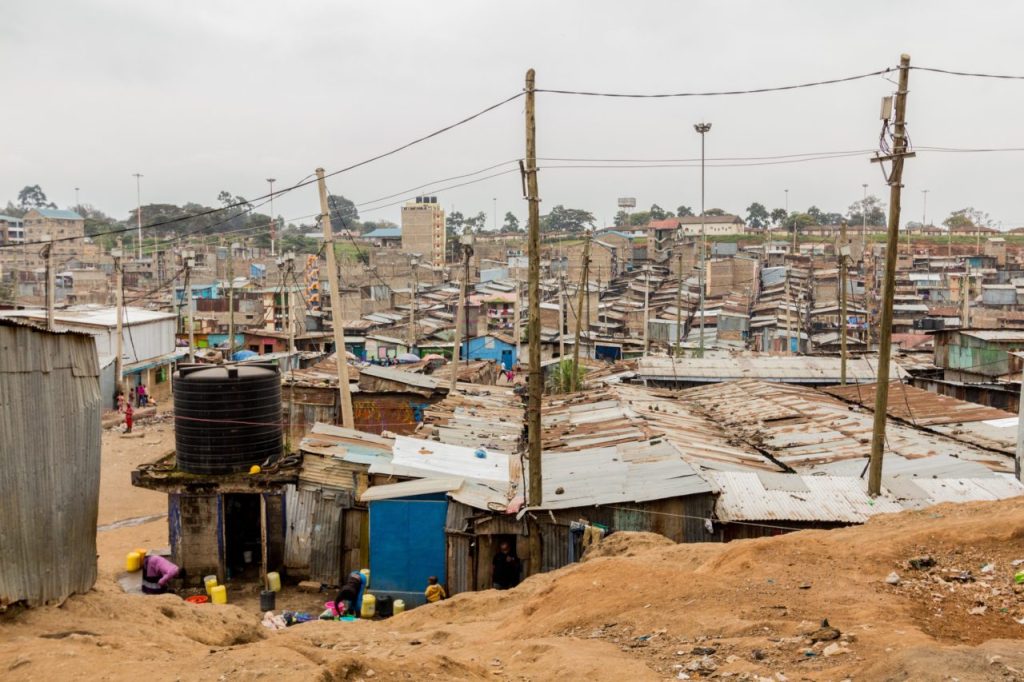
Mathare is one of the oldest and most well-known informal settlements in Nairobi, Kenya. Located just a few kilometers from the city center, Mathare is home to hundreds of thousands of residents who navigate daily challenges while showcasing immense resilience, innovation, and a strong sense of community.
The History and Growth of Mathare
Mathare traces its origins back to the colonial era when Nairobi’s rapid urbanization led to the expansion of informal settlements. Initially, it was a temporary housing area for laborers working in the city. Over the decades, the population surged, turning Mathare into a densely populated settlement characterized by informal structures, narrow alleys, and limited access to basic services.
Unlike some other informal settlements, Mathare has a long history of political activism and social movements. Over the years, residents have fought for better living conditions, access to education, and improved infrastructure, making it a focal point for community-based organizations and advocacy groups.
Social and Economic Landscape
Mathare Nairobi is a microcosm of Nairobi’s economic inequalities, with a large percentage of its residents engaged in informal employment. Small-scale businesses, street vending, and casual labor sustain many families. Despite economic hardships, Mathare has become a hub of entrepreneurship, with residents finding creative ways to generate income.
The settlement also faces significant challenges, including inadequate housing, poor sanitation, and limited access to healthcare. Many households lack clean water and proper waste management, creating public health risks. However, organizations working within Mathare have made strides in addressing some of these challenges through community-driven initiatives focused on sanitation, health services, and education.
Education and Youth Empowerment
Mathare Nairibi has a high population of young people, and education remains a critical concern. While there are government and private schools within and around the area, many children struggle with access to quality education due to financial constraints and overcrowded schools. Some community-run schools and non-governmental organizations have stepped in to provide learning opportunities, scholarships, and mentorship programs for children and youth.
Also Read: 67 Airport Hotel: A Comfortable Stay Near Jomo Kenyatta International Airport
Youth empowerment programs have also gained momentum in Mathare, offering skills training, sports, and creative arts to keep young people engaged and away from crime. Football clubs, music initiatives, and vocational training centers have provided alternative paths for the youth, helping them break free from the cycle of poverty.
Security and Crime Challenges
Mathare has often been associated with crime and insecurity, a reputation that has been shaped by historical factors, including unemployment and gang activities. However, the community itself has been at the forefront of addressing security concerns through grassroots initiatives. Local organizations have partnered with law enforcement and community leaders to implement peace programs, offering young people alternatives to criminal activities through employment and educational opportunities.
While crime remains a challenge, many residents have taken it upon themselves to create safer spaces, with neighborhood watch groups and community policing efforts playing a crucial role in maintaining order.
Healthcare and Social Services
Access to healthcare is a pressing issue in Mathare, with many residents relying on public health facilities that are often overstretched. Non-governmental organizations and faith-based groups have stepped in to offer free or low-cost medical services, maternal healthcare, and mental health support. Mobile clinics and community health workers have also improved access to medical care for those who cannot afford hospital treatment.
Despite the challenges, Mathare continues to evolve, with various redevelopment projects and urban renewal plans being proposed to improve infrastructure and living conditions. The national and county governments, in partnership with organizations and private entities, have explored initiatives to provide better housing, sanitation, and public amenities.