A pervasive climate of fear now grips parts of Tanzania after the disputed 29 October 2025 general election, forcing some Tanzanians citizens to seriously contemplate leaving the country amid reports of mass arrests, disappearances and brutality linked to political unrest.
The election saw President Samia Suluhu Hassan declared the overwhelming winner with nearly 98% of the vote, a result denounced by opposition parties, civil society and international observers as deeply flawed.
Key opposition leaders were barred from contesting and several were arrested on charges including treason well before polling day.
An Election Under a Shadow
The electoral process leading up to late October was marred by growing repression.
Human rights groups documented a surge in abductions, enforced disappearances and arbitrary arrests targeting opposition members, activists and journalists.
Between early October and election day alone, dozens of people, including teachers, pharmacists, motorcyclists and ordinary civilians, were reported abducted across several regions, with many never heard from again.
One high-profile case was the disappearance of former Tanzanian ambassador to Cuba, Humphrey Polepole, who vanished shortly after criticising the government publicly.
His family remains uncertain of his fate.
Amnesty International and Human Rights Watch have documented arrests, assaults, torture and other forms of intimidation that critics say appear designed to suppress dissent and discourage political participation.
The government has consistently rejected these allegations as exaggerated or “misleading” while asserting its commitment to rule of law.

Violence and Retaliation
On election day and in the days that followed, widespread protests erupted in Dar es Salaam, Arusha, Mwanza and other urban centres as citizens expressed anger over the exclusion of opposition candidates and alleged fraud.
Rights groups and opposition spokespeople reported scores, and possibly hundreds, of protesters killed in clashes with security forces.
Official figures have not been released, but various estimates suggest a toll far higher than government statements.
Security forces responded with curfews, internet shutdowns and lethal force.
In some cases, families were unable to recover the bodies of loved ones killed in the unrest, intensifying public unease about the true scale of the violence.
Arrests at Undisclosed Locations
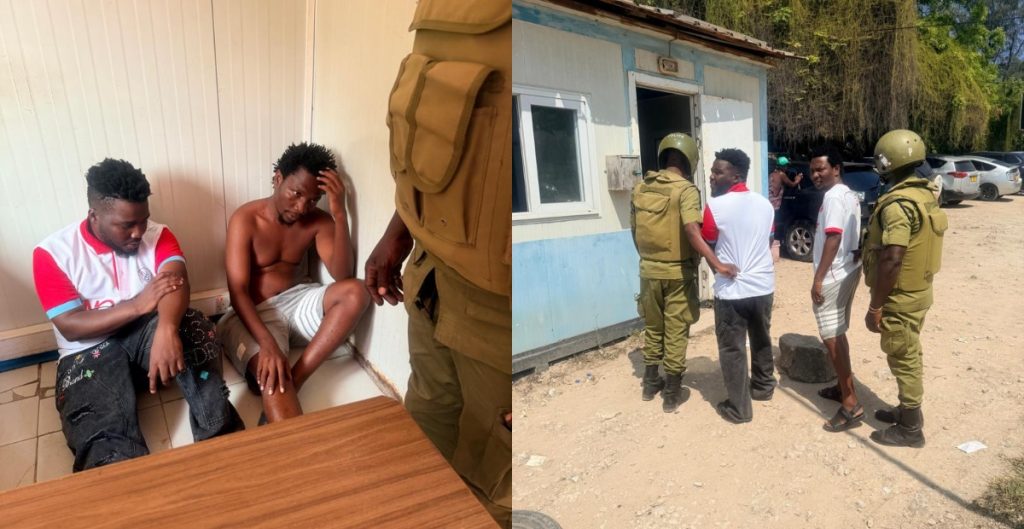
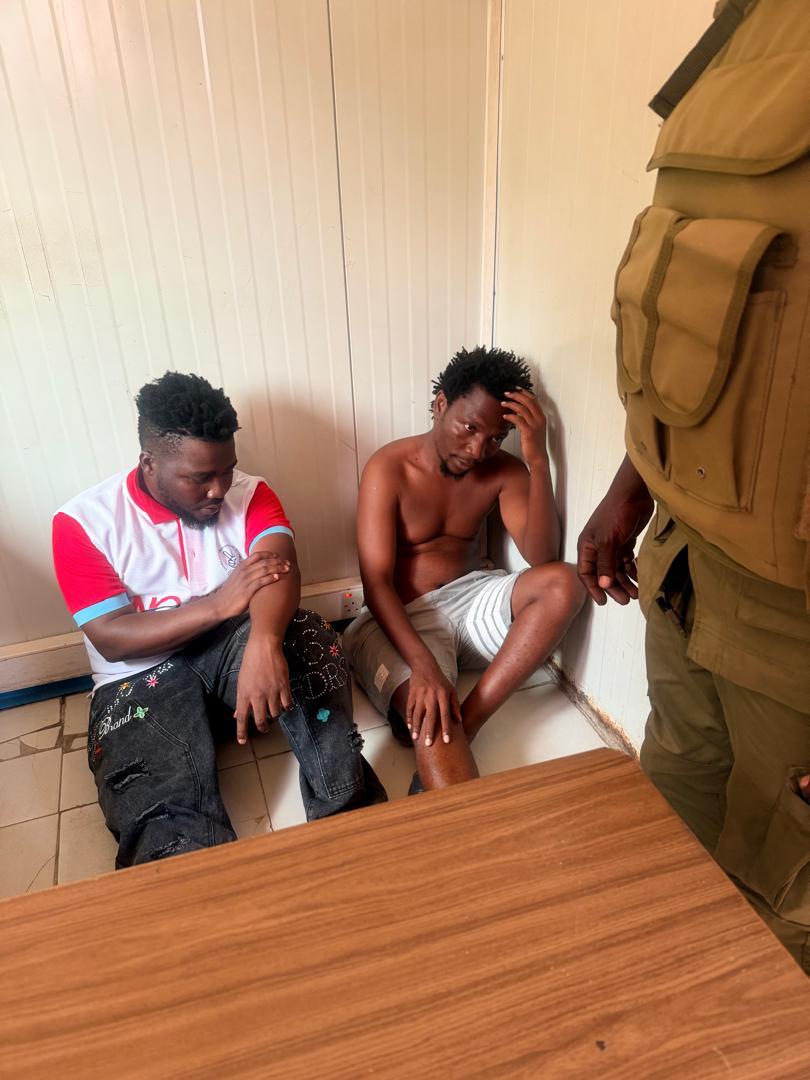
Beyond documented killings, one of the most chilling aspects of the post-election crisis has been reports of people detained and held at undisclosed locations.
Opposition activists, protesters and political supporters have been taken into custody without transparent judicial process, and families frequently do not know where detainees are being held.
Hundreds have been charged with treason, a capital offence in Tanzania, and arraigned in courts in Dar es Salaam and other cities.
Unknown numbers remain in detention without formal charges being publicly disclosed.
These secretive detentions have fuelled fears that ordinary citizens could be swept up arbitrarily.
For many, the lack of official transparency around arrests and prison locations has become as daunting as the violence itself.
Erosion of Civic Space
Observers say the crisis represents a major regression in a country once viewed as relatively stable.
Tanzania’s civic space has been shrinking for years, but the lead-up to the 2025 election saw an unprecedented contraction in basic political freedoms including freedom of expression, assembly and media plurality.
Internet blackouts further isolated communities and prevented real-time reporting from many affected areas, leaving relatives unable to communicate with detained friends and relatives or share information widely.
Contemplating Flight
The atmosphere of intimidation and insecurity has left many Tanzanians contemplating drastic steps.
In informal discussions, social media and private conversations, citizens talk of considering emigration, not for economic opportunity, but for personal safety.
“People are talking about leaving the country just to be safe,” said one resident in Mwanza, speaking on condition of anonymity.
“No one knows who is next.”
Many families with close ties to activists feel particularly vulnerable, fearing retaliation even for perceived associations.
Some have already moved relatives to neighbouring countries, while others are exploring refugee status abroad should the crisis worsen.
International Condemnation
The international response has been sharply critical.
Regional and global bodies, including the United Nations Human Rights Council, the African Union and numerous human rights organisations, have condemned Tanzania’s post-election crackdown.
They have called for independent investigations, respect for human rights and accountability for excessive use of force, arbitrary arrests and enforced disappearances.
In a joint statement, civil society groups urged UN member states to engage with Tanzania to “prevent further abuses” and press authorities to restore civic space and allow independent scrutiny of elections and detentions.
Several European nations withdrew election observation missions, citing concerns over the integrity of the process and the deteriorating democratic environment.
Government Stance
President Samia Suluhu Hassan has defended the election’s credibility and dismissed much of the criticism as foreign interference.
While pledging unity and national development, she has largely avoided acknowledging the scale of post-election violence or the reports of clandestine detentions, statements that critics say have deepened mistrust among the populace.
A Nation at a Crossroads
For many Tanzanians, the combination of violence, suppression of dissent and uncertainty about the future has left an indelible psychological scar.
“It’s not just about politics anymore,” said another resident in Dar es Salaam.
“It’s about whether we can sleep safely at night.”
As international pressure mounts and civic space continues to shrink, Tanzania now faces a profound test of its democratic institutions and social cohesion, and ordinary citizens are left to weigh whether remaining at home is worth the risk.
FOLLOW NAIROBI NEWS ON FACEBOOK