

The National Transport and Safety Authority (NTSA) has refused to reverse its tough stance on the use of Kenya Dealer (KD) number plates, even as vehicle dealers continue to protest what they describe as policies that are crippling their businesses.
The latest directive follows demonstrations by car dealers in Mombasa, Kenya’s main vehicle import hub, where traders took to the streets demanding that the transport regulator restore the previous system governing the use of KD plates.

The dealers argued that the new regulations have disrupted operations, delayed deliveries and negatively affected cash flow within the motor vehicle industry.
However, NTSA Director General Nashon Kondiwa has maintained that the authority will not return to the old system, insisting that the new measures are aimed at improving security and enhancing accountability in the transport sector.
Speaking during an interview with Citizen TV, Kondiwa noted that KD plates had been widely misused, making it difficult for authorities to trace vehicles involved in criminal activities.
“We are not going to the old system. This is a matter of security in terms of vehicle identity. KD plates are not unique. The car that has the KD plate cannot be used to identify the car,” he explained.
“What these dealers are asking is that we should open it so that any vehicle can use any KD plate and move, and that is the problem because if we had a security issue, we could not trace who used the plate.”
KD plates are temporary registration plates issued to licensed motor vehicle dealers to facilitate the movement of unregistered vehicles under specific circumstances, including test drives and transfers.
However, NTSA has in recent months tightened regulations governing their use after concerns emerged over widespread abuse of the system.
Under the revised framework, KD plates can only be used for legally approved purposes and by authorised individuals linked to the dealership.
The regulator has also insisted that vehicles using such plates must comply with stricter requirements, including adequate insurance coverage.
The protests by dealers were largely sparked by claims that the new rules have made it difficult to transport vehicles from the Port of Mombasa and Container Freight Stations to showrooms and customers. Industry players argue that the restrictions have increased operational costs and prolonged the time taken to complete vehicle deliveries.
Some dealers have also complained about delays in the issuance of standard registration plates and logbooks, saying the bottlenecks have worsened an already difficult business environment.
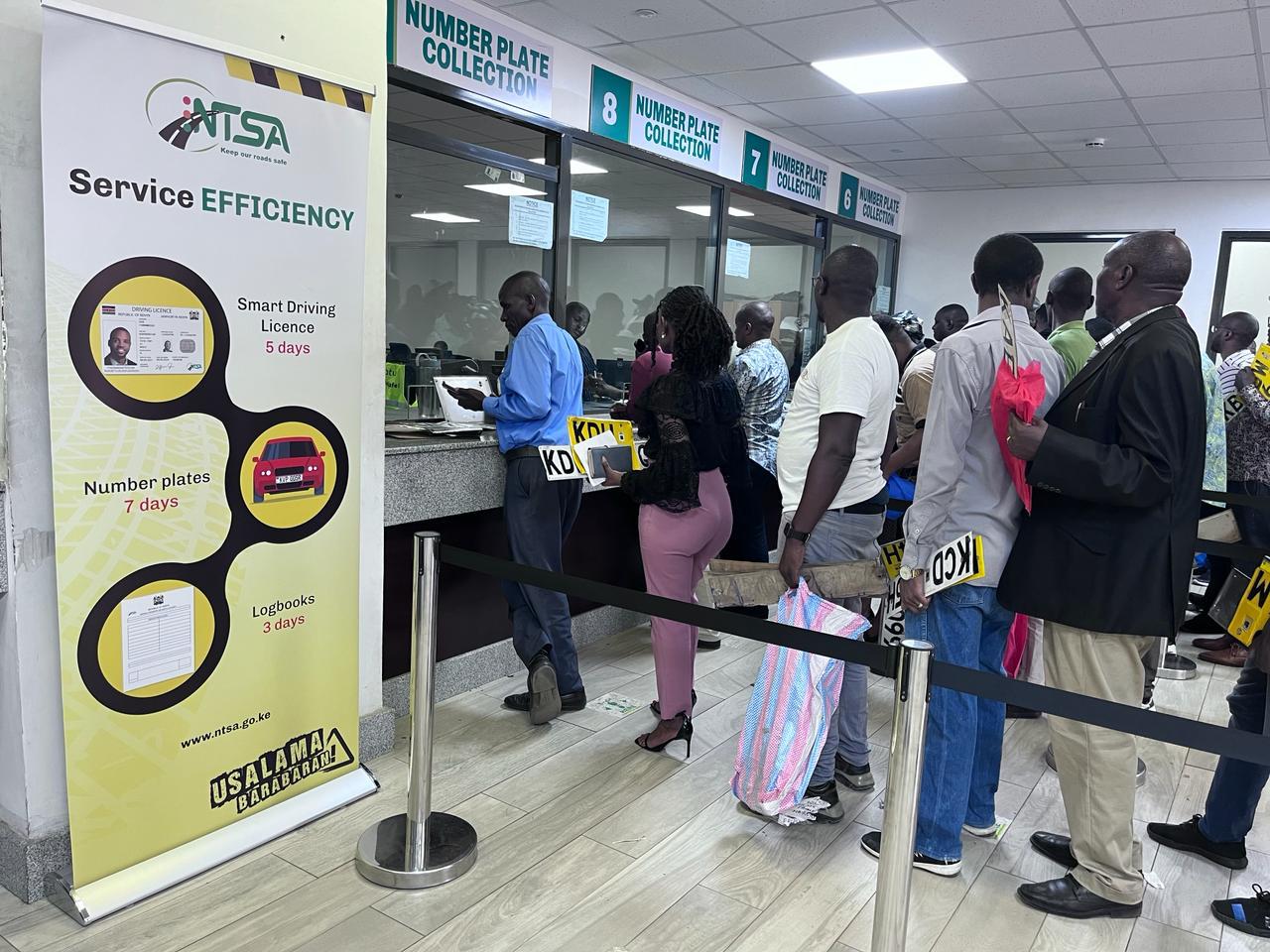
Kondiwa acknowledged that NTSA has been grappling with a significant backlog in the production of number plates.
According to the Director General, the authority inherited a backlog of more than 30,000 number plates that had already been paid for by Kenyans but had not been printed.
“As we speak, I have cleared 5,000 in three months, and this has impacted cash flows and the delays that we are currently experiencing, though we will sort it out within the next three days,” he said.
The standoff highlights the delicate balance that regulators must strike between enhancing public safety and ensuring ease of doing business.
While dealers insist that the measures threaten the smooth functioning of the automotive industry, NTSA argues that stronger controls are necessary to curb fraud, prevent vehicle-related crimes and improve traceability.
Earlier this year, the authority defended the KD plate guidelines, stating that the regulations are anchored in Section 24 of the Traffic Act and are intended to ensure that dealer licences are used only for their intended purposes.
Reports have linked the stricter enforcement to cases involving the misuse of dealer plates on vehicles outside the legally permitted scope.
As both sides hold their ground, thousands of motorists awaiting vehicle deliveries remain caught in the middle, hoping for a solution that addresses security concerns without bringing the country’s thriving motor vehicle trade to a standstill.
For now, NTSA has made one thing clear: the era of unrestricted use of KD plates is over.
FOLLOW NAIROBI NEWS ON FACEBOOK