
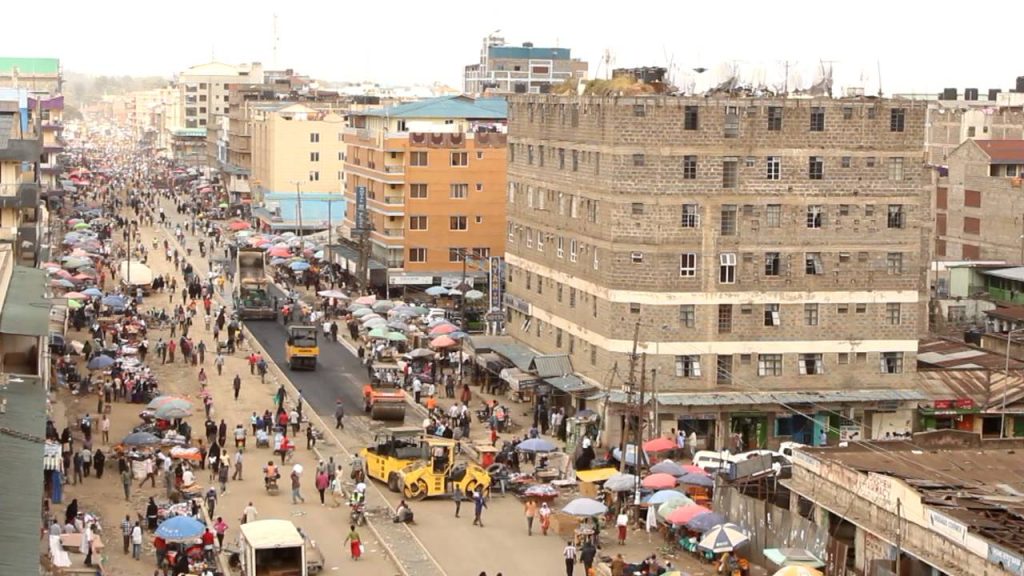
Eastleigh, a bustling district located in Nairobi, Kenya, has evolved into one of the most significant commercial centers in the country. Known for its vibrant economy, diverse population, and unmatched business opportunities, Eastleigh is often referred to as “Little Mogadishu” due to its large Somali-Kenyan and Somali expatriate population. Over the years, it has transformed from a modest residential area into a thriving business hub, attracting traders and investors from across East Africa and beyond.
A Historical Perspective on Eastleigh
Originally, Eastleigh was a residential neighborhood built during the colonial era, primarily for Asian and European settlers. However, after Kenya gained independence in 1963, the demographic composition changed significantly as Somali-Kenyans and other African communities began settling in the area. By the late 1980s and early 1990s, Somali refugees fleeing civil unrest in Somalia also found a home in Eastleigh, contributing to the rapid economic transformation of the area.
With their strong entrepreneurial culture, the Somali community turned Eastleigh into a thriving marketplace, developing it into a major commercial hub. What was once a quiet residential area soon became a bustling center of trade, attracting wholesalers and retailers from all over the country.
The Economic Powerhouse of Nairobi
Today, Eastleigh is one of the most economically active areas in Kenya, with a thriving retail and wholesale sector. The district is home to numerous shopping malls, wholesale markets, and small businesses that sell everything from clothes, shoes, and perfumes to electronics and household goods. Traders from different parts of East Africa flock to Eastleigh to buy goods in bulk, making it one of the largest informal business hubs in the region.
The presence of large shopping centers such as Eastleigh Mall, Amal Plaza, Sunrise Shopping Mall, and Bangkok Shopping Mall underscores its importance as a retail powerhouse. These malls stock imported goods from China, Dubai, Turkey, and India, making Eastleigh the go-to place for affordable and high-quality merchandise. The competitive prices offered by businesses in the area have positioned it as an alternative shopping destination to Nairobi’s Central Business District.
Beyond retail, Eastleigh has also witnessed growth in the hospitality and real estate sectors. The area boasts several high-end hotels such as Nomad Palace Hotel and Barakat Hotel, catering to business travelers and visitors from different parts of the world. The demand for commercial and residential space has also driven property development, leading to the construction of modern apartments, office spaces, and business premises.
The Cultural and Social Fabric of Eastleigh
One of the most remarkable aspects of Eastleigh is its rich cultural diversity. While the majority of the population is of Somali descent, the district is also home to other Kenyan communities, Ethiopians, and even Middle Eastern traders who have established businesses there. The presence of different cultures has influenced the food, fashion, and lifestyle of Eastleigh, making it one of the most unique neighborhoods in Nairobi.
Food is a major highlight of the area, with restaurants and eateries offering traditional Somali dishes such as camel meat, samosas, and spiced rice. Popular spots such as Al-Yusra Restaurant and City Star Restaurant attract food lovers looking to enjoy authentic Somali cuisine. The influence of Middle Eastern and Indian cultures is also evident in the variety of cuisines available, making Eastleigh a food lover’s paradise.
Religious institutions play a vital role in the social structure of Eastleigh. The area is home to several mosques, including the iconic Jamia Mosque Eastleigh and Riyadha Mosque, which serve the predominantly Muslim population. The strong sense of community among residents has fostered a unique environment where traditional values blend with modern business practices.
Challenges Facing Eastleigh
Despite its economic success, Eastleigh faces several challenges that hinder its full potential. One of the most pressing issues is infrastructure. The roads within the district are often congested, with traffic jams and poorly maintained streets making movement difficult for traders and shoppers. Flooding during the rainy season also poses a significant problem, as inadequate drainage systems lead to waterlogging in several parts of the area.
Security has also been a concern in Eastleigh, given its strategic importance as a commercial center. The area has, at times, been linked to criminal activities and security threats, prompting law enforcement agencies to increase surveillance. However, local business owners and community leaders have played a crucial role in ensuring that Eastleigh remains a safe environment for both residents and visitors.
Additionally, the informal nature of many businesses in Eastleigh presents regulatory challenges. Many traders operate without proper licenses, leading to conflicts with authorities over taxation and compliance with business regulations. Efforts have been made to formalize businesses and integrate them into the mainstream economy, but challenges remain in ensuring proper tax collection and adherence to trade policies.
Also Read: Hotels in Westlands, Nairobi
Despite these challenges, the future of Eastleigh looks promising. The area continues to attract investors and entrepreneurs, with new shopping malls and modern office spaces being developed to accommodate the growing demand for commercial space. The Nairobi Metropolitan Services (NMS) has also initiated efforts to improve roads, drainage systems, and waste management in the area, signaling a positive shift towards modernization.
E-commerce and digital payment solutions are also gaining traction in Eastleigh, with many traders embracing mobile banking and online transactions to facilitate trade. This shift towards technology is expected to enhance efficiency and further cement Eastleigh’s status as an economic powerhouse in the region.