
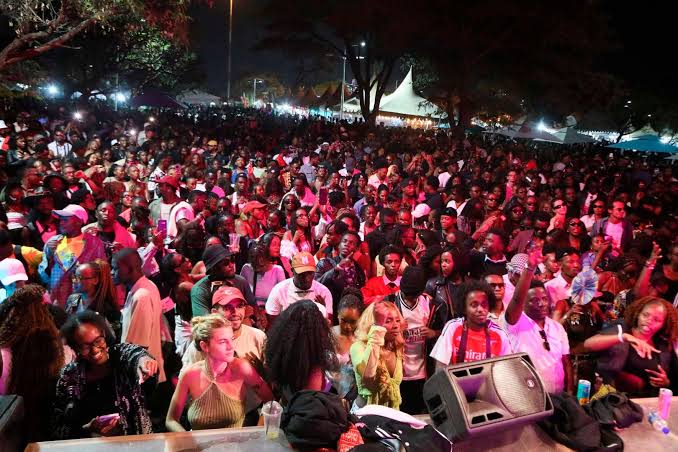
A major ruling by Kenya’s data regulator has put event organisers on notice after popular lifestyle brand Blankets & Wine was ordered to compensate a woman Sh300,000 for unlawfully using her image in promotional campaigns.
The decision, issued by the Office of the Data Protection Commissioner (ODPC), found that the organiser violated the Data Protection Act by featuring the complainant’s image in advertisements for the “Blankets & Wine Tupatane OnjaOnja Summer Events 2025” without her consent.
According to the determination, the woman argued that the unauthorised use of her photo falsely implied that she had endorsed the event.
She further stated that her likeness carries commercial value, and using it without permission not only exploited her image but also infringed on her right to privacy and control over personal data.
The ODPC agreed with her claims, noting that the image was used to promote attendance at a revenue-generating event, effectively making it a commercial use under Kenyan law.

This classification was key in establishing that explicit consent was required before her image could be used.
In its defence, Blankets & Wine maintained that attendees had agreed to terms and conditions that allowed such usage.
However, the Data Commissioner dismissed this argument, stating that the organiser failed to prove that the consent obtained was clear, informed, and specifically covered the use of the complainant’s image in promotional materials.
“The consent must be explicit and tailored to the intended use,” the ruling emphasised, reinforcing that generic or vague permissions do not meet the legal threshold under the Data Protection Act.
As a result, the regulator concluded that the processing of the woman’s image was unlawful and held the company liable, ordering it to pay Sh300,000 in damages.
The ruling sends a strong message to brands, event organisers, and marketers about the importance of respecting personal data rights, especially in the digital age where images are widely used for commercial gain.
Both parties now have the option to challenge the decision by filing an appeal at the High Court within 30 days.
This case is expected to set a precedent in Kenya’s growing data protection landscape, highlighting that personal images are not free marketing tools and that consent is not just a formality, but a legal requirement.
FOLLOW NAIROBI NEWS ON FACEBOOK

If you like our work, you can buy us a soda
Buy us a soda 🥤