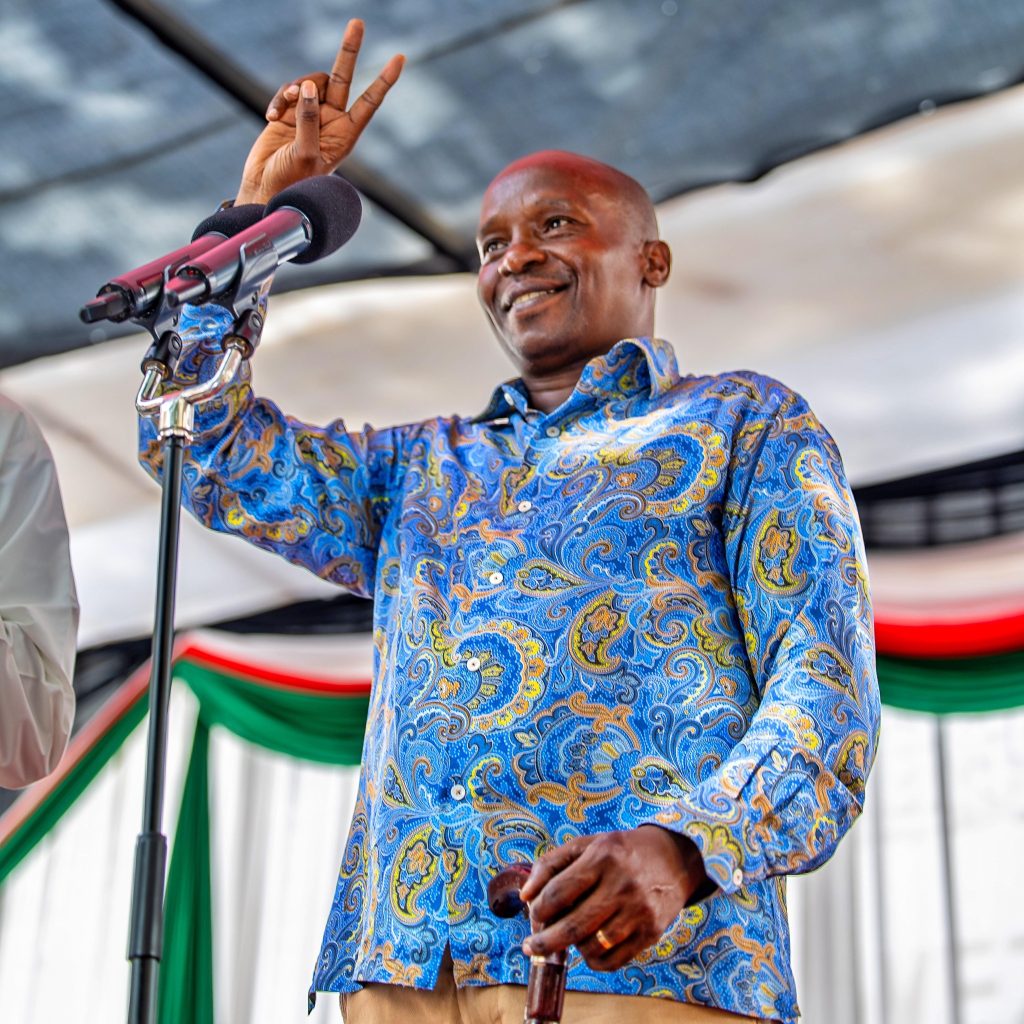
Deputy President Kithure Kindiki has urged for immediate dialogue between the government and the opposition as the country reels from another wave of deadly protests.
Speaking on Monday in Lamu, Kindiki emphasized that national unity and peaceful consultations are the only viable path to resolving Kenya’s growing political unrest.
“There are some people who are planning violence and demonstrations,” Kindiki said, “but I would like to say that everyone in Kenya, especially the leaders, should come together and find a way to solve the problems that the country is currently experiencing.”
His appeal comes on Saba Saba Day, a date deeply rooted in Kenya’s history of pro-democracy struggles.
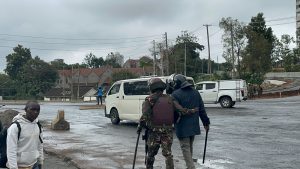
What began as peaceful protests today quickly escalated into violent clashes between demonstrators and police in several towns, including Kangemi, Ngong, Kitengela, and Kisii.
At least four people have been confirmed dead, two in Kangemi and two more in Ngong, while dozens more have been injured.
Medics reported that emergency response efforts were hampered by barricaded roads, leaving ambulances unable to access some of the wounded.
Kindiki, while acknowledging the constitutional right of citizens to protest, condemned the chaos that has increasingly marred the demonstrations in recent weeks.
“We will not allow the destruction of our country through violence endangering the lives of Kenyans,” he stated.
“I plead with you, fellow Kenyans, we cannot build this country through chaos, incitement, and violence; we must learn to resolve our problems through consultation, discussions, and other peaceful means.”
He further stressed that the government would not tolerate individuals or groups that incite or facilitate unrest, warning that such actions are undermining years of economic and political progress.
“For those Kenyans who have different views, they have the right to oppose,” he added.
“But they should do it the right way and peacefully, as per the Constitution. I know that you all agree with me that there is nothing more valuable in a country than peace and security.”
Kindiki’s call for calm and dialogue comes as political temperatures continue to rise. Opposition leaders and civil society groups have accused the Ruto administration of ignoring the plight of ordinary Kenyans amid rising living costs and governance concerns.
The Saba Saba demonstrations, organized to commemorate the 1990 protests that paved the way for multiparty democracy, have in recent years become a rallying point for public discontent with successive administrations.
Despite heavy security deployments across the country, protesters managed to breach police roadblocks in several towns, leading to violent confrontations and a growing death toll.
Social media footage from the scene shows tear gas, running battles, and multiple cases of alleged police brutality.
With pressure mounting from both within and outside government, Kindiki’s remarks may signal a softening stance within the Kenya Kwanza administration, which has previously taken a hardline position on public dissent.
His call for “consultation and peaceful engagement” has been welcomed by some observers as a necessary step toward national reconciliation.
However, critics argue that words must now be matched by concrete action—especially in addressing the root causes of the unrest and ensuring police accountability in the face of increasing reports of excessive force.
Collins Kibet, Grandson Of Former President Daniel Arap Moi, Sentenced To Jail

If you like our work, you can buy us a soda
Buy us a soda 🥤