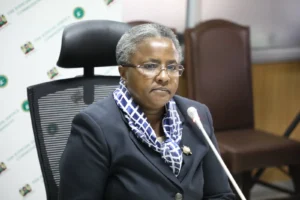

Ethics and Anti-Corruption Commission (EACC) Chairperson David Oginde has challenged media editors to shift election coverage from political personalities, alliances and campaign theatrics to scrutiny of candidates’ integrity, credentials and track records ahead of the 2027 General Election.
Oginde said the media had a critical role in shaping the country’s electoral discourse by ensuring Kenyans are equipped with credible information to assess those seeking public office, warning that political spectacle could overshadow issues of accountability, ethics and governance.
Speaking during the EACC-Kenya Editors Guild breakfast meeting at the 9th Annual Editors Convention in Mombasa on Thursday, Oginde said integrity should become a central consideration in the national conversation as the country approaches the 2027 polls.
He urged journalists to interrogate the conduct, qualifications and record of aspirants beyond their political alliances and campaign promises, insisting that leadership was a public trust governed by constitutional standards.
“Beyond campaign promises, political alliances and personalities, Kenyans should be asking some basic questions: What record does a candidate have? How have they handled public resources? Have they demonstrated honesty in their dealings? And do their actions reflect the standards expected of a person entrusted with public authority?” Oginde said.
He called for intensified investigative journalism into allegations of forged academic and professional certificates among individuals seeking elective positions, arguing that falsification of qualifications raised fundamental questions about honesty and suitability for leadership.
Oginde said the EACC would establish a mechanism to support media organisations with relevant integrity information on individuals seeking elective and appointive positions during the 2027 electoral period.
He, however, emphasised that the commission was not mandated to clear or bar candidates from contesting elections, but could provide integrity-related information to institutions responsible for making such determinations.
The EACC chairperson also warned against voter bribery, saying the practice undermines citizens’ freedom to make independent electoral choices and distorts democratic competition.
He urged journalists to educate voters on the long-term consequences of accepting money in exchange for votes, arguing that such transactions could compromise the quality of leadership and public service delivery.
Oginde further called on media organisations to scrutinise the use of public resources for political campaigns, warning that government vehicles, public funds, employees and official functions should not be used to advance individual political ambitions.
He reminded public officers of their obligation to remain politically neutral while in service, while those intending to contest elective positions should comply with the legal requirement to resign at least six months before the General Election.
The commission also raised concerns over the exploitation of young people during political campaigns, particularly their alleged recruitment to intimidate opponents, disrupt political meetings and engage in violence.
Oginde urged journalists to expose individuals sponsoring political violence while promoting peaceful and meaningful participation by young people in the electoral process.
He cautioned editors against giving inflammatory political statements an unchallenged platform, saying responsible editorial decisions should prioritise facts, evidence and the public interest without compromising coverage of controversial issues.
“Follow the money. Examine the use of public resources. Question unexplained wealth, questionable credentials and decisions that place private interests ahead of the public good,” he said.
He also urged newsrooms to sustain scrutiny of corruption investigations and accountability processes beyond initial reporting, helping the public understand how various institutions discharge their mandates.
Oginde stressed the importance of distinguishing between allegations, investigations and proven wrongdoing to safeguard both the public’s right to information and the rights of individuals facing allegations.
The meeting, held under the theme The Integrity Question: Leadership, Elections and the Place of the Media, brought together the EACC and members of the Kenya Editors Guild as part of efforts to strengthen collaboration in promoting ethical leadership, accountability and the fight against corruption ahead of the 2027 elections.
The EACC chairperson said the quality of leadership Kenyans elect would partly depend on the quality of information available to voters and the standards of integrity demanded of candidates.

If you like our work, you can buy us a soda
Buy us a soda 🥤