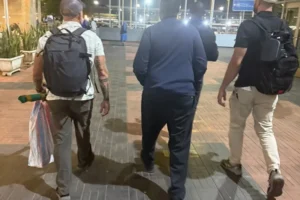

Kenya today achieved a significant victory in the fight against wildlife trafficking following the sentencing of four individuals involved in the illegal trade of live wildlife species.
Two Belgian nationals, Lornoy David and Seppe Lodewijckx Vietnamese citizen Duh Hung, and Kenyan national Dennis Ng’ang’a were convicted and sentenced at the JKIA Law Courts for violating the Wildlife Conservation and Management Act.
Case Details
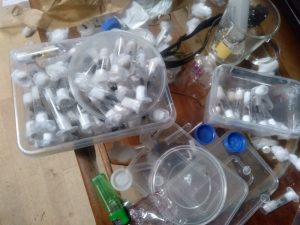
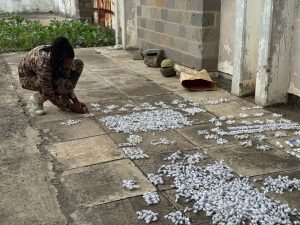
The accused were arrested on April 23, 2025, after attempting to traffic approximately 5,000 live Messor cephalotes (Garden Ants)with an estimated street value of Sh 1.2 million without the requisite permits.
The ants, a critical species in maintaining soil health and ecosystem balance, were intercepted by authorities at Jomo Kenyatta International Airport (JKIA).
The four pleaded guilty to charges of illegal possession and trade of live wildlife trophies.
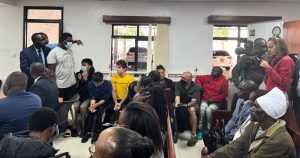
Senior Principal Magistrate Njeri Thuku delivered the verdict today, sentencing each offender to pay a fine of Sh 1 million or serve 12 months in prison if defaulted.
The Belgian nationals had been held at the anti-Terror Police Unit facility, while the Vietnamese and Kenyan suspects were detained at Langata Prison since their arrest.
In her ruling, Magistrate Thuku emphasized the gravity of wildlife crimes, quoting Kenya’s national anthem: Nchi yetu ya Kenya, tuwe tayari kuilinda” (“Our nation Kenya, let us be steadfast to protect her”).
She underscored the collective responsibility to safeguard Kenya’s biodiversity, stating, No species is too small to protect. “Our wildlife, from ants to elephants, sustains our ecosystems and national heritage.”
The Kenya Wildlife Service hails the ruling as a testament to Kenya’s zero-tolerance stance on wildlife trafficking.
This case sends a clear message: “Kenya will relentlessly pursue and prosecute anyone involved in the illegal wildlife trade, regardless of the species involved, said Traffickers often underestimate the ecological value of smaller species, but their role in our ecosystems is irreplaceable.”
The sentencing aligns with Kenya’s intensified efforts to combat wildlife trafficking, a crime threatening biodiversity and fueling transnational organized crime. KWS, in partnership with international agencies, continues to enhance surveillance at ports of entry and leverage technology to disrupt trafficking networks.

If you like our work, you can buy us a soda
Buy us a soda 🥤