

Supermarkets across several European countries have been hit by suspected cyberattacks targeting their refrigeration systems, leaving retailers facing significant food losses after hackers allegedly manipulated freezers temperatures remotely.
The incidents, reported on Monday, November 2, 2026, affected supermarket outlets in Belgium, Sweden and Luxembourg, with similar disruptions also reported in Estonia.
The attackers reportedly gained unauthorised access to computer systems controlling supermarket refrigerators and freezers before changing their temperature settings, with some equipment recording temperatures as high as 50 degrees Celsius.
The unusual incidents forced several supermarkets to remove fresh and frozen products from their shelves after concerns emerged that the food could no longer be guaranteed safe for consumption.
In Belgium, several branches of the Delhaize supermarket chain were among the affected outlets.
The retailer confirmed that an IT incident had disrupted refrigeration systems in several dozen stores, with reports indicating that approximately 40 branches experienced problems.
Delhaize spokesperson Sarah De Meester said the company had taken immediate measures to address the situation and minimise disruptions to its operations.
The incident affected the availability of fresh and frozen products in some branches, although the company’s distribution centres reportedly continued operating normally.
Other major retailers were also affected, including Carrefour Belgium, which reported refrigeration problems in approximately 15 of its more than 700 outlets.
The Spar supermarket chain also reported that five of its stores had experienced similar disruptions.
Sweden was another country affected by the suspected cyberattack, with supermarket chains ICA and Coop reporting problems involving their refrigeration equipment.
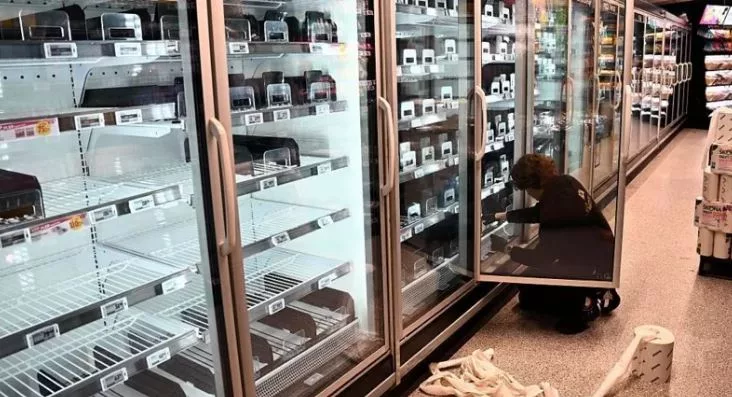
ICA confirmed that a limited number of its outlets had experienced disruptions after their refrigeration systems were reportedly accessed remotely.
One of the affected branches, ICA Kvantum in Sjöbo, southern Sweden, reportedly discovered that its refrigeration equipment had been manipulated, with temperatures rising to 50 degrees Celsius.
The situation forced the supermarket to remove affected products, while the outlet temporarily closed as staff worked to address the problem.
Meanwhile, Coop reported that six of its stores in central Sweden had experienced similar refrigeration difficulties.
The incidents raised concerns among retailers, particularly because they followed reports of similar attacks affecting supermarkets in other European countries.
In Estonia, refrigeration technology company Kitman Coldtech confirmed that one of its clients had experienced a cyber incident involving a computer system controlling refrigeration equipment.
According to reports by Estonian public broadcaster ERR, the attackers allegedly accessed the system and changed the freezer temperature to 50 degrees Celsius.
However, the incident was detected and addressed within minutes, preventing significant damage to the affected supermarket.
The Selver supermarket chain subsequently confirmed that one of its outlets had been affected.
The latest developments have also renewed attention on a major cyberattack that affected supermarkets in France in October 2026.
Several major retail chains, including Intermarché, Carrefour, E.Leclerc, Monoprix and Coopérative U, reported disruptions involving their refrigeration systems.
In that incident, attackers reportedly interfered with digital refrigeration controllers, causing temperatures in some freezers and cold-storage facilities to rise dramatically.
Some equipment reportedly recorded temperatures of up to 50 degrees Celsius, forcing affected supermarkets to dispose of large quantities of fresh and frozen products.
Individual retailers suffered considerable financial losses, with some outlets reporting damages running into tens of thousands of euros.
The incidents have highlighted growing cybersecurity concerns in the retail industry, particularly as supermarkets increasingly depend on internet-connected systems to manage their daily operations.
Modern refrigeration equipment often relies on digital controllers that allow employees and technicians to monitor temperatures, detect faults and make adjustments remotely.
Although the technology improves efficiency, poorly protected systems can create opportunities for cybercriminals to interfere with essential business operations.
A successful attack on refrigeration equipment can have serious consequences, especially for supermarkets handling perishable products such as meat, dairy products and frozen foods.
Unlike conventional cyberattacks targeting customer information or payment systems, the suspected incidents demonstrate how digital intrusions can cause physical and financial damage by interfering with equipment responsible for preserving essential goods.
Investigations are expected to establish how the attackers gained access to the affected systems, whether the incidents across the different countries were connected and who was responsible.
No group had publicly claimed responsibility for the reported incidents at the time of publication, and investigators had not established a confirmed link between the latest attacks and the earlier incident in France.
FOLLOW NAIROBI NEWS ON FACEBOOK

If you like our work, you can buy us a soda
Buy us a soda 🥤