
Ayatollah Ali Khamenei , the Supreme Leader of Iran and the country’s most powerful political and religious figure, has died at the age of 86, Iranian state media confirmed.
His death follows a series of unprecedented joint military airstrikes by the United States and Israel, targeting multiple strategic sites across Iran, including locations linked to the nation’s top leadership.
Khamenei had ruled Iran since 1989, becoming the central figure guiding the country’s domestic and foreign policies.
Known for his hardline stance toward the West, particularly the U.S. and Israel, he was instrumental in shaping Iran’s confrontational posture in the region for more than three decades.
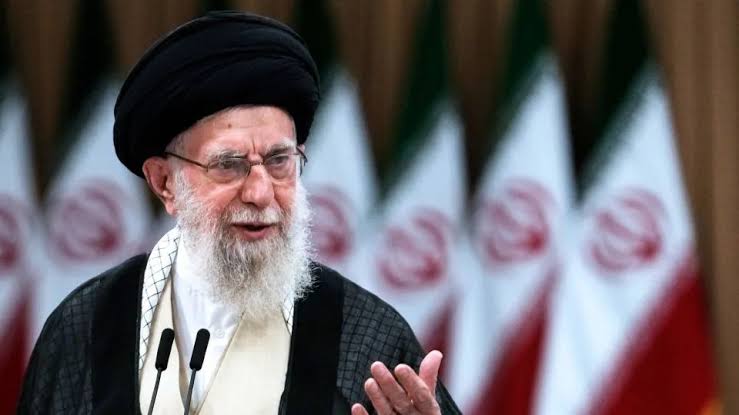
In response to his death, the Iranian government has declared a 40-day period of national mourning, a deeply symbolic tradition in Shi’a Islam, and several public holidays to mark the nation’s grief.
Streets in Tehran and other major cities saw citizens reacting with shock, uncertainty, and in some places, spontaneous gatherings.
Regional Tensions Escalate
The military strikes, which reportedly came after months of escalating tensions, have sparked one of the most dramatic escalations in the Middle East in years.
Iran has already retaliated with missile and drone attacks on U.S. and Israeli military bases in the region, and reports indicate ongoing clashes, with casualties mounting on both sides.
Global leaders have reacted swiftly: some condemning the strikes as a breach of international law and urging restraint, while others warned of a potential wider conflict.
Analysts are now watching closely, as this crisis could reshape alliances, security dynamics, and energy markets across the Middle East.
A Nation in Political Uncertainty
Khamenei’s sudden death has left no clear successor, plunging Iran into a political and constitutional crisis.
Speculation is rife about who will assume leadership, whether clerical elites, senior figures from the Islamic Revolutionary Guard Corps (IRGC), or a transitional council.
The uncertainty comes at a moment when Iran is already facing internal pressures and intense international scrutiny.
Experts warn that the coming weeks could define Iran’s future direction, with implications not just for the country, but for the entire region.
Governments, markets, and international organizations are bracing for potentially volatile developments, as Tehran navigates a sudden power vacuum amid heightened hostilities.
Stay tuned for live updates as the situation continues to unfold, with global eyes fixed on Iran’s next moves and the potential ripple effects across the Middle East.
FOLLOW NAIROBI NEWS ON FACEBOOK

If you like our work, you can buy us a soda
Buy us a soda 🥤