
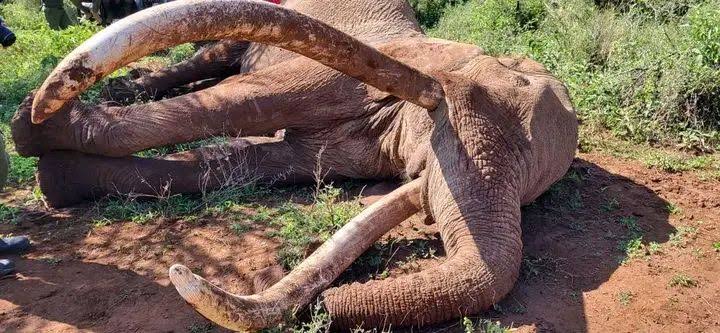
The Kenya Wildlife Service (KWS) has launched investigations into the mysterious deaths of 14 elephants discovered in and around the Amboseli ecosystem over a two-week period, raising alarm among conservationists, local leaders and wildlife enthusiasts.
The unexplained deaths have prompted KWS veterinary teams to collect samples from the carcasses and submit them to the Government Chemist for forensic analysis as authorities race to determine what killed the iconic animals.

According to KWS, the elephants were found in different locations on ranches surrounding Amboseli National Park, with some carcasses lying as far as 30 kilometres from the protected area.
The agency clarified that investigations are ongoing and urged the public to avoid speculation until laboratory results are released.
The incident has sparked widespread concern because Amboseli is globally renowned for hosting one of Africa’s best-known elephant populations.
The ecosystem supports hundreds of elephants that move freely between Kenya and Tanzania, making it one of the continent’s most important wildlife conservation landscapes.
Governor Lenku demands answers
Narok Governor Joseph Ole Lenku has called on KWS to expedite the investigations and make the findings public as soon as possible.
Expressing concern over the unusual deaths, Lenku noted that local communities have coexisted with elephants for decades and that such a large number of deaths within a short period is unprecedented.
The governor warned that if the cause is not identified quickly, more elephants could be at risk, potentially threatening one of Kenya’s most valuable wildlife populations.
Scientists await laboratory results
Wildlife experts say the laboratory analysis will help establish whether the elephants succumbed to disease, poisoning, environmental contaminants or another cause.
KWS has not ruled out any possibilities and maintains that only scientific tests will provide definitive answers.
The agency’s forensic capabilities have previously played a key role in investigating wildlife-related incidents and supporting conservation efforts.
Amboseli’s elephants are a global conservation treasure
Amboseli National Park is internationally celebrated for its free-ranging elephants, many of which have been monitored by researchers for decades.
The ecosystem attracts thousands of tourists every year and contributes significantly to Kenya’s tourism industry.
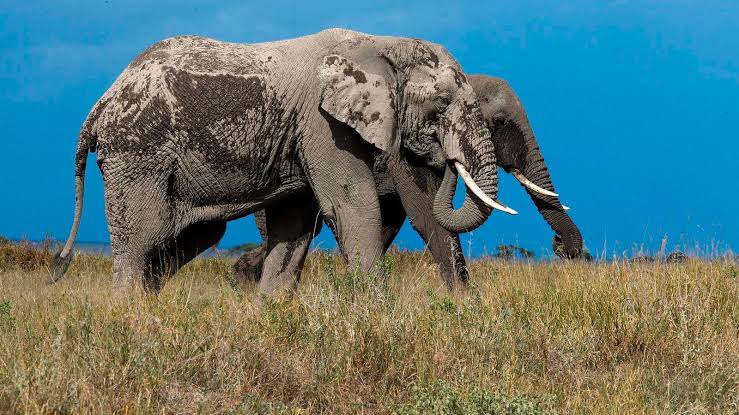
Conservationists have long worked with local communities to protect elephant migration corridors and reduce human-wildlife conflict in the wider Amboseli ecosystem.
KWS continues to invest in wildlife monitoring technologies, research and conservation initiatives aimed at safeguarding elephant populations.
As investigations continue, conservation groups and residents are anxiously awaiting the Government Chemist’s report, hoping it will reveal what caused the sudden deaths and guide measures to prevent further losses among Kenya’s treasured elephant population.
FOLLOW NAIROBI NEWS ON FACEBOOK

If you like our work, you can buy us a soda
Buy us a soda 🥤