

Kenya is a land of contrasts, offering diverse experiences across its major cities. Among them, Nairobi and Mombasa stand out as two of the most iconic. While Nairobi is the bustling capital often referred to as the “Green City in the Sun,” Mombasa is Kenya’s coastal gem, renowned for its white sandy beaches and Swahili culture. Choosing between living in Nairobi Vs. Mombasa depends on various factors, including lifestyle preferences, career aspirations, and climate tolerance.
Urban Vibes vs. Coastal Charm
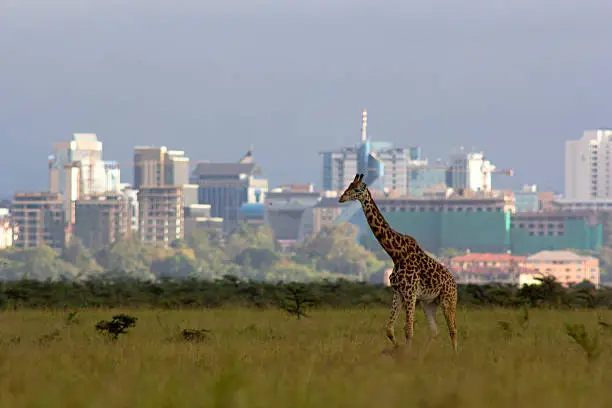
Nairobi pulsates with energy as the economic and political hub of Kenya. The city is a hive of activity, with skyscrapers dotting its skyline, busy streets, and a vibrant nightlife. It is ideal for those seeking a fast-paced urban lifestyle, filled with opportunities for work, networking, and socializing.
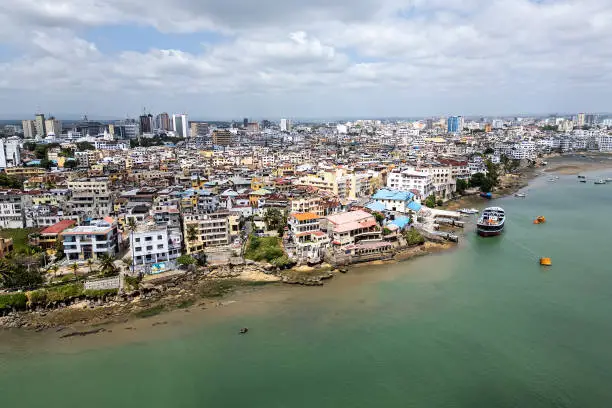
In contrast, Mombasa offers a more relaxed and laid-back atmosphere. Its charm lies in the calmness of coastal life, the rhythm of the ocean, and the deep cultural heritage embedded in its architecture and cuisine. Life here is slower and less hectic, perfect for those who prefer tranquility over the rush of city living.
Employment Opportunities
Nairobi is Kenya’s economic powerhouse, hosting major multinational corporations, government offices, and financial institutions. It attracts professionals from various sectors, including finance, technology, media, and education. Job seekers and entrepreneurs often flock to Nairobi for its numerous career opportunities and access to a wide network of professionals.
Mombasa, on the other hand, thrives on tourism, port-related activities, and trade. The city is a haven for hospitality professionals, artisans, and those involved in maritime commerce. However, its job market is relatively smaller compared to Nairobi, making it less attractive for those seeking opportunities in other industries.
Cost of Living
Living costs in Nairobi and Mombasa differ significantly, often influenced by the urban-rural dynamics and geographical location.
In Nairobi, housing is a major expense. Areas like Karen, Runda, and Kilimani offer luxurious options but come with hefty price tags, while more affordable housing is available in satellite towns such as Rongai and Kitengela. Transport costs can also add up, given Nairobi’s infamous traffic jams.
Mombasa’s cost of living is generally lower. Housing is more affordable, especially in neighborhoods like Tudor and Nyali. Transport is less chaotic compared to Nairobi, and the city’s compact size makes it easier to navigate. Additionally, fresh seafood and coastal produce contribute to a lower cost of food.
Climate
Nairobi’s climate is mild and temperate due to its high altitude. Residents enjoy cool mornings and evenings, with average temperatures ranging between 10°C and 25°C. The city also experiences two rainy seasons, making it lush and green for most of the year.
Mombasa boasts a tropical climate, characterized by high humidity and temperatures averaging 28°C to 32°C. While the coastal weather can be sweltering, the sea breeze provides some relief. For those who love warm weather and ocean views, Mombasa is paradise.
Culture and Lifestyle
Nairobi is a cultural melting pot, hosting people from all over the world. Its diversity is reflected in its array of restaurants, art galleries, and cultural festivals. From the Maasai Market to international events, the city offers endless entertainment options.
Also Read: Nairobi’s Thriving Startup Ecosystem
Mombasa, however, shines with its Swahili heritage. The city is steeped in history, with landmarks like Fort Jesus and Old Town narrating centuries-old tales. The coastal lifestyle revolves around communal living, vibrant Swahili cuisine, and frequent festivals celebrating traditional music and dance.
Accessibility
Nairobi’s central location makes it the gateway to the rest of the country. It is well-connected by air, road, and rail, making it convenient for both domestic and international travel. Its modern infrastructure, including the Jomo Kenyatta International Airport and the Nairobi Expressway, reflects its importance as a global city.
Mombasa, too, has its share of connectivity with the Standard Gauge Railway (SGR) and Moi International Airport. However, it’s primarily a destination rather than a hub, offering easier access to coastal towns and islands but requiring more effort to connect to inland cities.

Leisure and Recreation
In Nairobi, leisure often involves exploring parks like the Nairobi National Park or Karura Forest, visiting shopping malls, or dining at upscale restaurants. For adventure seekers, the nearby Ngong Hills and Mount Longonot offer exciting hiking experiences.
Mombasa’s recreational activities are more centered around its beaches, including Diani, Nyali, and Bamburi. Water sports, dhow cruises, and exploring marine parks provide endless fun. The nightlife is also vibrant, with beachside bars and clubs offering a unique coastal vibe.
Living in Nairobi or Mombasa boils down to personal preferences and priorities. Nairobi is perfect for those who thrive in a dynamic urban environment with abundant professional opportunities. Mombasa, on the other hand, offers a serene escape for individuals seeking a more relaxed lifestyle with cultural richness.

If you like our work, you can buy us a soda
Buy us a soda 🥤