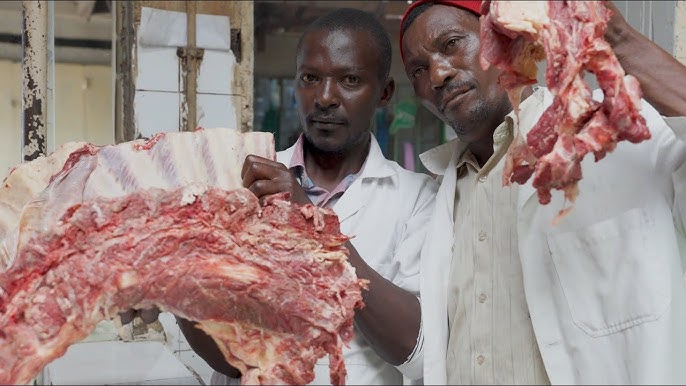
A health scare has gripped parts of Meru County after more than 100 residents were rushed to hospital following the consumption of contaminated beef, in what authorities have described as a preventable outbreak linked to unsafe meat handling.
The affected individuals, most of them from Igembe South, were admitted to Nyambene Level Four Hospital after eating meat from a cow later confirmed to have died from anthrax, a serious bacterial disease that can be transmitted from animals to humans.
Medical officials reported that at least 117 people sought treatment, with several presenting symptoms such as severe stomach pain, diarrhoea, and skin lesions.
Laboratory tests have already confirmed multiple anthrax cases among those admitted, while further testing is ongoing.
According to health authorities, the situation may worsen as more residents come forward for screening.
This is because the contaminated meat is believed to have been widely distributed and consumed over several days, increasing the number of potential exposures.
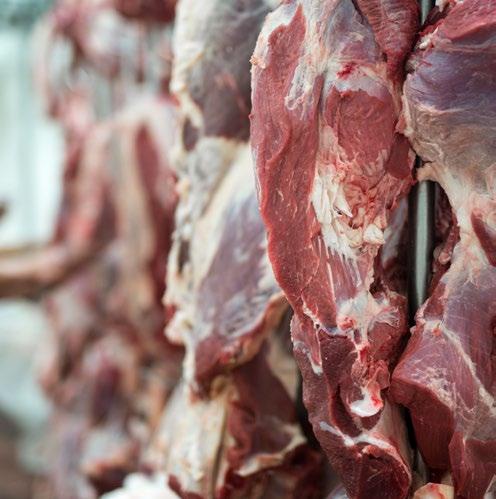
Investigations into the incident revealed a critical lapse in public health compliance.
Officials disclosed that the animal had already been declared unfit for consumption by a meat inspector.
However, instead of disposing of the carcass safely, it was reportedly sold and shared within the community.
Public health experts have since warned that such actions significantly heighten the risk of disease outbreaks.
Standard guidelines require that animals suspected of anthrax infection be either burned or buried deeply to prevent the bacteria from spreading.
Anthrax infections in humans can occur through handling infected animal products or consuming contaminated meat.
The disease can manifest in different forms, including cutaneous infections that affect the skin and gastrointestinal illness that can become severe if not treated early.
County health officials have launched contact tracing efforts to identify anyone who may have come into contact with the meat, urging residents to seek immediate medical attention if they experience symptoms.
They have also reiterated the importance of adhering to veterinary and public health advisories to prevent similar incidents.
The outbreak has once again highlighted recurring challenges in livestock management and food safety in parts of Kenya, where anthrax cases have been reported periodically.
Authorities are now calling for stricter enforcement of livestock vaccination and meat inspection regulations to safeguard public health.
Despite the alarming numbers, doctors say most patients are in stable condition and responding well to treatment, offering some reassurance as containment measures continue.
FOLLOW NAIROBI NEWS ON FACEBOOK