
Seven in 10 Kenyans believe they are not on track to achieve a comfortable retirement, with rising household expenses, irregular incomes and debt repayments undermining their ability to save, a new study has found.
The inaugural Sanlam Allianz Kenya Retirement Benchmark, released in Nairobi on Monday, found that despite widespread awareness of the importance of retirement planning, many Kenyans struggle to build and preserve savings for their later years.
The report, themed “Kenya Before It Ages,” identifies financial pressures, premature withdrawals and limited knowledge of retirement income planning as major obstacles to long-term financial security.
Household and family expenses were cited as the biggest barrier to saving by 44 per cent of respondents, followed by low or irregular income at 37 per cent and debt repayments at 24 per cent. Only four per cent attributed their inability to save to a lack of understanding or trust in retirement products.
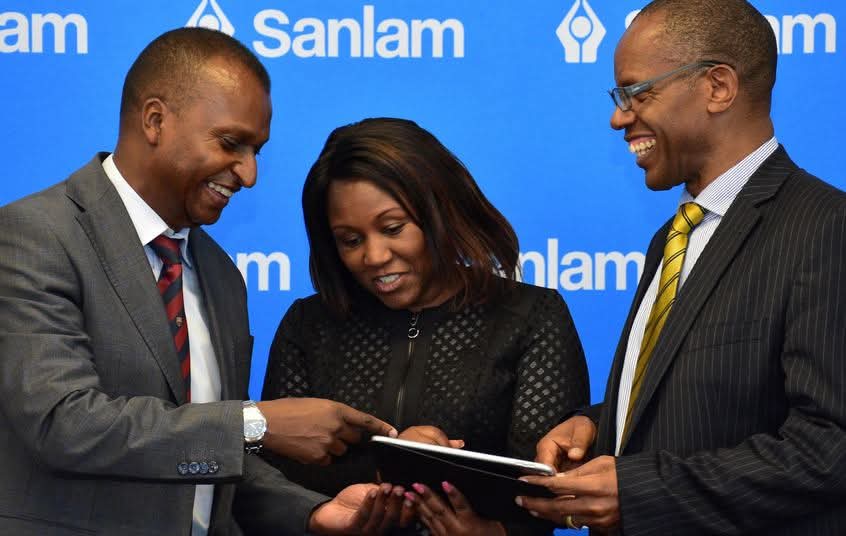
Sanlam Allianz Life Insurance (Kenya) Chief Executive Officer and Principal Officer Jacqueline Karasha said the country needed to shift its focus from expanding financial access to ensuring that participation translates into lasting financial security.
“Retirement should be a stage of life that offers dignity, independence and choice, not one where people are forced to scale back their ambitions,” Karasha said.
The study found that 62 per cent of respondents said supporting dependants reduced their ability to save, while 39 per cent could cover their basic household expenses for only two months or less if their income stopped.
Financial pressures also forced some Kenyans to sacrifice their long-term savings. About 23 per cent of respondents said they had dipped into their savings or reduced retirement contributions in the past year when money became tight. The proportion rose to 29 per cent among earners aged between 20 and 39.
Job changes expose retirement savings to withdrawals
The study also highlighted the challenges workers face in preserving retirement savings when they leave employment or close a business.
Among respondents who left a job or business while holding retirement savings, 53 per cent withdrew at least part of the money, while 26 per cent withdrew the entire amount. Only 32 per cent preserved or transferred their full savings.
About one-third of those who accessed their retirement funds used the money to start or support a business or farm.
Although 65 per cent said they understood the implications of withdrawing their savings at the time, 53 per cent later regretted the decision. One in five said they received no assistance when leaving their jobs.
Karasha said awareness alone was insufficient to protect retirement savings, calling for better guidance and solutions that reflect the financial realities facing workers.
“As an industry, we have a responsibility to make it easier for people to stay invested, provide relevant guidance when key decisions arise, and design solutions that reflect the realities of people’s lives,” she said.
Many savers lack clear retirement targets
The report found that many Kenyans are saving without a clear understanding of how much they will need in retirement or the income their accumulated funds can generate.
One in five working-age retirement contributors did not know how much they had saved, while only 29 per cent knew the monthly income they would require after leaving the workforce.
Additionally, 45 per cent had never heard of income drawdown, a mechanism that allows retirees to withdraw money from their retirement savings over time.
Despite the knowledge gap, 51 per cent of respondents said they wanted a guaranteed monthly income for life.
Medical expenses also emerged as a major concern, with 53 per cent reporting that they had no funded plan to meet healthcare costs after retirement.
The findings further showed that 88 per cent of respondents would continue working or running a business even if their retirement income was sufficient to meet their needs.
SanlamAllianz Investments Managing Director and Chief Executive Officer Jonathan Stichbury said retirement planning should focus on generating sustainable income rather than simply accumulating savings.
“Retirement security is ultimately not about the balance someone accumulates during their working years, but whether those savings can provide a reliable income throughout retirement,” Stichbury said.
Informal workers face additional challenges
The study also examined retirement preparedness amid Kenya’s changing labour market, where irregular earnings and informal employment complicate long-term financial planning.
According to the Kenya National Bureau of Statistics, Kenya’s economy grew by 4.6 per cent in 2025, while the informal sector accounted for 87.2 per cent of new jobs created during the year.
Among working respondents surveyed, 39 per cent said their earnings fluctuated from month to month. Meanwhile, 51 per cent of informal workers expressed a preference for making retirement contributions through mobile money.
The findings point to the need for flexible savings arrangements that accommodate workers without regular salaries or formal employer-sponsored retirement schemes.
However, greater reliance on digital financial services also exposes savers to fraud.
The study found that 45 per cent of respondents had lost money or personal information through a digital financial scam. The proportion increased to 54 per cent among younger respondents.
A trusted financial provider or regulator ranked among the leading features respondents wanted in a retirement product, highlighting the importance of consumer protection and confidence in the financial system.
Sanlam Allianz Kenya Group Chief Executive Officer Nyamemba Patrick Tumbo said Kenya had an opportunity to strengthen retirement preparedness while its population remained relatively young.
“As a relatively young country, we have an opportunity to strengthen retirement preparedness before demographic pressures become more pronounced,” Tumbo said.
He said the annual benchmark would help measure progress, stimulate public discussion and inform decisions aimed at improving retirement outcomes for future generations.
Sanlam Allianz said it would repeat the study annually to track changes in retirement preparedness and assess progress in addressing the challenges identified in the inaugural report.

If you like our work, you can buy us a soda
Buy us a soda 🥤