
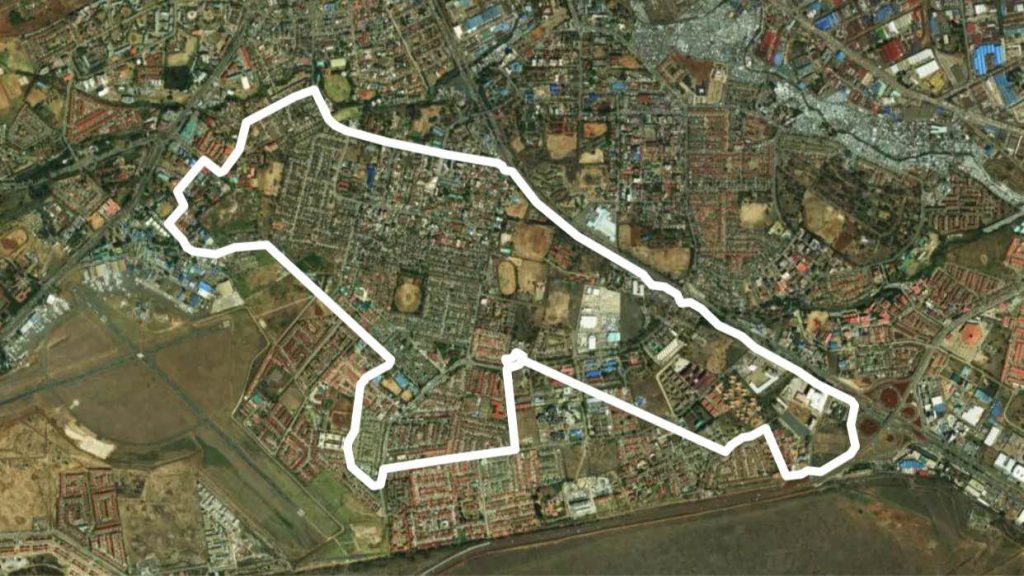
South C is one of Nairobi’s most vibrant and well-established neighborhoods, located just a few kilometers from the central business district. This middle-class suburb is known for its strategic location, excellent infrastructure, and diverse community. Over the years, South C has evolved into a preferred residential and commercial area, attracting families, professionals, and businesses looking for convenience and accessibility.
Location
South C is situated along Mombasa Road, one of Nairobi’s major highways, making it easily accessible from various parts of the city. It is bordered by Lang’ata to the west, Wilson Airport to the north, and Nairobi National Park to the south, offering residents a unique blend of urban living and proximity to nature. The area is well connected by an extensive road network, with key routes such as Popo Road and Muhoho Avenue providing easy access to different sections of the neighborhood.
Public transport is readily available, with matatus and buses serving the area throughout the day. The proximity to key transport hubs, including the Nairobi Terminus for the Standard Gauge Railway (SGR) and Jomo Kenyatta International Airport, further enhances South C’s appeal as a convenient location for both residents and businesses.
Residential and Commercial Landscape
South C is known for its mix of residential developments, ranging from standalone houses and gated communities to modern apartment complexes. The area is popular among middle-income and upper-middle-class residents who appreciate its relatively peaceful environment, security, and availability of social amenities.
In recent years, the suburb has witnessed significant commercial growth, with shopping centers, office buildings, and recreational facilities mushrooming across the neighborhood. Notable commercial establishments include the Red Cross Mall, Nextgen Mall, and Capital Centre, which provide a wide range of retail, banking, and dining options. The presence of hotels and conference facilities has also made South C a preferred location for business travelers and corporate events.
Educational and Religious Institutions
The neighborhood is home to several reputable schools, making it an attractive residential area for families with school-going children. Institutions such as Nairobi Muslim Academy, Shree Cutchi Leva Patel School, and KPA Primary School offer quality education, catering to diverse academic needs. The presence of international schools and colleges further enriches the educational landscape of South C.
Religious diversity is a defining feature of South C, with places of worship catering to different faiths. Mosques, churches, and temples are spread across the area, serving the spiritual needs of the multicultural community. Notable religious institutions include the South C Mosque, Nairobi Pentecostal Church South C, and the Hindu Sanatan Mandir.
Recreation and Entertainment
South C offers a variety of recreational and entertainment options, making it a lively neighborhood for residents and visitors alike. The area is dotted with restaurants, sports clubs, and entertainment joints that cater to different tastes and preferences. Popular hangout spots include The Carnivore Restaurant, known for its unique meat delicacies, and various lounges and bars that provide nightlife experiences.
Also Read: Karen Blixen Cottages: A Tranquil Retreat in Nairobi
For fitness enthusiasts, the neighborhood boasts several gyms, sports facilities, and parks. Strathmore University Sports Complex and Nairobi West Prison Grounds are commonly used for sporting activities, while Nairobi National Park, located a short distance away, provides an ideal escape for nature lovers looking to experience Kenya’s wildlife without leaving the city.
Security and Community Living
South C is generally considered a safe neighborhood, thanks to the presence of active security measures, including private guards and community policing initiatives. The area’s residents actively engage in neighborhood associations, ensuring that security concerns are addressed promptly.
The community is diverse, consisting of people from different backgrounds and nationalities. This diversity is reflected in the variety of cultural events, social gatherings, and festivals held within the neighborhood, fostering a sense of unity and inclusivity.

If you like our work, you can buy us a soda
Buy us a soda 🥤