
For years, artists in Kenya’s Gengetone and Urbantone scenes have voiced frustration over what they describe as deeply unfair pay structures and limited revenue from their music.
Despite producing chart-topping hits and dominating the local airwaves, many of these creatives have repeatedly claimed that they earn little to nothing from their work due to exploitative contracts, poor royalty systems, and lack of proper legal representation.
Numerous pleas from the artists have, for the longest time, fallen on deaf ears. Industry stakeholders and authorities were often accused of neglecting the fast-growing genres, leaving many performers struggling to sustain their careers despite their popularity.
The situation has seen some artists fade from the spotlight as financial challenges mounted.
However, a new chapter may be unfolding following intervention from President William Ruto.
The Head of State has stepped in to support the artists, signaling a potential turning point in the fight for fair compensation within the creative industry.
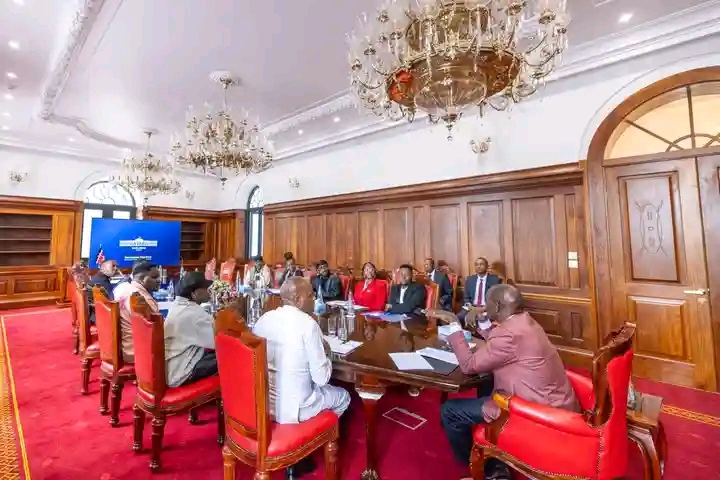
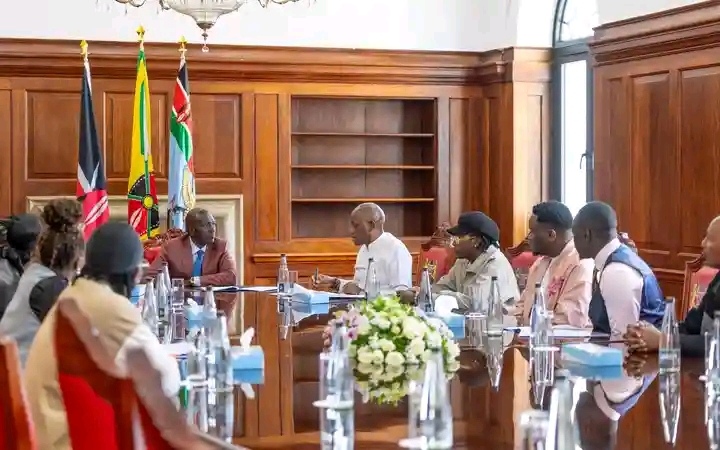
On Wednesday, April 1, President Ruto hosted a group of Gengetone and Urbantone artists at State House in Nairobi.
The meeting brought together key players from the genres to deliberate on a wide range of issues affecting their livelihoods.
Central to the discussions were concerns about revenue sharing, copyright protection, and the need for structured legal support to safeguard artists’ interests.
During the engagement, the artists openly shared their experiences, highlighting how a lack of legal knowledge and proper contracts has left many vulnerable to exploitation.
In response, Ruto pledged to facilitate legal assistance aimed at empowering the musicians to negotiate better deals and secure rightful earnings from their work.
In a Facebook post shared after the meeting, President Ruto underscored the importance of protecting Kenyan creatives and ensuring they benefit from their talent.
He noted that Gengetone and Urbantone artists are key drivers of youth culture and deserve fair compensation, adding that his administration is committed to strengthening legal frameworks to support them.
He further emphasised the need for collaboration between government agencies and industry stakeholders to streamline royalty collection and enforcement.
“I met Gengetone and Urbantone artistes, who shared deeply troubling experiences regarding the loss of rights to their music due to questionable contracts with foreign entities.
They have lost over 700 songs, including ‘Sipangwingwi’, the song by Exray that powered our conversations in 2022.
It is regrettable that our young creatives continue to face exploitation despite their immense talent and contribution to our cultural identity.
I have facilitated legal support to ensure they are adequately represented in court, and we have agreed on practical measures to safeguard their interests and ensure they receive fair reward for their work.
I have also asked the National Assembly, through the Majority Leader, to fast-track the Creative Economy Bill 2026 alongside critical copyright reforms. These measures are necessary to protect our artistes, strengthen intellectual property rights, and secure the future of Kenya’s creative economy.
I also informed them that Government has established a digital portal on e-Citizen to aid royalty collection and distribution,” Ruto wrote.
The president’s intervention has been welcomed by many within the creative sector, who view it as long-overdue recognition of Gengetone and Urbantone as significant contributors to Kenya’s cultural and economic landscape.
Observers say the move could also pave the way for broader reforms in the music industry, including improved royalty collection systems and enforcement of intellectual property rights.
As the conversation continues, artists remain hopeful that the promises made will translate into tangible change, ensuring that the voices that have defined a generation are finally rewarded fairly for their creativity.
FOLLOW NAIROBI NEWS ON FACEBOOK

If you like our work, you can buy us a soda
Buy us a soda 🥤