
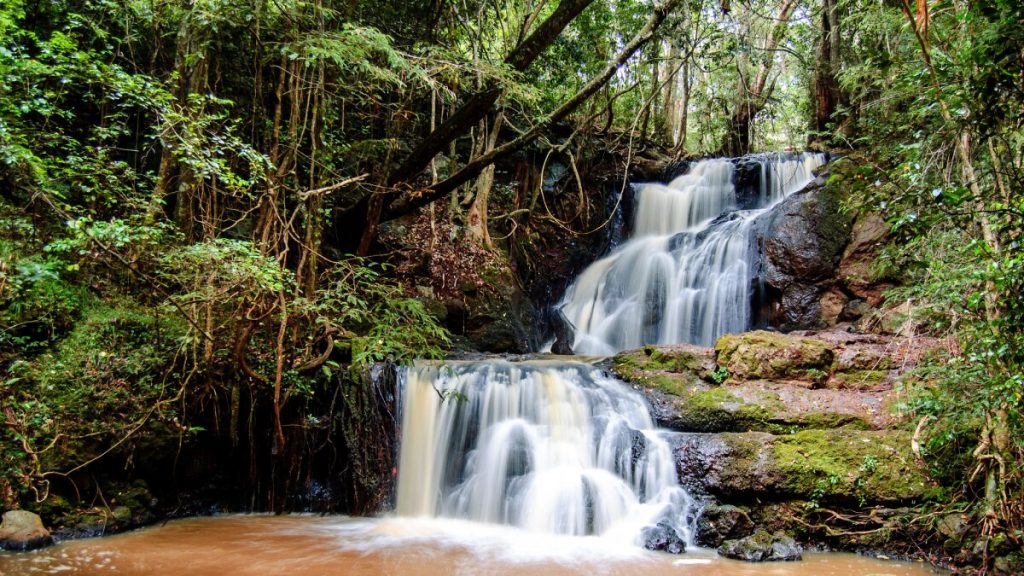
Karura Forest is one of Nairobi’s most treasured natural landscapes, offering a serene escape from the city’s fast-paced environment. Spanning over 1,000 hectares, this urban forest is one of the largest in the world, providing a haven for nature lovers, fitness enthusiasts, and conservationists. Located just a few kilometers from Nairobi’s central business district, Karura Forest is a popular destination for both locals and tourists seeking outdoor adventure, fresh air, and a glimpse into Kenya’s diverse flora and fauna.
Conservation Efforts
Karura Forest has a significant history in Kenya’s environmental conservation efforts. In the 1990s, the forest was under threat from land grabbers who sought to turn sections of it into private property. The late environmentalist and Nobel Laureate, Professor Wangari Maathai, played a critical role in advocating for its protection. Her relentless activism helped preserve Karura as a public green space, ensuring that future generations could enjoy its beauty. Today, the Kenya Forest Service, in partnership with conservation groups, continues to protect and maintain the forest as a vital part of Nairobi’s ecosystem.
A Natural Paradise for Outdoor Activities
Karura Forest offers visitors an opportunity to engage in various outdoor activities while surrounded by lush greenery and diverse wildlife. The forest has well-maintained trails stretching over 50 kilometers, making it an ideal location for walking, jogging, and cycling. These trails take visitors through a picturesque landscape filled with indigenous trees, bamboo groves, and open fields. Cyclists can rent bikes at designated areas, while nature enthusiasts can enjoy birdwatching, with numerous species inhabiting the forest.
One of the most captivating features of Karura Forest is the stunning 15-meter waterfall, which provides a scenic spot for relaxation and photography. The tranquil atmosphere, combined with the soothing sound of flowing water, makes it a perfect place to unwind. The caves within the forest also hold historical and cultural significance, as they were once used as hideouts during the Mau Mau resistance against colonial rule. Exploring these caves offers a glimpse into Kenya’s past and the struggles for independence.
Wildlife and Biodiversity
Karura Forest is home to a variety of wildlife species that thrive within its protected environment. Visitors may spot monkeys swinging from trees, dik-diks darting through the undergrowth, and porcupines foraging in the bushes. The forest is also home to over 200 species of birds, making it a birdwatcher’s paradise. Butterflies, reptiles, and insects contribute to the ecosystem’s richness, ensuring that Karura remains a biodiversity hotspot within the city.
A Safe and Family-Friendly Destination
Karura Forest is a safe and well-managed destination, with designated entry points, security patrols, and clear signage throughout the trails. Families with children can enjoy picnicking in designated areas, where benches and open spaces provide a comfortable setting for relaxation. There is also a designated dog-walking section, making it a pet-friendly location for responsible pet owners.
Also Read: Finding Cheap Flights to Nairobi, Kenya
For those seeking a place to unwind after their nature walks, the forest has a café offering refreshments, including fresh juices, coffee, and snacks. Visitors can relax while enjoying the peaceful ambiance and scenic surroundings. The forest also hosts occasional events such as yoga sessions, guided nature walks, and environmental education programs, making it an engaging destination for the community.
Accessibility
Karura Forest Nairobi is easily accessible from different parts of Nairobi, with main entry points at Limuru Road, Kiambu Road, and the United Nations Avenue. The entry fees are affordable, ensuring that the forest remains open to people from all walks of life. Visitors can pay at the gate or use digital payment options, making access convenient.
