
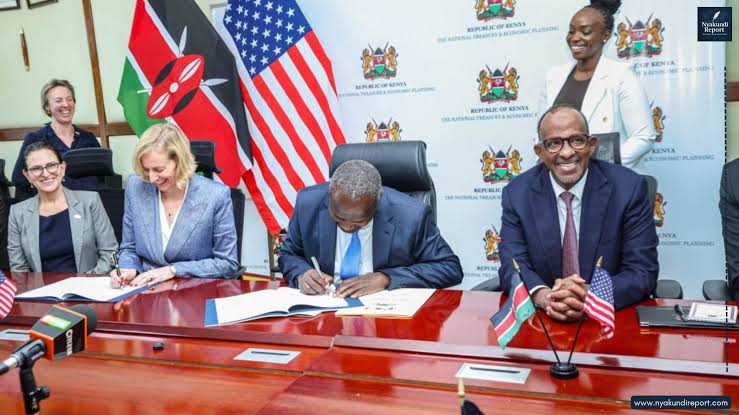
The United States has committed Sh208 billion (approximately $1.6 billion) to Kenya ‘s health sector under a five-year partnership that the government says will revolutionise healthcare delivery.
However, even as officials celebrate the massive funding, the agreement has once again ignited debate over Kenya ‘s dependence on foreign donors and the long-term implications of the deal.
The funding will support critical areas of Kenya’s health system, including disease surveillance, laboratory upgrades, supply of essential medicines, frontline healthcare workers and the expansion of digital health systems.
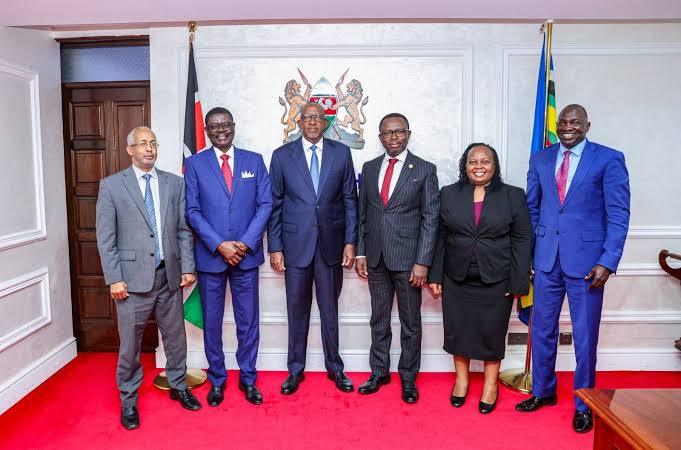
The programme is expected to run until 2030 and marks one of the biggest health cooperation agreements ever signed between Kenya and the United States.
According to the Kenyan government, the partnership is designed to strengthen the country’s ability to detect and respond to disease outbreaks while improving access to quality healthcare across all 47 counties.
President William Ruto has previously hailed the agreement as a major milestone in Kenya’s journey toward achieving Universal Health Coverage (UHC), saying the investment will modernise hospitals, improve the supply of medical commodities and strengthen the country’s emergency preparedness.
Unlike previous donor-funded programmes that channelled billions through NGOs and international agencies, the new framework will reportedly direct much of the funding straight to Kenyan government institutions.
Officials argue that this approach will enhance accountability and ensure more resources reach public health facilities.
The investment comes at a crucial time when Kenya’s health sector has faced significant funding gaps following changes in global donor priorities and the restructuring of USAID-supported programmes.
Health experts say the additional resources could help maintain HIV/AIDS, tuberculosis and malaria programmes while strengthening laboratory capacity and disease monitoring systems.
However, not everyone is convinced.
Critics have questioned whether Kenya could become overly reliant on external financing despite the government’s push for self-reliance.
Others have argued that donor-backed agreements should be subjected to greater public scrutiny, particularly where they involve long-term financial commitments and health data governance.
Civil society organisations and some political leaders have previously raised concerns over issues such as parliamentary oversight, data protection and the extent of Kenya’s obligations under the agreement.
While the government maintains that the framework complies with Kenyan laws and will benefit millions of citizens, critics insist transparency must remain a priority.
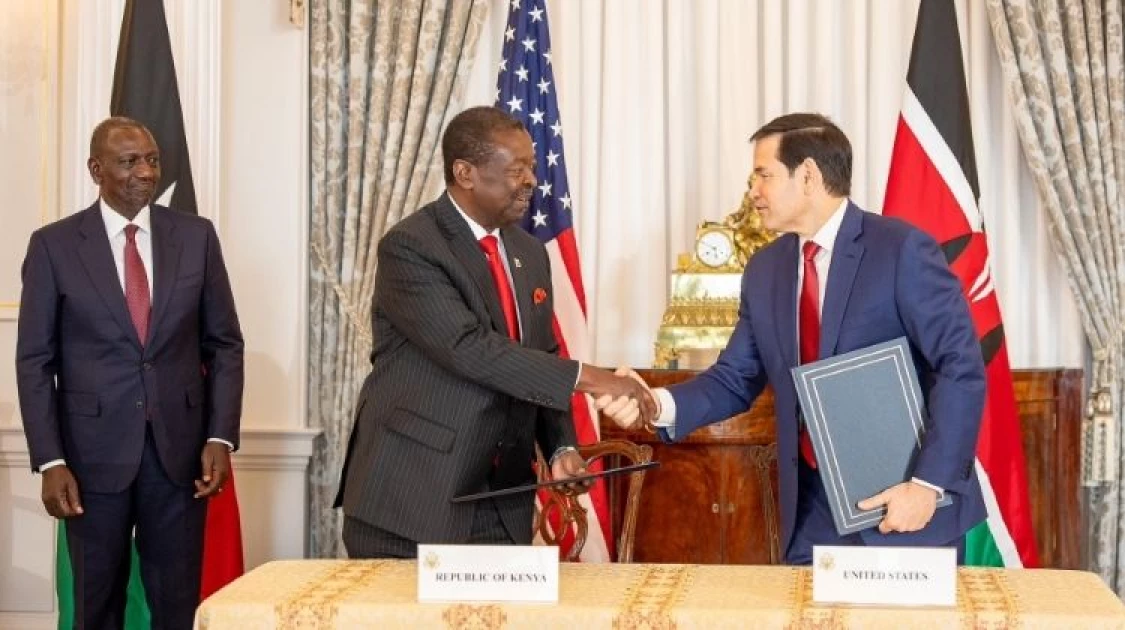
The United States has described Kenya as a strategic health partner in Africa, noting that the funding will not only support treatment programmes but also build a stronger, more resilient healthcare system capable of responding to future pandemics and public health emergencies.
If successfully implemented, the Sh208 billion programme could transform Kenya’s healthcare landscape by improving hospital infrastructure, expanding the health workforce, enhancing disease surveillance and strengthening digital health services.
At the same time, the agreement is likely to remain under close public scrutiny as Kenyans continue debating the balance between much-needed foreign support and national sovereignty over key public services.
FOLLOW NAIROBI NEWS ON FACEBOOK