
In a transformative chapter for Kenya’s agricultural landscape, the once-underutilized Galana-Kulalu region is swiftly emerging as the nation’s breadbasket.
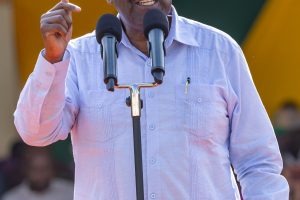
Spearheaded by President William Samoei Ruto under the Bottom-Up Economic Transformation Agenda (BETA), the Galana-Kulalu Food Security Project is gaining momentum, bringing tangible improvements in food production, job creation, and infrastructure development.
Following a bold presidential directive in January 2023, the project was relaunched using a Public-Private Partnership (PPP) model.
This approach has breathed new life into the previously stalled initiative and set the stage for rapid, large-scale agricultural transformation.
Now divided into three strategic phases, the Galana-Kulalu initiative is redefining Kenya’s coastal region as a thriving center for irrigation-based farming.
Three-Phase Masterplan Taking Root
In Phase One, 20,000 acres have already been earmarked and developed for immediate food production.
Phase Two focuses on the construction of the massive Galana Dam, with a planned capacity of 300 million cubic metres, alongside an advanced canal system.
Phase Three will see the opening of an additional 200,000 acres within the Galana-Kulalu ranch, laying the foundation for a sustainable, self-sufficient agricultural ecosystem. These developments are already bearing fruit both literally and figuratively.
Water Turns the Desert Green
A key component of the project is its water infrastructure. Intake works on River Galana are now complete, and a robust canal and pumping system is operational.
Seven high-capacity pumps are currently in use, with seven more on the way, enabling efficient water delivery throughout the farming area.

The arid land has been transformed into irrigated farmland, thanks to gravity-fed canals, expertly constructed gabion walls, and extensive storage reservoirs.
This infrastructure now supports year-round, climate-smart agriculture in a region long overlooked for its potential.
First Harvests & National Impact
June 2025 marked the beginning of the first plantation phase under the PPP model, with an emphasis on grain particularly seed maize.
This focus is designed to boost high-quality yields and strengthen Kenya’s national seed multiplication efforts.

The expected outcomes are significant: hundreds of thousands of bags of maize annually, a projected 40% reduction in maize imports, and a new avenue for food and animal feed exports.
These achievements reflect not only food security gains but also economic resilience.
Jobs, Connectivity, and a Brighter Future
The project’s impact extends beyond agriculture. Already, hundreds of jobs have been created across farming, construction, and infrastructure sectors.
As the initiative expands, even more employment opportunities are anticipated in agro-processing, logistics, and support services. Infrastructure growth is keeping pace, too.
The Galana-Kulalu Bridge under construction since January 2025 is now 61% complete. Once finished, it will significantly enhance access to the area, lowering transportation costs and boosting productivity.
Kenya’s Agricultural Future is Growing in Galana-Kulalu
What was once a dry, underdeveloped region is now a beacon of innovation and transformation.
Guided by President Ruto’s vision and the strategic direction of BETA, Galana-Kulalu is no longer merely a project it is a vital national asset.
With secure food systems, job creation, and regional development taking root, Galana-Kulalu stands as a powerful symbol of what is possible through bold leadership and strategic investment.