
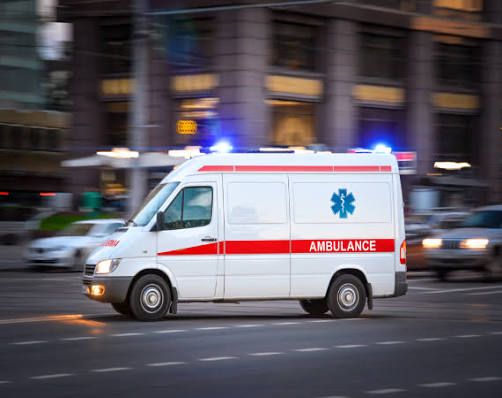
Kenyans will soon benefit from free ambulance services and emergency medical treatment for the first 24 hours under a new initiative by the Social Health Authority (SHA).
The move marks a major step forward in improving access to critical healthcare services across the country.
SHA Chief Executive Officer Mercy Mwangangi announced the plan during a press briefing, revealing that the authority is in the process of setting up a National Ambulance Dispatch Center to coordinate emergency responses nationwide.
Once operational, the system will allow the public to call a dedicated emergency number, enabling real-time location tracking and faster ambulance dispatch to the scene.
“Yes, SHA will be free for 24 hours for all Kenyans,” Mwangangi confirmed. “However, after the initial 24 hours, there are two different pathways depending on your insurance status.”
What the Plan Covers
- Ambulance Evacuation: SHA will cover up to Ksh4,500 for ambulance transport to the nearest emergency facility within a 25-kilometre radius.
- Emergency Care: All Kenyans even those not registered with SHA or the Social Health Insurance Fund (SHIF) will receive free emergency medical care for the first 24 hours.
After the 24-hour window:
- SHIF Members will continue to receive care fully covered under the insurance scheme.
- Non-members will be required to pay for services out-of-pocket beyond the initial 24-hour period.

Dr. Mwangangi described the initiative as a “milestone” in Kenya’s journey toward universal health coverage, with the potential to dramatically improve emergency health outcomes.
Health experts have welcomed the plan, noting its potential to reduce:
- Maternal mortality, especially from complications like postpartum hemorrhage.
- Under-five child deaths.
- Road traffic accident fatalities and other preventable deaths caused by delayed emergency care.
The ambulances will be equipped to handle a wide range of life-threatening emergencies, including maternity complications, heart attacks, strokes, asthma attacks, and kidney failure.
The integration of real-time GPS tracking will enhance response times, helping to eliminate delays in reaching patients, particularly in remote and underserved areas.
By removing the financial barrier to emergency care and aligning with global best practices, the initiative aims to bring lifesaving services closer to those who need them most.
This program is part of broader health reforms spearheaded by SHA, as the government works toward ensuring accessible, equitable, and affordable healthcare for all Kenyans.
Only 7,000 new voters registered as IEBC rolls out iris scan technology