
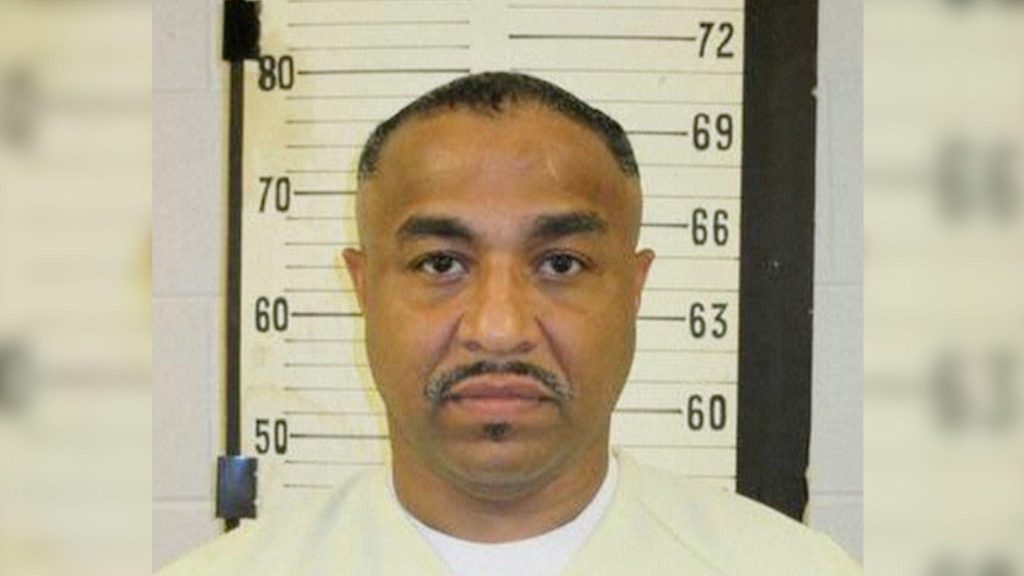
Authorities in the U.S. state of Tennessee were forced to halt the execution of death row inmate Tony Von Carruthers after prison officials failed to establish a functioning intravenous line required for the lethal injection process.
Carruthers, 57, had been scheduled for execution early Thursday morning at a state facility in Nashville.
However, the procedure encountered major complications when medical staff were unable to locate a suitable vein to administer the lethal drugs, leading to the suspension of the execution after more than an hour of attempts.

According to officials, prison personnel struggled to establish the mandatory backup intravenous line required under Tennessee’s execution protocol.
Medical staff also reportedly attempted to insert a central line, a more invasive procedure involving access to a major vein, but those efforts were unsuccessful as well.
Following the failed attempts, Carruthers was removed from the execution chamber and returned to his prison cell, bringing the highly anticipated execution to an abrupt halt.
The incident has once again placed Tennessee’s capital punishment procedures under intense public scrutiny, particularly concerning the use of lethal injection and the ethical concerns surrounding executions that go wrong.
In the aftermath of the failed execution, Tennessee Governor Bill Lee granted Carruthers a one-year reprieve, meaning no new execution date can be set until at least next year.
The decision temporarily spares Carruthers while officials assess what went wrong during the procedure.
Carruthers was convicted for the 1994 kidnapping and murder of three individuals, a case that shocked Tennessee residents and eventually landed him on death row.
Prosecutors argued at the time that the killings were especially brutal, leading jurors to recommend the death penalty.
The failed execution has now reignited nationwide debate over the reliability and humanity of lethal injection methods in the United States.
Human rights advocates and anti-death penalty groups have long argued that lethal injections can lead to prolonged suffering, especially when complications arise during administration.
Critics of capital punishment have pointed to similar botched executions across several American states over the years, where inmates experienced lengthy delays, visible distress, or procedural failures due to difficulties in accessing veins or issues with execution drugs.
Supporters of the death penalty, however, maintain that executions remain lawful punishments for the most severe crimes and argue that technical failures should not overshadow justice for victims and their families.
Tennessee has previously faced legal and ethical controversies surrounding its execution procedures.
In recent years, the state paused executions amid investigations into whether prison officials properly followed protocol regarding lethal injection drugs.
The latest incident involving Carruthers is expected to intensify calls for reforms and could potentially trigger renewed legal challenges against Tennessee’s execution methods.
Legal experts say the failed procedure may become central in future court battles over whether the state’s lethal injection process violates constitutional protections against cruel and unusual punishment.
As discussions continue, the case has once again highlighted the deep divisions in America over capital punishment, with questions mounting over whether lethal injection can truly be carried out in a humane and reliable manner.
FOLLOW NAIROBI NEWS ON FACEBOOK