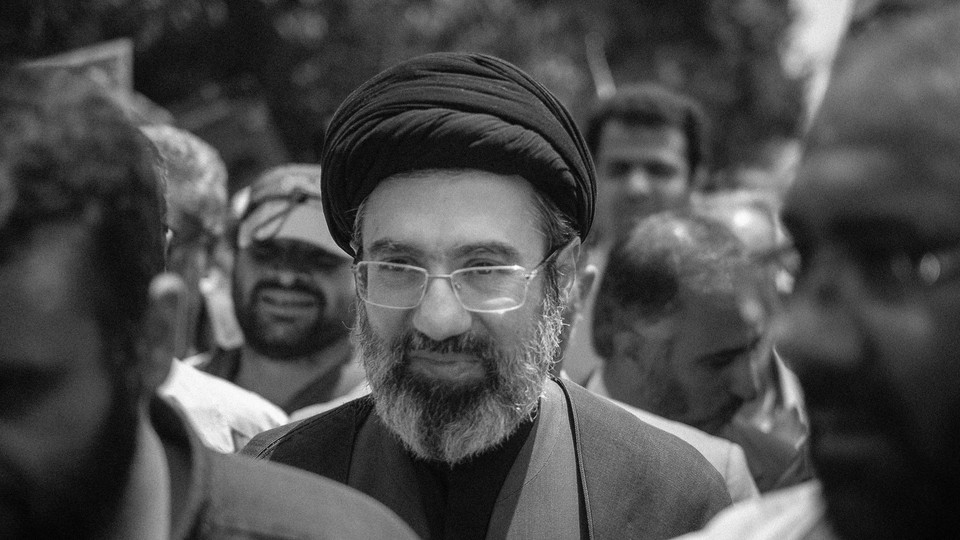
Iran has officially named Mojtaba Khamenei as the country’s new Supreme Leader following the killing of his father, Ali Khamenei, in a major escalation of the ongoing conflict involving Iran, the United States, and Israel.
According to Iranian state media and international reports, the powerful Assembly of Experts, an 88-member council of Islamic scholars responsible for appointing the country’s Supreme Leader, approved Mojtaba as the successor to his father.
The announcement comes just days after Ali Khamenei was reportedly killed in coordinated U.S. and Israeli strikes on Tehran on February 28, 2026.
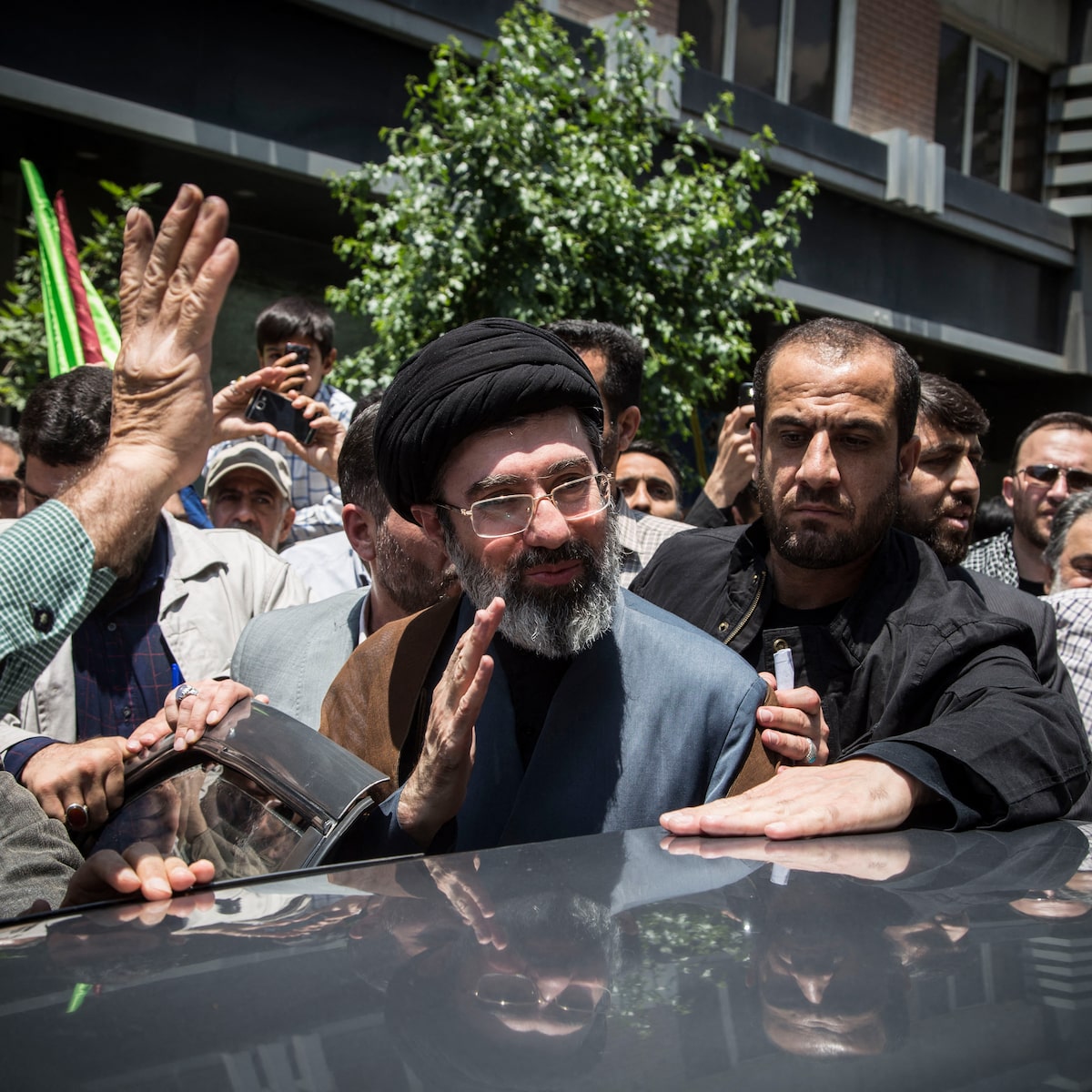
Historic And Controversial Succession
The elevation of Mojtaba Khamenei marks a historic moment in Iran’s political system.
It is the first time since the Iranian Revolution that leadership of the Islamic Republic has effectively passed from father to son, sparking debate about the possibility of a dynastic shift in a state originally founded to reject hereditary rule.
Analysts say the decision reflects the influence Mojtaba had built within Iran’s ruling establishment over the years.
Despite maintaining a relatively low public profile and never holding a major elected office, the 56-year-old cleric was widely known as a powerful figure behind the scenes in Tehran.
He reportedly cultivated close ties with the powerful Islamic.
Revolutionary Guard Corps, which has long played a central role in Iran’s political and security structures.
These relationships are believed to have strengthened his chances of securing the country’s top position.
Rising During A Time Of War
Mojtaba’s appointment comes at a time of heightened regional tensions and an escalating war involving Iran, Israel, and the United States.
Israeli airstrikes have reportedly targeted strategic Iranian infrastructure, including energy facilities in Tehran, while Iran has responded with retaliatory attacks across the region.
The death of Ayatollah Ali Khamenei, who had ruled Iran since 1989, created an urgent need for leadership continuity as the country faces both military confrontation and internal uncertainty.
Iranian officials have called on citizens to remain united and support the new leader during what they describe as a critical moment for the Islamic Republic.
Who Is Mojtaba Khamenei?
Born in 1969, Mojtaba Khamenei is the second son of the late supreme leader and has long been involved in the inner workings of Iran’s political establishment.
Although he kept a low public profile, he served as a key aide within his father’s office and was widely viewed as a gatekeeper with significant influence over political and clerical networks in the country.
In 2019, he was sanctioned by the United States over allegations that he represented his father in official matters and helped maintain the regime’s power structure.
Supporters inside Iran say his leadership will ensure continuity of the Islamic Republic’s ideological direction, while critics, both inside and outside the country, warn that the appointment could deepen tensions with the West and fuel concerns about hereditary rule within the clerical system.
Global Reactions
The international reaction to Mojtaba’s appointment has been swift. Western leaders, particularly in Washington, have expressed skepticism about the new leadership, while Iran’s allies and regional partners have pledged support.
Observers say the coming weeks will be critical in determining how Mojtaba Khamenei consolidates power and whether his leadership stabilizes the country or intensifies the already volatile geopolitical situation in the Middle East.
As Iran enters a new era under its new supreme leader, the world is watching closely to see how the young cleric navigates one of the most turbulent periods in the nation’s modern history.
FOLLOW NAIROBI NEWS ON FACEBOOK

If you like our work, you can buy us a soda
Buy us a soda 🥤