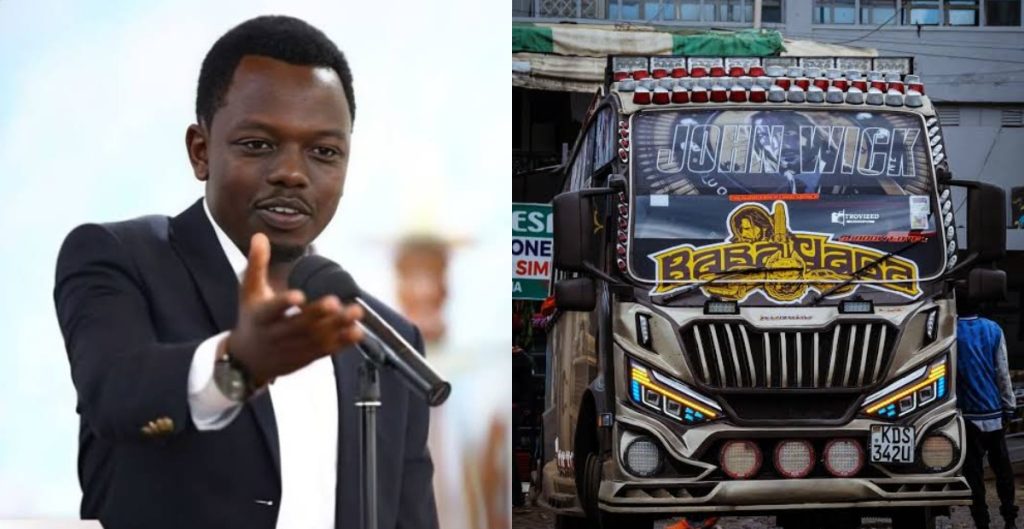
President William Ruto’s son, George Kimutai Ruto, has once again captured public attention after acquiring one of the most recognisable matatus along the Ongata Rongai route, the famed Baba Yaga, also known as “John Wick.”
The latest purchase marks another bold move by the young entrepreneur, widely known as GK, as he steadily builds a reputation as a major investor in Kenya’s vibrant matatu culture.
His growing fleet now stands at five vehicles, further cementing his position in the highly competitive public service vehicle (PSV) sector.
A Matatu That Turns Heads
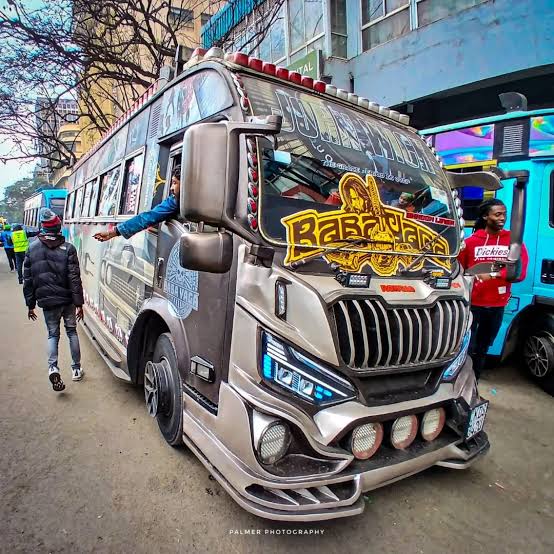
The Baba Yaga matatu is no ordinary commuter vehicle.
Inspired by the ruthless fictional assassin portrayed by Keanu Reeves in the John Wick film series, the matatu boasts a striking aesthetic that has made it a fan favourite among commuters and matatu enthusiasts alike.
Its exterior features a sleek blend of dark and cream tones, complemented by dramatic lighting that gives it a fierce, almost cinematic presence on the road.
Inside, passengers are treated to a vibrant experience typical of Nairobi’s “nganya” culture, loud music, customised interiors, and a youthful, energetic vibe.
From Passion to Profitable Venture
George Ruto’s journey in the matatu business did not start with Baba Yaga.
He initially entered the industry with investments linked to the popular Raptor brand before expanding with high-profile units such as MoneyFest, Matrix, and Mood.
Notably, Matrix, inspired by another Hollywood blockbuster, reportedly cost him about Sh 8.7 million, highlighting the scale of investment required to compete in the premium matatu segment.
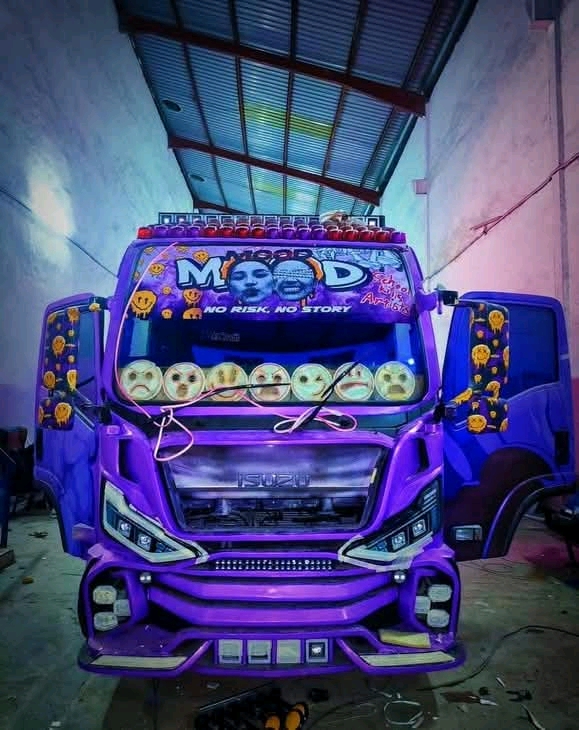
His Mood matatu has arguably been the most innovative, featuring solar panels, a reduced seating capacity for added comfort, onboard entertainment systems, and even a DJ setup, elements that redefine the commuter experience in Kenya’s urban transport scene.
Big Business Behind the Hype
Beyond the flashy designs and online buzz, the matatu business is proving to be a lucrative venture for GK.
Reports indicate that some of his top-performing vehicles generate up to Sh 500,000 monthly, with others bringing in significant daily earnings depending on demand and private bookings.
With the addition of Baba Yaga, his earnings are expected to rise further, especially given the vehicle’s popularity along the busy Rongai route.
Social Media Buzz and Public Reaction
The acquisition sparked widespread reactions online, with Kenyans praising the move as both strategic and bold.
For many, it reflects a new generation of young investors tapping into the matatu industry, not just as a transport service, but as a lifestyle and entertainment brand.
Others noted that the purchase reinforces George Ruto’s growing influence in shaping the future of Nairobi’s matatu culture, where style, branding, and passenger experience increasingly determine success.
A Growing Influence in Urban Transport
As Nairobi’s transport landscape continues to evolve, George Ruto’s expanding fleet signals a shift toward more modern, tech-driven, and experience-focused matatus.
His investments highlight how the once-informal sector is gradually transforming into a structured and highly competitive business space.
With Baba Yaga now under his ownership, GK appears far from slowing down, if anything, he is accelerating his journey toward becoming one of the most prominent young players in Kenya’s urban transport industry.
FOLLOW NAIROBI NEWS ON FACEBOOK

If you like our work, you can buy us a soda
Buy us a soda 🥤