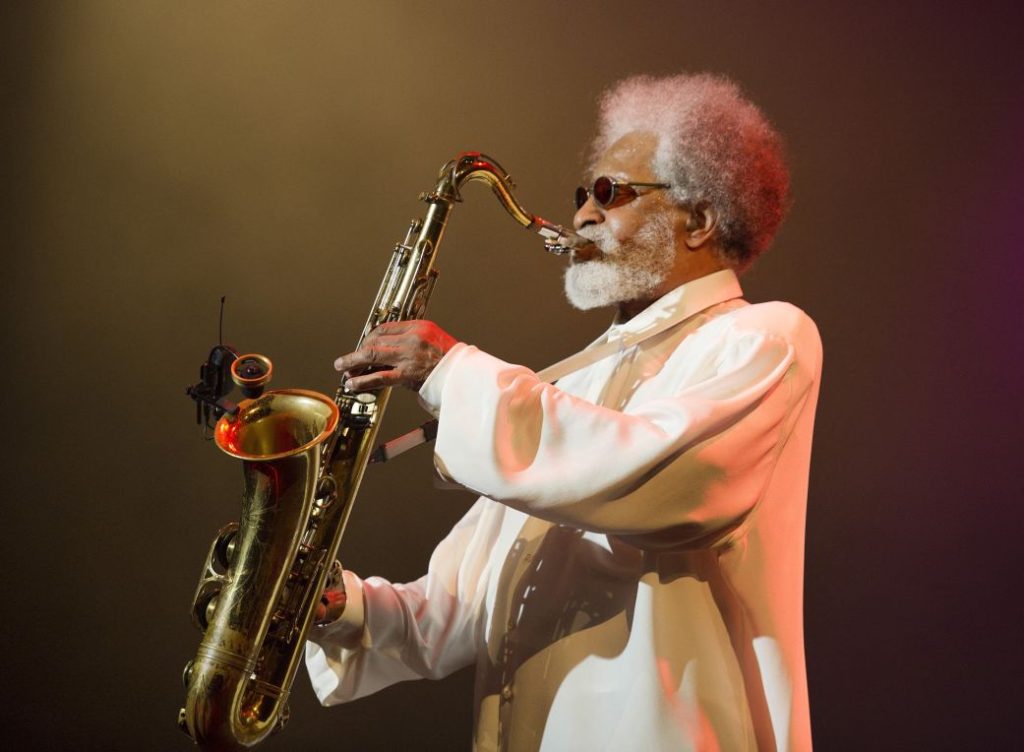
Legendary American jazz saxophonist and composer Sonny Rollins has died at the age of 95.
Rollins, widely regarded as one of the most influential figures in jazz music, died on the afternoon of Monday, May 25, 2026, at his home in Woodstock, New York, according to a statement released by his family.
“Jazz saxophonist/composer Sonny Rollins, one of the most honored and influential figures in American music of the 20th century and beyond, died this afternoon at his home in Woodstock, NY. He was 95,” the family said in a statement.
The family confirmed that Rollins is survived by his nephew Clifton Anderson and nieces Vallyn Anderson and Gabrielle DeGroat. No public memorial service has been planned at this time.
Born Walter Theodore Rollins in 1930 in New York City, the celebrated musician was raised in Harlem by parents from the Virgin Islands. He began his musical journey playing piano before switching to alto saxophone and later embracing the tenor saxophone at the age of 16 — the instrument that would define his career.
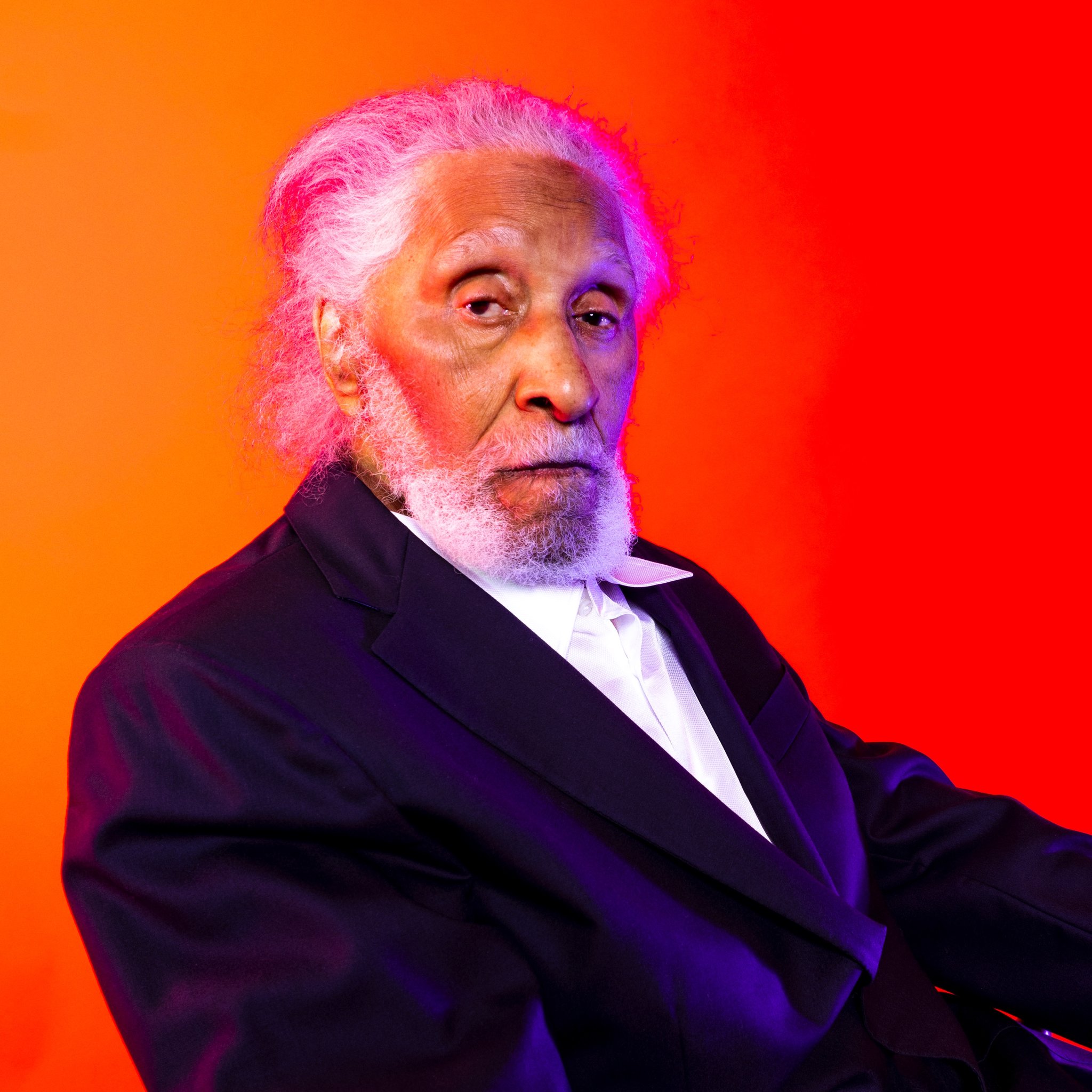
Rollins often credited fellow jazz great Coleman Hawkins as his biggest inspiration.
“I was attracted, I think, to his sound … and intellectual approach,” Rollins once said, describing Hawkins as the musician who helped him view music as an art form.
Before turning 20, Rollins had already worked alongside some of jazz’s most respected figures, including Miles Davis and Thelonious Monk, whom he later described as his “musical guru.”
During the 1950s, Rollins struggled with heroin addiction but later sought treatment at a federal rehabilitation facility in Kentucky following several arrests. After recovery, he rebuilt his career while maintaining sobriety.
His most prolific period came between 1956 and 1958 when he released 16 albums, including the acclaimed live recording A Night at the Village Vanguard, which remains one of the most celebrated jazz albums in history.
In the early 1960s, Rollins briefly stepped away from the spotlight to focus on self-improvement, famously practicing on New York’s Williamsburg Bridge — an experience that inspired his 1962 album The Bridge.
Over his decades-long career, Rollins earned seven Grammy nominations and won two awards. He also received a Grammy Lifetime Achievement Award in 2004 and was honored with both the Kennedy Center Honors and the National Medal of the Arts in 2011.
Rollins played his final concert in 2012 before eventually stepping away from music due to pulmonary fibrosis, a condition that forced him to stop playing the saxophone entirely in 2014.
“When I had to stop playing it was quite traumatic,” Rollins said in a previous interview. “But I realized that instead of lamenting and crying, I should be grateful for the fact that I was able to do music all of my life.”

If you like our work, you can buy us a soda
Buy us a soda 🥤