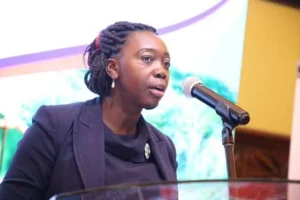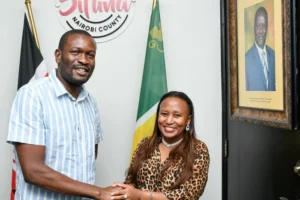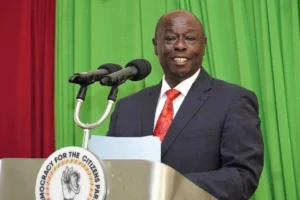

Martha Karua, one of Kenya’s most notable politicians and lawyers, is renowned for her unwavering commitment to justice, gender equality, and the fight against corruption. Born on April 22, 1957, in Kirinyaga County, her rise from a small village to becoming one of Kenya’s most influential political figures is a testament to resilience, principles, and dedication to democratic and legal reforms. Throughout her career, Karua has carved out a legacy of courage, reform, and empowerment for women in politics. This documentary chronicles her journey, challenges, triumphs, and significant contributions to Kenya’s political landscape.
Early Life and Education
Martha Karua was born into a family deeply rooted in the Kikuyu culture of Kirinyaga County. Her father, Karua Gikonyo, was a teacher and a farmer, and her mother, Waithira Karua, was involved in agriculture and small-scale businesses. Both parents instilled a strong work ethic and a deep respect for education in their children.
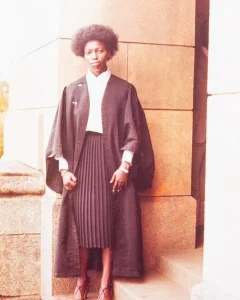
Martha’s early education took place at Mumbi Primary School and later at Kianyaga High School, where she began to show signs of ambition. Her growing interest in law led her to the University of Nairobi in 1977 and Completed her law studies in 1980, where she earned a Bachelor of Laws (LL.B) degree. Upon passing the bar exams, Karua embarked on her legal career, a stepping stone to her foray into politics. Her academic achievements, coupled with her unyielding determination, set the foundation for her impactful career.
Personal Life and Family
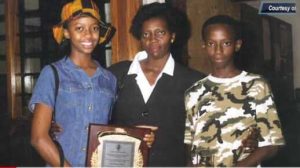
Karua’s personal life reflects her strength and determination. She is the mother of two children: a son, Njiru Karua, and a daughter, Wairimu Karua. Despite the public nature of her political career, Karua has kept her family life largely private. She was married to Mr. Karua, a local politician, but they later separated, and she raised her children as a single mother.
Though balancing her political responsibilities with personal life was challenging, Karua remained close to her children, who provided her with much-needed support. The privacy she maintains around her family life stands as a reminder of her ability to navigate the public and private spheres with dignity.
Political Beginnings
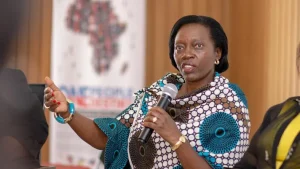
Karua’s political career began in 1992 when she was elected as the Member of Parliament (MP) for Gichugu Constituency in Kirinyaga County during Kenya’s first multi-party elections. At a time when women were significantly underrepresented in the political arena, her election was groundbreaking. She entered a male-dominated political system, where women were few and far between, and her election was seen as a victory for women’s empowerment.
Early on, Karua became a strong advocate for good governance, human rights, and the elimination of corruption. Her own experiences growing up in a country marked by political mismanagement and corruption shaped her desire to pursue a life dedicated to legal reform and the empowerment of marginalized groups, particularly women and children.
Ministerial Career and Fight for Justice
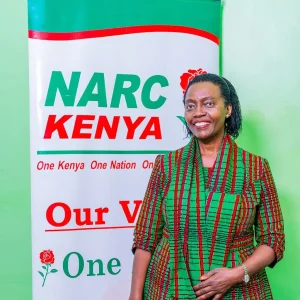
In 2002, after the National Rainbow Coalition (NARC) came to power, President Mwai Kibaki appointed Karua as Minister of Justice and Constitutional Affairs. This was a groundbreaking achievement, as she became one of the few women to hold such a prominent position in Kenyan politics. Her tenure was defined by a strong commitment to legal reforms, anti-corruption measures, and efforts to reshape Kenya’s political and judicial systems.
One of her most significant contributions was her involvement in the drafting of Kenya’s new constitution, which was passed in 2010. Her tireless advocacy for the “Yes” vote during the 2005 constitutional referendum, though unsuccessful, solidified her as a principled leader. Beyond constitutional reforms, Karua worked on improving gender equality within Kenya’s legal framework, advocating for women’s rights to inherit land, own property, and access equal opportunities in both the workplace and the political sphere.
Despite facing resistance from entrenched political interests, Karua remained focused on her mission to ensure equality and justice for all.
Opposition to Corruption and Commitment to Accountability
A key pillar of Karua’s political journey has been her unrelenting fight against corruption. In a country plagued by high-profile corruption scandals, she emerged as one of the loudest voices calling for accountability. Her time as Minister of Justice was marked by her dedication to fighting impunity within the government.
However, her anti-corruption stance was not without its challenges. The Goldenberg scandal, which involved the embezzlement of billions of shillings, was one of the most significant cases of corruption in Kenya. Despite her commitment to tackling corruption, Karua faced criticism for not doing enough to bring the culprits to justice, which sparked heated debates in the country.
Nonetheless, Karua’s resolute stance against corruption earned her admiration from those who believed in a cleaner, more transparent government, even as it alienated powerful figures within the political elite.
The 2007-2008 Post-Election Violence
In 2007, Kenya’s elections descended into chaos when President Mwai Kibaki was declared the winner of a highly disputed vote. The ensuing post-election violence led to the deaths of over 1,000 people and left many more displaced. At the time, Karua was serving as Minister of Justice and was thrust into a highly charged political and social environment.
Although Karua was not directly responsible for the violence, she faced criticism from both the opposition and her allies for not doing enough to address the crisis. Her position within the government, which was accused of complicity in the violence, led to intense scrutiny. Despite this, Karua remained committed to advocating for constitutional reforms that would prevent future occurrences of violence and political instability.
Advocacy for Women’s Rights and Gender Equality
Throughout her career, Karua has consistently championed the rights of women and girls. She has been an outspoken advocate for gender equality, emphasizing the need for reforms in Kenya’s political and legal systems to ensure women’s equal access to opportunities and representation.
In 2022, Karua made history by becoming the first woman in Kenya to be selected as a running mate for a presidential candidate. Chosen by Raila Odinga as his deputy in the Azimio la Umoja coalition, her selection was hailed as a major breakthrough for gender equality in Kenyan politics. While the Odinga-Karua ticket did not win the election, her candidacy resonated deeply with women and marginalized communities and demonstrated her commitment to breaking barriers for women in leadership.
Advocacy Beyond Kenya: The Tanzania and Uganda Cases
Martha Karua’s advocacy for human rights and justice extends beyond Kenya’s borders. Over the years, she has lent her voice and legal expertise to the struggles of opposition leaders in neighboring East African countries, including Uganda and Tanzania.
In Uganda, Karua advocated for opposition leaders facing government persecution. Her attempts to seek justice,particularly in the case of Kizza Besigye were frequently obstructed by Ugandan authorities, raising questions about Kenya’s foreign policy stance toward its neighboring countries.
In Tanzania, Martha Karua was deported after advocating for human rights and attempting to defend opposition figures. Under President Samia Suluhu Hassan, the Tanzanian government intensified its crackdown on opposition leaders and activists. Karua’s efforts to represent opposition leader Tundu Lissu led to her expulsion on the grounds that she lacked a license to practice law in the country. The incident sparked a diplomatic dispute between Kenya and Tanzania, underscoring the personal and political risks Karua was willing to take in her pursuit of justice regardless of national boundaries or political consequences.
Conclusion: A Legacy of Resilience and Leadership
Martha Karua’s political career stands as a testament to her unwavering commitment to justice, equality, and the rule of law. From her role in drafting Kenya’s new constitution to her steadfast opposition to corruption, Karua’s leadership has shaped Kenya’s political landscape for the better.
Her legacy, however, is not just defined by her political achievements but by her role in breaking barriers for women in leadership. Karua has inspired countless women to step into the political arena, challenging societal norms and proving that justice and integrity can triumph, even in the face of immense political and personal challenges.
Martha Karua’s journey is a story of courage, determination, and an unwavering commitment to creating a better Kenya for all. Her legacy will continue to inspire generations of leaders, both in Kenya and across the continent, for years to come.

If you like our work, you can buy us a soda
Buy us a soda 🥤