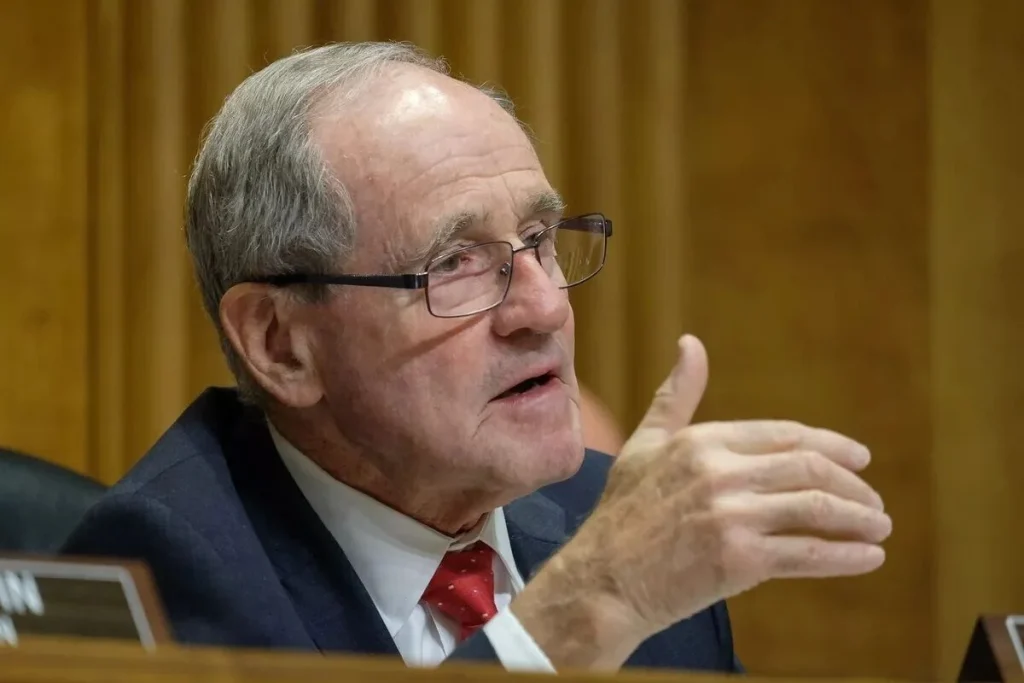
US Senate Foreign Relations Committee Chairman Jim Risch has voiced strong concern over reports that American technology companies are restricting Tanzanians’ access to social media platforms.
In a statement issued on December 5, Senator Risch said he was troubled by claims that US-based tech firms are blocking individuals allegedly targeted by the Tanzanian government including some who reside in the United States.
“I am also concerned by reports that U.S.-based tech companies are blocking social media access for individuals targeted by the Tanzanian government—including some in the United States,” the statement reads.
Risch further criticised the previous Biden Administration’s attempts to regulate social media domestically, arguing that such efforts harmed political and civic discourse.
He described it as unacceptable that similar practices are reportedly being implemented in Tanzania at the request of its government.
“We have already seen the harmful effects of the former Biden Administration’s efforts to police social media on political and civic discourse in our own country. For this to be happening in Tanzania at that government’s request is unacceptable,” he added.
The senator also warned that ongoing state repression in Tanzania including cases involving Christian leaders poses a threat to regional stability and warrants deep scrutiny.
His remarks follow confirmation from Meta, the parent company of Facebook, that it blocked the Instagram accounts of prominent Tanzanian activists Maria Sarungi-Tsehai and Mange Kimambi.
The decision has sparked backlash from digital rights advocates, who accuse Meta of enabling President Samia Suluhu Hassan’s administration to silence dissent amid tensions following post-election violence in October.
A Meta spokesperson said Sarungi’s account was taken down in compliance with a legal order from the Tanzanian government.
The company also told CNN’s Larry Madowo that Kimambi was banned from Instagram and WhatsApp for repeated violations of platform rules.
Tanzania has long faced accusations of curbing internet access and restricting social media during election periods, particularly during widespread protests.
Internet disruptions were first detected on October 29, the day citizens went to the polls, drawing condemnation from media and human rights groups who say such censorship suppresses political expression.
According to global internet watchdog NetBlocks, Tanzania may still be limiting access to various platforms, including TikTok, Telegram, and Facebook Messenger.
On November 3, NetBlocks reported: “Live metrics show widespread restrictions to multiple social media and messaging platforms as Tanzania comes back online after a five-day internet shutdown; the incident continues to limit election transparency and the free flow of information.”

If you like our work, you can buy us a soda
Buy us a soda 🥤