
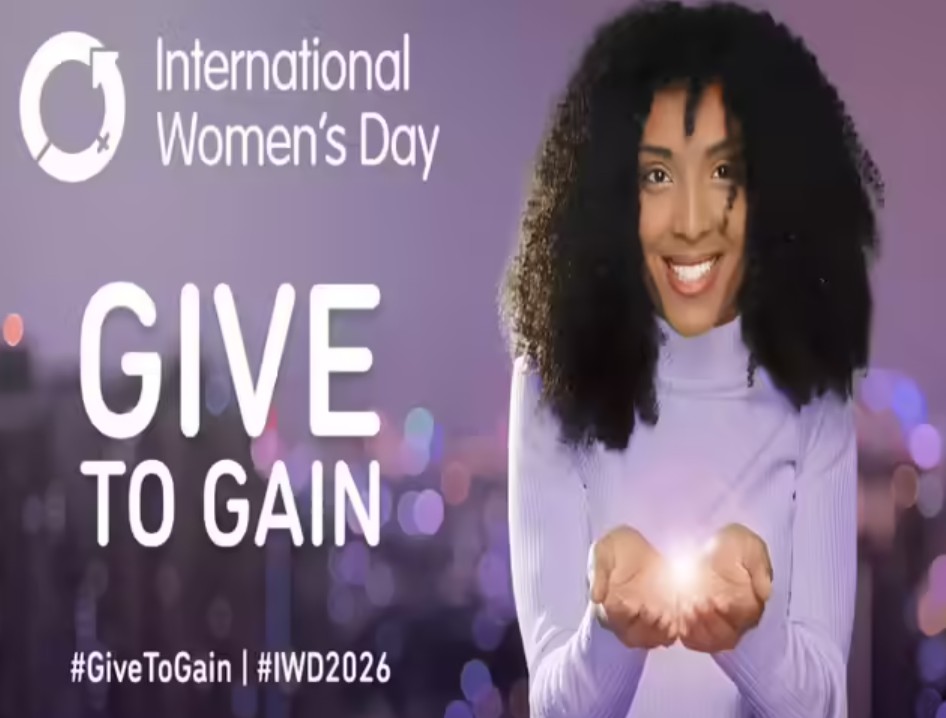
International Women’s Day (IWD) was first established in the early 20th century during a period of growing movements for women’s rights. The day was created to highlight the struggles, achievements, and rights of women, especially during a time when women faced significant social, political, and economic inequalities. Over time, it became both a celebration of women’s accomplishments and a global call to action for gender equality.
Key Milestones
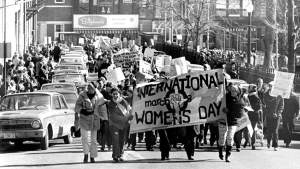
The journey of International Women’s Day includes several important milestones: In 1909, the first National Woman’s Day was observed in the United States on February 28, organized by the Socialist Party of America. A year later, in 1910, German activist Clara Zetkin proposed at the International Socialist Women’s Conference in Copenhagen the creation of an international day to honor women and advocate for equal rights, including voting rights. The proposal was unanimously approved. The first International Women’s Day was celebrated on March 19, 1911, in countries such as Germany, Austria, Denmark, and Switzerland. A defining moment came in 1917 when women in Russia held a major protest for “bread and peace” on March 8, which led to the establishment of this date as the global day for women. In 1975, the United Nations officially recognized March 8 as International Women’s Day. Today, it is celebrated worldwide to honor women’s achievements and advocate for gender equality.
Main Reasons for Establishing International Women’s Day
International Women’s Day was created with several key objectives aimed at addressing the inequalities women faced around the world. One of its primary goals was to fight for women’s voting rights. In the early 1900s, women in many countries were denied the right to vote, and activists worked tirelessly to secure political equality so that women could participate in governance and decision-making.
Another major focus was to demand better working conditions. Many women worked under dangerous environments, endured long hours, and received very low pay. Labor movements and protests organized during this period called for fair wages, safer workplaces, and reasonable working hours, highlighting the urgent need for reform in employment practices affecting women.
Promoting gender equality was also central to the creation of International Women’s Day. Women were frequently denied access to education, leadership positions, and equal opportunities in society. IWD sought to challenge these forms of discrimination and advocate for equal rights across social, political, and economic spheres.
In addition to addressing inequality, International Women’s Day serves to recognize women’s contributions. The day celebrates the social, economic, cultural, and political achievements of women worldwide, acknowledging their vital role in shaping communities, nations, and global progress.
This day supports broader social justice movements. Historic events, such as the 1917 Russian protests, played a significant role in establishing March 8 as the global date for International Women’s Day. By connecting women’s struggles to wider movements for justice and equality, IWD emphasizes the ongoing need for activism and advocacy in achieving a fairer world for all.
How International Women’s Day is Observed
Today, the day is officially recognized by the United Nations and observed globally every March 8 to celebrate women’s achievements, raise awareness about gender inequality, and advocate for women’s rights and empowerment. People are encouraged to take actions that support women’s equality and empowerment.
Ways People Participate
One of the main ways people observe International Women’s Day is by celebrating women’s achievements. Communities take time to honor women leaders, professionals, activists, mothers, and girls who make a meaningful difference socially, economically, culturally, and politically. These celebrations highlight the contributions women have made to society and serve as an inspiration for future generations.
Promoting gender equality is another key focus of the day. Individuals are encouraged to speak out against discrimination and actively support equal opportunities for women in education, employment, and leadership positions. By advocating for fairness and inclusivity, people help create environments where women can thrive and contribute fully to society.
International Women’s Day also raises awareness about the challenges women continue to face. Organizations, media outlets, and activists highlight pressing issues such as gender-based violence, unequal pay, limited access to education or healthcare, and political underrepresentation. By bringing attention to these problems, the day encourages action to address systemic inequalities.
Supporting women-led initiatives is another important way to mark the occasion. People can promote women-owned businesses, contribute to charities that support women and girls, and mentor young women. These efforts help empower women economically, socially, and professionally, creating lasting positive change.
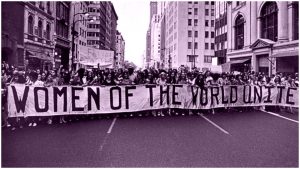
Attending events and campaigns is a common way to participate in International Women’s Day. Many groups organize marches, rallies, conferences, community discussions, and educational programs. The United Nations also uses the day to advance global campaigns for women’s rights, emphasizing the importance of collective action in achieving equality.
International Women’s Day in Kenya
In Kenya, International Women’s Day began to be recognized and celebrated more widely in the 1980s and 1990s, when women’s rights groups and civil society organizations aligned their campaigns with the global movement for gender equality.
Timeline in Kenya
After Kenya gained independence in 1963, women continued to push for their rights, focusing on access to education, land ownership, and political representation. Despite the progress made during the independence movement, many women still faced social and economic barriers, and activism remained essential in advocating for equality.
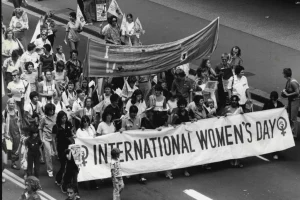
During the 1980s and 1990s, women’s organizations, non-governmental organizations (NGOs), and activists began formally marking March 8 as International Women’s Day. These observances included events, rallies, and advocacy campaigns aimed at raising awareness about women’s rights and promoting gender equality across the country.
From the 2000s to the present, the celebration of International Women’s Day in Kenya has become more institutionalized. The government, county administrations, and various organizations now officially commemorate the day every year with national and community events. These activities focus on empowering women, promoting leadership opportunities, and advancing gender equality in all sectors of society.
Activities in Kenya
In Kenya, International Women’s Day is used to promote women’s leadership and empowerment, discuss issues like gender-based violence and equal opportunities, and celebrate influential Kenyan women such as Wangari Maathai, who fought for environmental protection and women’s rights. Although the day is widely observed on March 8, it is not a public holiday in Kenya.
Presidential Recognition in Kenya
The first President of Kenya, Jomo Kenyatta (1964), witnessed women pushing for their rights after independence, but International Women’s Day was globally recognized much later, particularly after the UN began celebrating it in 1975. One of the early Kenyan presidents to publicly support IWD was Uhuru Kenyatta, who in 2014 attended national celebrations at the Kenyatta International Conference Centre in Nairobi. Over the years, other leaders like William Ruto and prominent politicians such as Martha Karua have also participated in events promoting women’s empowerment, leadership, and justice.
Notable figures like Wangari Maathai used International Women’s Day to advocate for environmental protection and highlight women’s roles in community development, demonstrating how women can lead in multiple sectors.
Reasons Kenya Celebrates International Women’s Day
Kenya marks International Women’s Day to promote gender equality across all sectors of society. The day is used to advocate for equal opportunities in education, employment, leadership, and decision-making, ensuring that women have the same chances as men to participate fully in social, economic, and political life.
Another important focus is recognizing women’s achievements. Kenyan women who contribute significantly to business, politics, health, education, agriculture, and community development are honored, highlighting their vital role in national growth and inspiring future generations to pursue leadership and innovation.
The day is also a platform to fight gender-based violence. Efforts are made to address domestic violence, femicide, and discrimination against women and girls, raising awareness of these issues and promoting protective measures and legal reforms to safeguard women’s rights.
Supporting women’s economic empowerment is another key objective. Programs and initiatives are encouraged to improve women’s access to jobs, funding, land, and business opportunities, helping women achieve financial independence and participate actively in the economy.
Kenya, aligns its celebrations with the global campaign for gender equality. By joining the United Nations’ international movement, which sets an annual theme to guide discussions and action, Kenya connects its efforts to a worldwide push for women’s rights and empowerment, demonstrating solidarity with women across the globe.
The theme for International Women’s Day 2026 focuses on accelerating action for gender equality and empowering women and girls worldwide. Celebrations in Kenya typically include government and county events, community forums, marches, media campaigns highlighting women’s stories, and awards recognizing outstanding women leaders.
Girl, 18 dies in pit latrine after it collapses in Chasimba, Kilifi County

If you like our work, you can buy us a soda
Buy us a soda 🥤