
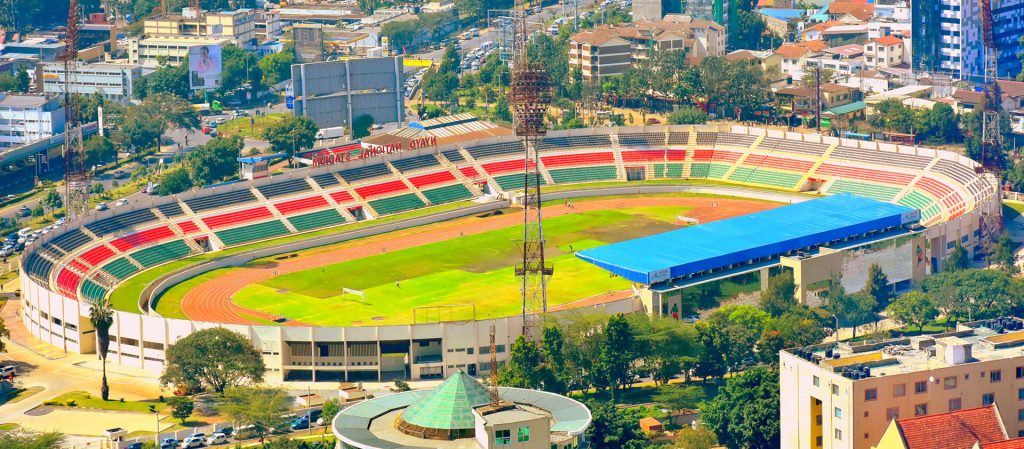
Nyayo National Stadium is one of Nairobi’s most iconic sports venues, standing as a symbol of Kenya’s rich athletic history and the nation’s commitment to nurturing talent. Located along Uhuru Highway, just a short distance from Nairobi’s central business district, the stadium has been a focal point for sporting and entertainment activities for decades. From hosting international football matches to national celebrations and concerts, Nyayo National Stadium remains a central hub of activity in Kenya’s capital.
History of Nyayo National Stadium Nairobi
Nyayo National Stadium was officially opened in 1983 during the tenure of President Daniel arap Moi. The stadium was built as part of a broader government initiative to develop Kenya’s sports infrastructure and provide athletes with world-class facilities. The name “Nyayo” is derived from the Swahili word meaning “footsteps,” a term that was widely associated with President Moi’s leadership philosophy.
Over the years, the stadium has witnessed historic moments in Kenyan sports, including intense local football derbies, international athletics championships, and significant political gatherings. It has also played host to visiting dignitaries and cultural events, cementing its status as a multipurpose facility.
World-Class Facilities and Seating Capacity
Nyayo National Stadium boasts a seating capacity of approximately 30,000 spectators, making it one of the largest stadiums in Kenya. The main stadium features a well-maintained grass pitch suitable for football and rugby, along with a standard eight-lane running track that meets international athletics standards.
The stadium is part of the larger Nyayo National Sports Complex, which includes additional facilities such as an indoor gymnasium, a swimming pool, and training grounds for various sports. These amenities make the complex a key training center for both professional and amateur athletes. The presence of floodlights enables night matches and events, adding to the stadium’s versatility.
A Hub for Football and Athletics
Football is the most popular sport at Nyayo National Stadium, with local clubs such as AFC Leopards and Gor Mahia regularly using the venue for home matches. The stadium has also hosted international fixtures, including FIFA World Cup qualifiers, African Cup of Nations (AFCON) matches, and regional tournaments.
Also Read: Lavington Estate Nairobi: A Haven of Elegance and Prestige
Beyond football, Nyayo National Stadium is a preferred venue for athletics. Kenyan sprinters, middle-distance runners, and marathoners have graced the track during national championships and trials for international competitions such as the Olympics and World Athletics Championships. The stadium provides an ideal training ground for athletes who aspire to compete at the highest level.
Renovations and Upgrades
In an effort to maintain its status as a premier sports venue, Nyayo National Stadium has undergone several renovations over the years. One of the most significant upgrades was ahead of Kenya’s hosting of the 2010 African Senior Athletics Championships. The renovations included improvements to the track, seating areas, changing rooms, and media facilities.
More recently, the government invested in further refurbishments to bring the stadium up to modern international standards. The upgrades included the installation of new seats, an improved drainage system, and enhanced security features. These efforts have ensured that the stadium remains a suitable venue for international competitions and major events.
A Venue for National Events and Concerts
The Stadium is not just about sports—it is also a key venue for national celebrations and large-scale entertainment events. The stadium has been the site of major state functions, including Jamhuri Day and Mashujaa Day celebrations, which bring together thousands of Kenyans to commemorate important milestones in the country’s history.
The venue has also hosted high-profile music concerts, attracting international artists and local performers alike. Over the years, musicians from across Africa and beyond have used Nyayo National Stadium as a stage to entertain their fans, making it a cultural landmark in addition to a sporting one.
Despite its rich legacy, Nyayo National Stadium has faced challenges, including concerns over maintenance, security, and limited modernization compared to other world-class stadiums. The lack of consistent investment in facilities has sometimes led to criticism from athletes and sports federations.