The Africa Centres for Disease Control and Prevention (Africa CDC) has warned that the ongoing Ebola outbreak could spread to the United Kingdom and other countries unless governments strengthen preparedness and provide urgent funding to contain the disease.
Africa CDC Director-General Dr Jean Kaseya said the outbreak had spread across three African regions, raising concerns about its potential to become an international health emergency.
“We want all countries to know that they are not safe if they don’t take appropriate measures,” Kaseya said.
“Each country, not only in the African region, but all continents, must now increase the preparedness level and the possibility for treatment,” he added.
According to figures cited in the report, the outbreak has recorded 10,091 cases and nearly 5,000 deaths, with the Democratic Republic of the Congo (DRC) accounting for most infections and fatalities.
Kaseya compared the situation to the COVID-19 pandemic, warning that countries that initially considered themselves safe could eventually become major centres of infection.
“We shouldn’t forget that at the beginning of Covid, many countries said there was zero risk of being affected, but a few months later, they became the hotspot,” he said.
“We don’t want to see the UK and other countries become the hotspot.”
The outbreak, caused by the Bundibugyo virus, was declared in the DRC’s Ituri province on May 15, although investigations indicate that transmission began in February.
The disease has spread to Uganda and Kenya, while Nigeria reported a case in Abuja involving a woman who arrived from Uganda. France also reported an infection involving a doctor who had returned from the DRC.
“It is the first time three African regions have been affected by Ebola. The geographic extension of this outbreak is unprecedented,” Kaseya said.
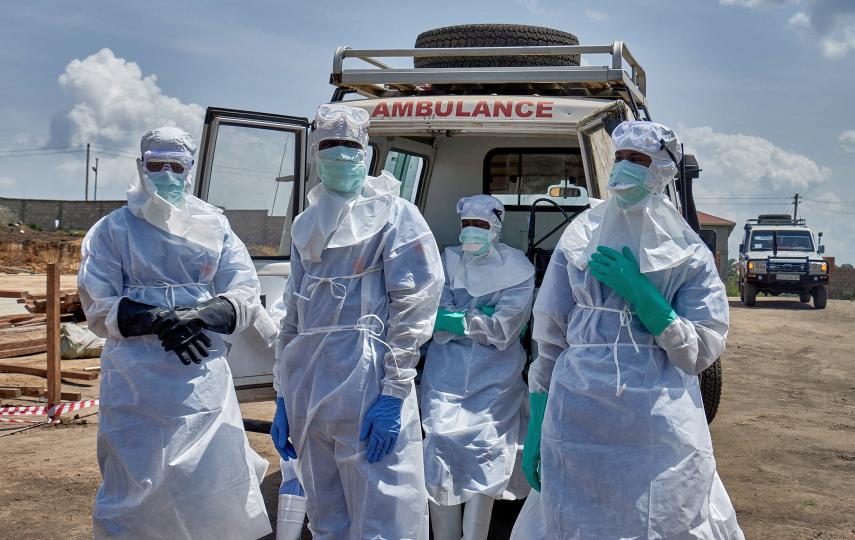
The Bundibugyo virus spreads through direct contact with the blood and other bodily fluids of infected people or contaminated materials. The disease can be severe and fatal, making early detection and infection prevention essential.
Health officials face additional challenges because there is no approved specific treatment for the Bundibugyo virus, although vaccine trials are underway. Kaseya said results could be available within three to six months.
The response has been hampered by shortages of protective equipment, delayed salaries for health workers, insecurity, misinformation and cuts in international aid.
Kaseya is also seeking stronger cooperation among African countries, including improved screening and testing of travellers arriving from affected areas.
“The main message to ministers is that they have to understand they could be affected, and we don’t want them to be surprised by what could happen,” he said.
He further called on African leaders to establish a “corridor of peace” in conflict-affected areas to allow medical teams to reach vulnerable communities safely.
“Ebola can affect everyone,” he said, urging armed groups and government forces to cooperate in protecting the population.
Kaseya warned that funding shortages could undermine containment efforts and increase the cost of controlling the outbreak.
He said governments had pledged approximately $3 billion towards the response, but more than $2 billion remained outstanding. African countries had committed $120 million, while the remaining funding was expected from international partners, including the United States, the United Kingdom and the European Union.
“We need this money now,” Kaseya said.
He warned that delays could allow infections to spread further, requiring significantly greater resources to control the disease.
The Africa CDC says urgent financing, cross-border cooperation and improved access for frontline health workers are critical to preventing further transmission and protecting communities worldwide.
Spain Train Crash: At Least 10 Feared Dead as Two High-Speed Trains Collide in Toledo

If you like our work, you can buy us a soda
Buy us a soda 🥤