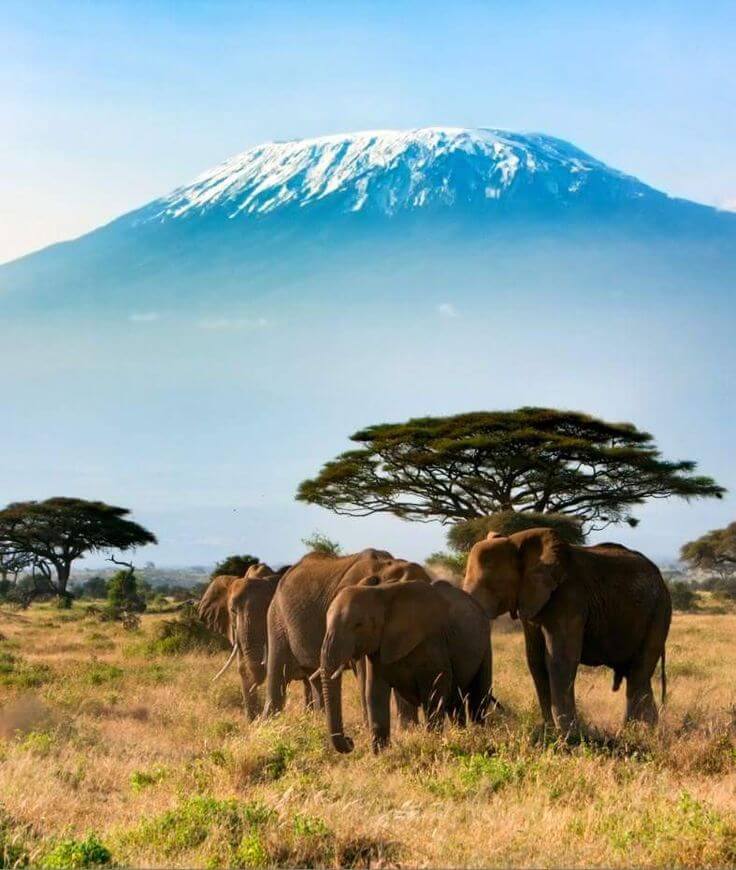
The Government has stepped up investigations into the deaths of 18 elephants in the Amboseli ecosystem, with preliminary laboratory findings pointing to the possible involvement of a toxic substance.
Tourism and Wildlife Cabinet Secretary Rebecca Miano said the first 15 elephant deaths were recorded between June 24 and July 24, 2026, prompting the Kenya Wildlife Service (KWS), security agencies, investigators and scientific institutions to launch a multi-agency inquiry.
The investigation has since expanded following the deaths of three additional elephants, bringing the total number of reported deaths to 18.
Ms Miano said comprehensive field investigations, laboratory analysis and environmental sampling had been conducted as authorities sought to establish what caused the deaths.
“Preliminary laboratory results point to the probable involvement of a toxic substance,” she said.
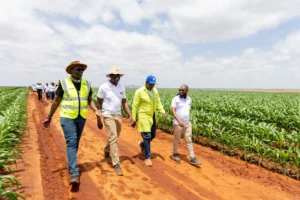
Earlier findings had indicated the possibility of cyanide poisoning linked to the ingestion of pesticide-contaminated tomatoes sourced from farms adjacent to wildlife habitats.
However, the CS cautioned that the findings were still preliminary and would require further scientific verification before investigators could reach a definitive conclusion on the cause of death.
The multi-agency operation has so far resulted in the arrest of four persons of interest, while investigators are pursuing another individual believed to possess information relevant to the case.
A search operation conducted in Tikondo, Kimana, within Loitoktok Sub-County, also led to the recovery of assorted substances, including chemicals suspected to have been sourced from a neighbouring country.
The recovered materials, some of which were unlabelled and considered potentially toxic, have been secured for further scientific examination.
Ms Miano, however, stressed that the arrests and recovery of the substances did not, by themselves, establish criminal responsibility.
She said the Government would allow investigators and the courts to determine whether the suspects had committed any offence.
“Any person established to have unlawfully killed, poisoned or harmed wildlife will be prosecuted in accordance with the law,” she said.
The CS described the Amboseli deaths as more than a wildlife conservation matter, saying they constituted a national conservation and security concern.
She noted that Kenya’s wildlife occupies diverse landscapes and seascapes, including national parks, reserves, sanctuaries, conservancies, forests, rangelands, wetlands and coastal and marine ecosystems.
“Every wild animal, irrespective of species or location, forms part of the national heritage and merits protection under the law,” she said.
The Government, she added, was reinforcing measures to protect wildlife through intelligence-led operations, surveillance, scientific investigations, law enforcement and rapid response mechanisms in vulnerable areas.
Authorities will also intensify monitoring of risks associated with the misuse, illegal application, trafficking or careless handling of hazardous substances that could threaten wildlife, people and the environment.
Miano said inter-agency coordination and intelligence sharing would also be strengthened to ensure threats were detected early and investigated professionally.
She said scientific evidence would continue to guide decisions on wildlife management and conservation.
The Government is also expected to deepen cooperation with communities living alongside wildlife habitats, recognising that wildlife frequently moves beyond protected areas into community, private and agricultural land.
Miano commended communities living in and around the Amboseli ecosystem for their vigilance and cooperation during the investigations.
She said their willingness to share information with authorities demonstrated the critical role communities play in protecting Kenya’s wildlife.
“Communities are not passive beneficiaries of conservation, but indispensable partners and the primary guardians of Kenya’s wildlife,” she said.
The CS urged members of the public to provide information on suspected wildlife crime through lawful channels, saying community participation was critical to preventing further deaths.
She said the Government would continue pursuing all credible lines of inquiry into the Amboseli deaths while strengthening preventive and enforcement measures.
Where sufficient evidence is established, she said, those responsible would be held accountable in accordance with the law.
Miano assured Kenyans and the international conservation community that the Government remained committed to protecting wildlife across the country.
She said the authorities would work to safeguard Kenya’s conservation gains for present and future generations.

If you like our work, you can buy us a soda
Buy us a soda 🥤