
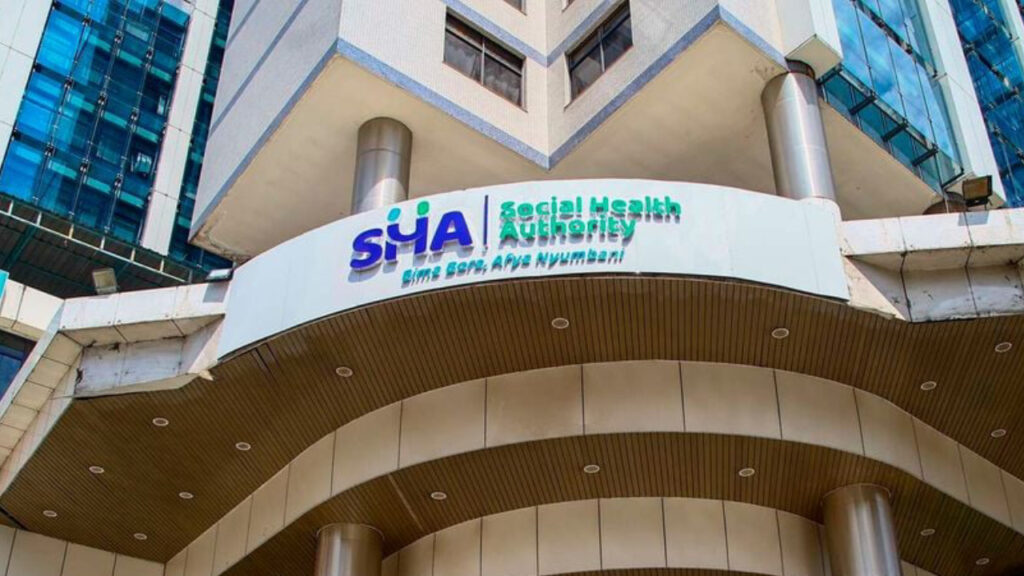
A constitutional petition was filed at the High Court seeking to suspend the implementation of a controversial 2 per cent Health Information Management System (HIMS) utilization fee.
The petitioner argued that the fee deducted from claims submitted by healthcare providers through the Social Health Authority (SHA) is unconstitutional, illegal and a form of double taxation.
The petition raised concerns over the scale of the deductions, alleging that by July 2026 SHA had disbursed approximately Sh60.7 billion in claims, translating to more than Sh1.2 billion collected through the disputed 2 per cent fee.
The petition was filed by Nakuru-based surgeon Dr. Magare Gikenyi J. Benjamin, Senator Okiya Omtata and Eliud Matindi.
The three petitioners sought immediate conservatory orders to halt the deduction of the 2 per cent HIMS utilisation fee pending the hearing and determination of the case.
“That the 2% HIMS System Utilization fee is not based on any legislation. In any event, the 2010 constitution architecture does not allow government to do business with its own people except through taxes and charges which are all consolidated together, budgeted and appropriated,” reads court papers.
They further wanted the court to prohibit the respondents, their agents or any other persons from implementing or enforcing any letter, circular, gazette notice or directive authorising the deduction of the fee from healthcare providers’ claims processed under the SHA system or any related digital platform.
Dr. Magenyi argued that he discovered the deductions on April 8, 2026 while attending to patients at a SHA-accredited health facility.
He claimed that upon noticing the deductions, he sought clarification from SHA, the Digital Health Authority, the Ministry of Health and the National Treasury through a letter dated July 1, 2026.
However, none of the institutions provided a legal basis for the levy.
The petition contended that the respondents have failed to identify any legislation authorising the deduction of the 2 per cent HIMS utilization fee or explain how the money is collected, managed and appropriated.
Dr. Gikenyi, Senator Omtata and Matndi argued that Articles 209 and 210 of the Constitution only permit the government to raise revenue through taxes and charges established by law, insisting that the HIMS utilization fee amounts to an unlawful “charge on a charge” that lacks parliamentary approval.
They also alleged that the fee was introduced without public participation, contrary to Articles 10 and 232 of the Constitution, and question how the government settled on the 2 per cent rate, arguing that no research, formula or public justification has ever been disclosed.
The petitioners further claimed that the levy violates principles of prudent public finance management by imposing additional financial burdens on healthcare providers and ultimately increasing the cost of healthcare services.
He argued that there is no transparency or accountability regarding the destination of the deducted funds and alleges that the deductions benefit unidentified private entities rather than the Consolidated Fund.
Among the constitutional violations cited in the petition are alleged breaches of Articles 1, 3, 10, 27, 28, 31, 43, 46, 73, 75, 94, 95, 109, 201, 209, 210 and 232.
The petitioners argued that the deductions amount to unlawful taxation without legislation, violate consumers’ economic rights, discriminate against healthcare providers, undermine public confidence in government institutions and expose patients’ personal data to unknown entities in breach of the Data Protection Act.
The petitioner claimed the deductions have no legal foundation and should be suspended to prevent continued loss of public funds.
Dr. Gikenyi maintained that the matter is one of significant public interest because it concerns constitutional governance, public finance and the administration of Kenya’s healthcare system.
He asked the High Court to certify the application as urgent, suspend the implementation of the disputed fee and fast-track the hearing of the petition to determine whether the levy is constitutional.

If you like our work, you can buy us a soda
Buy us a soda 🥤

