

A fresh wave of nationwide protests is looming as Kenyans prepare to take to the streets in response to soaring fuel prices that have pushed the cost of living to unprecedented levels.
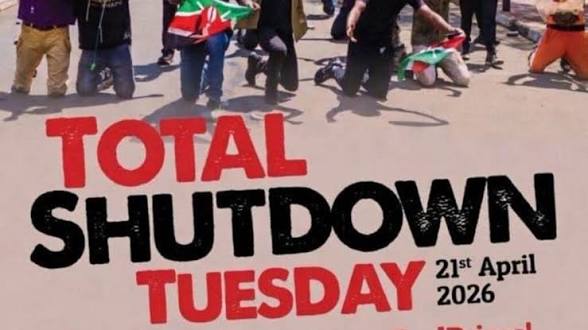
The demonstrations, organised under the hashtag #RejectFuelPrices, are expected to peak on Tuesday, April 21, with a largely youth-driven movement, particularly Gen Z, mobilising online and offline to demand urgent government intervention.
According to reports, activists have been rallying citizens across social media platforms, vowing to stage what they describe as a “mass action” to pressure authorities into lowering fuel costs.
Fuel Prices Hit Record Highs
The protests come in the wake of a sharp increase in fuel prices announced by the Energy and Petroleum Regulatory Authority (EPRA).
The latest review pushed petrol prices in Nairobi to over Sh 206 per litre, with diesel retailing at nearly the same price, marking one of the highest levels in Kenya’s history.
The government attributes the hike to global factors, including rising crude oil prices triggered by geopolitical tensions in the Middle East and increased import costs.
In fact, the cost of imported petroleum products has surged significantly, forcing regulators to adjust local pump prices upward.
However, many Kenyans are not convinced.
Critics argue that internal issues, such as alleged mismanagement, corruption in the energy sector, and controversial fuel import deals, have worsened the situation.
Rising Cost of Living Sparks Anger
The fuel price hike has had a ripple effect across the economy, with transport operators already warning of increased fares and businesses expected to pass higher costs onto consumers.
This has intensified the burden on ordinary Kenyans already grappling with high food prices, rent, and unemployment.
Public frustration has been building for days, with many citizens describing the situation as “unbearable.” The planned protests are therefore not just about fuel prices, but a broader outcry over the escalating cost of living.
Government and Police Push Back
Despite the growing momentum, authorities have pushed back against the planned demonstrations. Nairobi police have declared the protests “unlawful,” citing a lack of formal notification from organisers as required by law.
At the same time, the government has urged calm.
William Ruto has downplayed the effectiveness of protests, arguing that global market forces, not local policies, are driving fuel prices.
He has instead pointed to measures such as temporary tax relief and subsidies aimed at cushioning consumers.
Rights Groups Warn of Possible Crackdown
Human rights organisations, including Amnesty International Kenya, have cautioned security agencies against using excessive force during the demonstrations.
They have reminded authorities that the Constitution guarantees the right to peaceful assembly and urged police to facilitate, rather than suppress, the protests.
Their concerns are informed by past protests, including the 2024 anti-tax demonstrations, which turned deadly after clashes between protesters and police.

A Nation on Edge
Analysts warn that the situation could escalate if tensions are not carefully managed. Kenya has a recent history of mass protests linked to economic grievances, and the current mobilisation, largely driven by digitally savvy youth, signals a potentially significant moment of civic action.
With opposition leaders backing the demonstrations and issuing ultimatums to the government, Tuesday’s protests could mark a turning point in the country’s ongoing debate over economic policy and governance.
As Kenyans prepare to take to the streets, the country stands at a crossroads, caught between rising global pressures and growing domestic discontent.
FOLLOW NAIROBI NEWS ON FACEBOOK

If you like our work, you can buy us a soda
Buy us a soda 🥤