
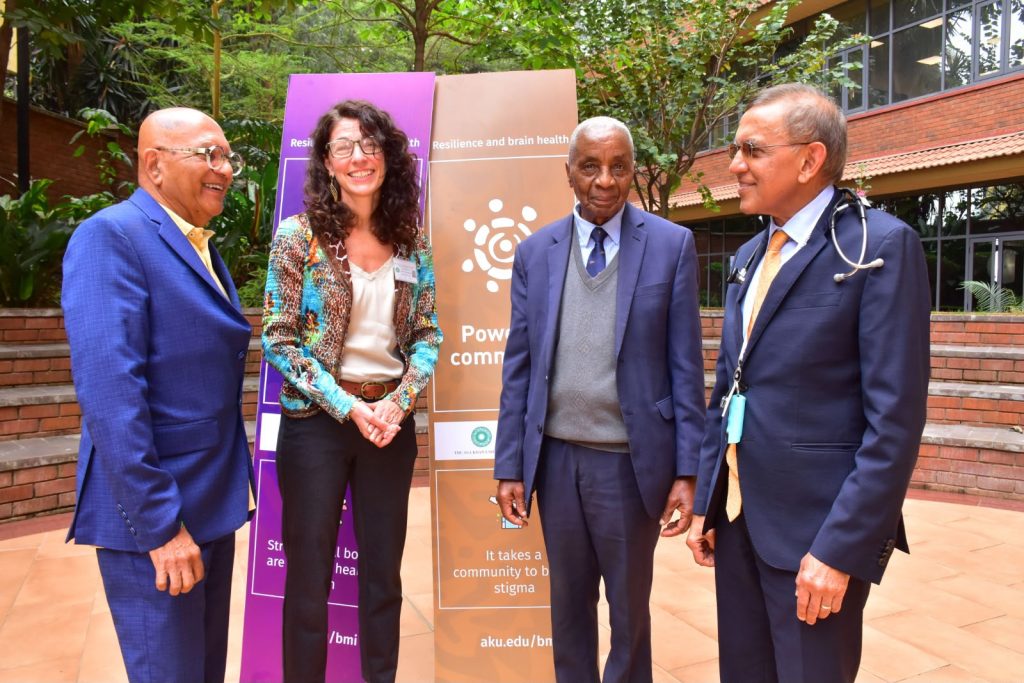
Poverty may have a greater impact on healthy brain ageing than a cancer diagnosis, according to new findings from a study by the Aga Khan University Brain and Mind Institute (AKU-BMI).
The study, dubbed the Brain Resilience Kenya (BRK), was conducted over three years among over 404 Kenyan adults aged 35 years and above to explore how biological, psychological, social and environmental factors affected healthy aging and reduce the risk of frailty and dementia.
Researchers combined advanced brain imaging, community engagement, comprehensive cognitive assessments and blood-based biomarkers to better understand why some individuals maintain healthy brain function despite experiencing significant life challenges, while also identifying practical ways individuals and communities can protect brain health throughout life.
The study found that lifelong experiences, including childhood conditions, cardiovascular health, education, social support and economic wellbeing, play a critical role in determining how well people maintain brain health as they age, demonstrating that brain resilience is shaped across the life course.
The findings were shared during a Community Dissemination Workshop and Health Fair supported by Dartmouth University. The workshop brought together study participants, community health promoters, community members and community partners to discuss the factors that promote resilience across the lifespan, and the practical steps individuals and communities can take to support healthy brain ageing.
Speaking during the dissemination workshop, Prof. Zul Merali, Founding Director of the Brain & Mind Institute at Aga Khan University, said the study highlights the importance of understanding not only what causes illness, but also what helps people remain healthy and resilient throughout life.
“This Study reminds us that resilience is not something we are simply born with. It can be nurtured by families, strengthened by communities, supported by health systems and encouraged through public policy. Understanding the factors that help people adapt, recover and thrive despite life’s challenges creates healthier communities and better opportunities for healthy brain ageing,” said Prof Merali, Founding Director of the Brain and Mind Institute
The study also examined the relationship between cancer, its treatment and brain health. The findings provide new insights into how cognitive health is influenced not only by disease, but also by the broader biological, psychological, social and environmental factors that shape resilience throughout life.
Prof. Mansoor Saleh, Co-Principal Investigator, said the findings underscore the importance of adopting a holistic approach to cancer care.
“These findings remind us that brain health is influenced by more than disease alone. We found that people diagnosed with cancer had more brain resilience compared to their caregivers, showing the great impact support has in advancing resilience. Alongside treating cancer, we must support patients’ overall wellbeing by promoting heart health, mental wellbeing and strong social support to help improve quality of life and healthy ageing.”
Led by Aga Khan University Brain and Mind Institute Translational Neuroscientists Drs. Chi Udeh-Momoh, Consultant Neuropsychologist Dr. Karen Blackmon and Aga Khan University Hospital Director of the Clinical Research Unit and Director of the Cancer Centre Professor Mansoor Saleh, the study provided a more complete understanding of brain resilience than any single method could achieve.
“Advanced brain imaging and cognitive assessments gave us valuable insights into how the brain responds to life’s challenges and what supports healthy brain ageing and resilience. Combined with participants’ lived experiences, these findings show that resilience is shaped by both biology and environment, providing important evidence to guide future interventions that promote cognitive health,” said Dr. Karen Blackmon, Consultant Neuropsychologist, Brain and Mind Institute and Co-Principal Investigator of the Brain Resilience Kenya Study.
The findings demonstrated that healthy brain ageing, and resilience is shaped not by a single event or diagnosis but by experiences accumulated throughout life. Investing in good nutrition, quality education, heart health, supportive relationships and safe communities can help more people maintain cognitive health and resilience as they grow older.
These findings will inform future research, public health programmes and policies aimed at improving brain health and healthy ageing across Kenya and the African continent.
About the Brain and Mind Institute, AKU
The Brain and Mind Institute (BMI) at the Aga Khan University, operates in East Africa and Central/South Asia.
BMI’s ethos is to span from neuron to the neighbourhood and across multi-country campuses. The operational model is to empower and strengthen neuroscience and mental health research and interventions through capacity building and partnerships; connecting the rich tapestry of academics, research entities, stakeholders, and communities of lived experience.
BMI facilitates interdisciplinary research, education and innovation in mental health and neurosciences. Through transdisciplinary research approaches, BMI aims to impact the lives of people who are affected by debilitating neurological and mental health problems.
Infotrak to Unveil New National Poll on Kenya’s Political Mood Ahead of 2027 Elections

If you like our work, you can buy us a soda
Buy us a soda 🥤