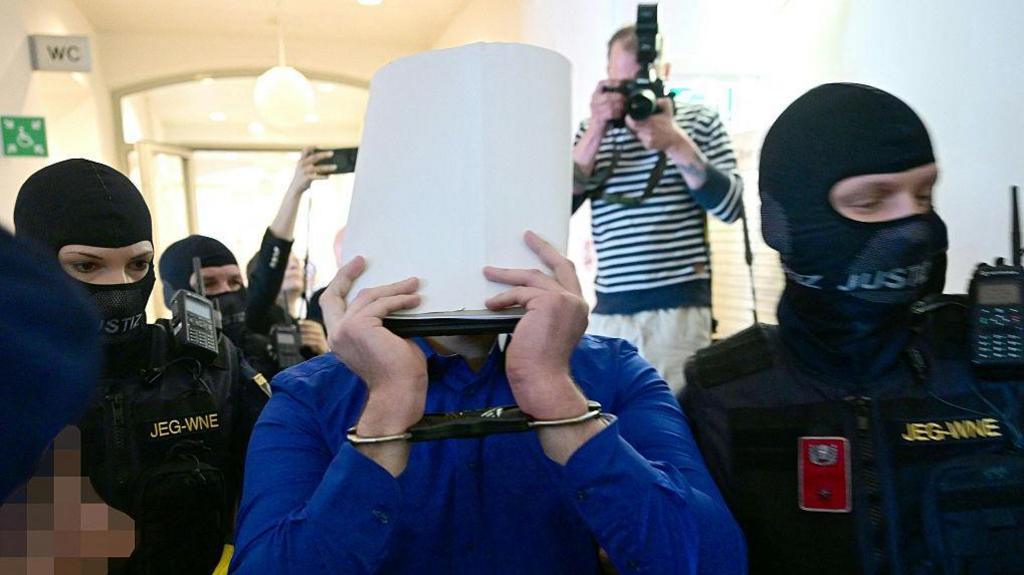
A man accused of planning a terror attack targeting fans attending a Taylor Swift concert in Austria has apologized in court as judges prepare to deliver a verdict in one of Europe’s most shocking entertainment-related terrorism cases in recent years.
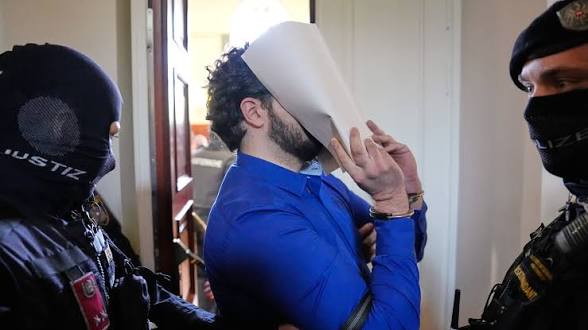
The 21-year-old Austrian suspect, identified only as Beran A. under Austria’s privacy laws, appeared before a court in Wiener Neustadt on Thursday and admitted remorse over the foiled attack that led to the cancellation of Taylor Swift’s highly anticipated Eras Tour concerts in Vienna in 2024.
“I would just like to say that I am sorry,” the accused told the court in brief final remarks before judges retired to deliberate.
The suspect had earlier pleaded guilty to several terrorism-related charges linked to the planned attack, which authorities say could have caused mass casualties among thousands of Swift fans gathered outside Vienna’s Ernst Happel Stadium.
Prosecutors allege the accused planned to use knives and homemade explosives during the concerts, which had been expected to attract more than 200,000 fans over three days.
According to investigators, the suspect had pledged allegiance to the Islamic State group and was allegedly radicalized online through extremist propaganda shared on encrypted messaging platforms.
Austrian authorities say the plot was disrupted just days before the concerts after intelligence agencies uncovered suspicious activity connected to extremist networks.
The case sent shockwaves across the entertainment industry and triggered global concern over security at major public events.
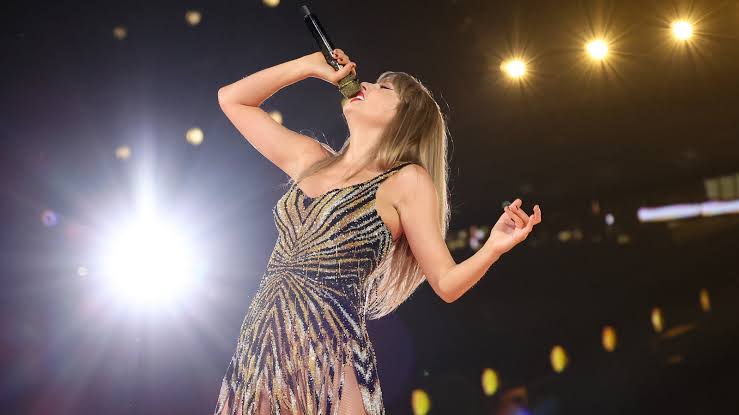
Taylor Swift’s Vienna concerts, scheduled for August 2024, were abruptly canceled after police announced multiple arrests tied to the suspected attack plan.
The cancellation devastated thousands of “Swifties” who had traveled from across Europe and beyond to attend the record-breaking Eras Tour.
At the time, fans flooded Vienna’s streets singing Swift songs, exchanging friendship bracelets, and consoling one another after learning the concerts would not go ahead.
Images of emotional fans gathering in public squares quickly went viral on social media and turned the Austrian capital into an unexpected symbol of resilience and unity.
Investigators later revealed that the suspect allegedly attempted to obtain weapons, including a machine gun and explosive materials, while also studying bomb-making instructions linked to Islamic State propaganda.
Authorities claimed he had planned to attack crowds outside the stadium where thousands of fans without tickets were expected to gather during the concerts.
Reports from the trial indicated that the accused was also connected to a broader extremist network allegedly planning attacks in parts of the Middle East during Ramadan in 2024. However, the suspect denied some of the wider accusations related to international plots.
Security analysts say the case exposed the growing threat posed by online radicalization among young people in Europe.
Austrian officials have since pushed for stronger surveillance capabilities and enhanced counterterrorism coordination with international intelligence agencies following revelations that foreign intelligence played a key role in uncovering the plot before it could be executed.
The incident also forced major concert organizers worldwide to reassess security arrangements for large-scale entertainment events.
Following the Vienna scare, security was tightened significantly for Taylor Swift’s subsequent performances in London and other cities.
Swift herself later described the cancellation of the Vienna shows as “devastating,” saying she struggled emotionally after learning of the planned attack.
The pop superstar thanked authorities for preventing what could have become a deadly tragedy.
The Eras Tour, widely regarded as one of the most successful concert tours in music history, attracted millions of fans globally and generated billions in economic activity.
Vienna businesses had anticipated a massive tourism boom from Swift’s shows, with hotels, airlines, restaurants, and local attractions expecting huge crowds before the concerts were canceled.
As Austria now awaits the court’s verdict, the case continues to highlight the intersection of global pop culture, online extremism, and modern security threats facing major public events around the world.
FOLLOW NAIROBI NEWS ON FACEBOOK
If you like our work, you can buy us a soda
Buy us a soda 🥤