

At least 14 people have been confirmed dead and several others injured after a devastating landslide struck a centuries-old monastery in Ethiopia’s Amhara region, turning what was meant to be a sacred religious gathering into a scene of unimaginable tragedy.
Rescue teams continued searching through mud and rocks amid fears that more victims could still be trapped beneath the debris.
The disaster unfolded early Monday morning at the Tsadqane Debre Mitmaq St. Mary Monastery, located in the mountainous Sela Dingay area, about 200 kilometres northeast of the Ethiopian capital, Addis Ababa.
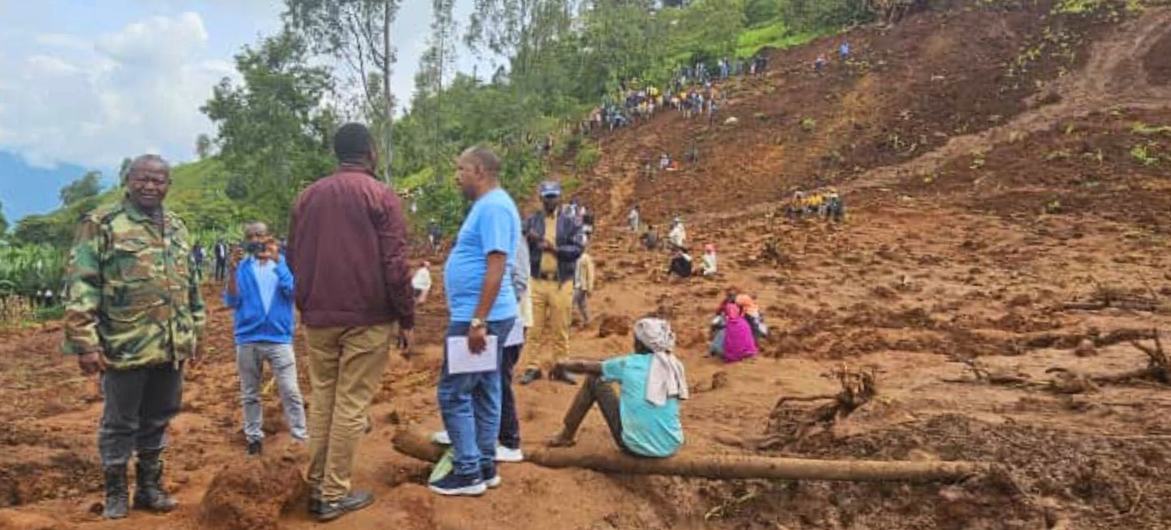
Hundreds of Orthodox Christian worshippers had gathered at the monastery for a popular holy water cleansing ceremony, a ritual believed by many to offer spiritual healing and blessings, when the hillside suddenly collapsed.
According to church officials, the landslide struck at around 7 a.m. after hours of torrential overnight rainfall, sending massive rocks, mud and debris crashing onto the worshippers below.
“The disaster occurred at approximately 7 a.m., and many of those who died had come to receive the holy water,” diocesan general manager Megabe Hadis Neka Tibeb Ababu told The Associated Press.
Eleven of the victims were buried at the monastery, while three others were returned to their hometowns for burial.
Authorities said the force of the landslide left some bodies severely disfigured, making identification difficult.
Seven people sustained serious injuries and were rushed to Debre Birhan Hospital, approximately 70 kilometres away, where they continue receiving treatment.
Local disaster response teams, security personnel and volunteers have been combing through the debris in search of anyone who may still be missing.
The deadly incident comes as Ethiopia experiences its annual Kiremt rainy season, which typically lasts from June to September.
Heavy rainfall frequently triggers floods and landslides across the country’s highland regions, especially in remote rural communities where steep slopes and limited infrastructure increase the risk of disasters.
Climate experts have repeatedly warned that East Africa is witnessing increasingly extreme weather patterns linked to climate change.
More intense and prolonged rainfall has contributed to a growing number of landslides, flash floods and other natural disasters across the region.
The latest tragedy revives painful memories of one of Ethiopia’s worst natural disasters in recent history. In July 2024, more than 250 people lost their lives after massive landslides devastated communities in southern Ethiopia.
Earlier disasters caused by heavy rains and flooding have also claimed dozens of lives, underscoring the country’s growing vulnerability to climate-related emergencies.
Authorities have dispatched disaster management experts to assess the stability of the surrounding slopes and determine what triggered the collapse.

While heavy rainfall is believed to have been the primary cause, some local reports suggested minor earth tremors may also have contributed, although this has not been officially confirmed.
As grieving families mourn their loved ones, the Ethiopian Orthodox Church has led funeral prayers and appealed for support for the affected families.
The disaster has once again highlighted the urgent need for improved disaster preparedness, early warning systems and stronger protection for vulnerable communities during the country’s rainy season.
FOLLOW NAIROBI NEWS ON FACEBOOK

If you like our work, you can buy us a soda
Buy us a soda 🥤