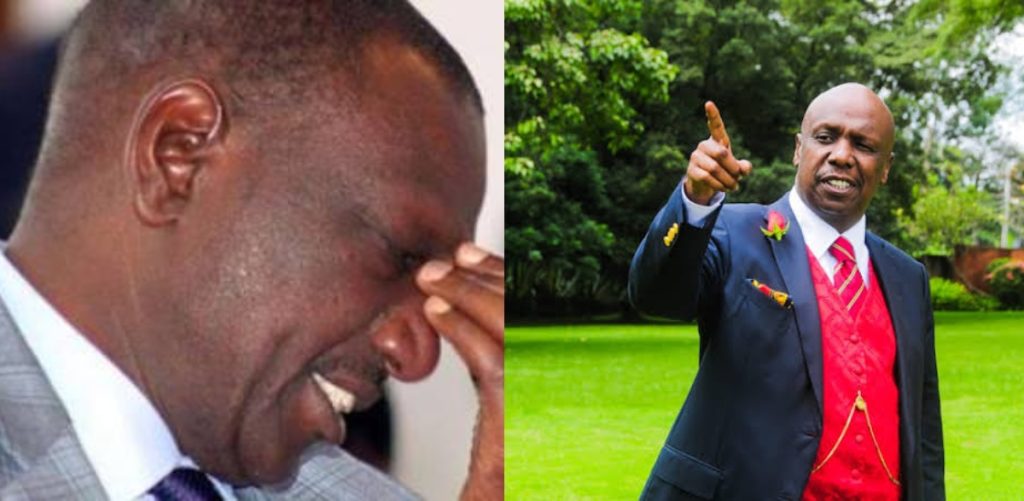
President William Ruto has escalated his long-running feud with the Standard Media Group, launching a blistering attack against KANU chairman Gideon Moi and accusing the media house of engaging in what he termed “extortionist propaganda” against his administration.
In a strongly worded post shared on his official X account, William Ruto claimed that persistent negative headlines published by the media house would neither intimidate him nor derail his government’s development agenda.
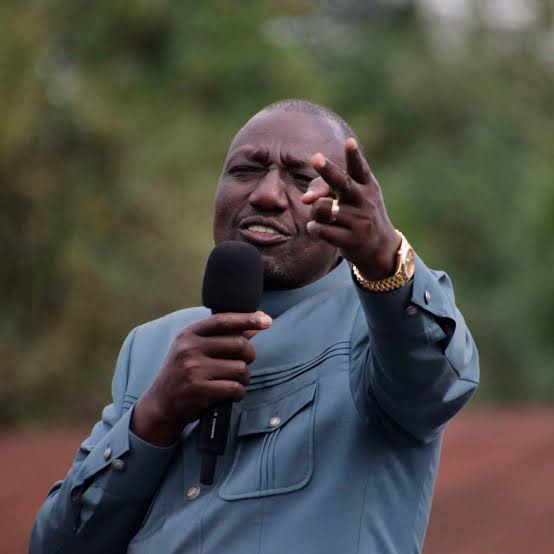
“GMoi, your STANDARD media’s 5 days a week EXTORTIONIST propaganda HEADLINES on me & my administration’s transformative track record will get you NOTHING & NOWHERE. BLACKMAIL to yield to your GREED? NEVER. Kenya belongs to all Kenyans, not you alone. Jaribu 8 days a week. Do your WORST,” Ruto tweeted.
The remarks mark the latest chapter in an increasingly bitter confrontation between the President and the Mombasa Road-based media house, which has in recent months attracted national attention for its bold and often critical front-page headlines targeting the Kenya Kwanza administration.
The Standard has become known for publishing hard-hitting headlines questioning government policies, leadership decisions and the pace of economic reforms.
Several of the newspaper’s front pages have gone viral on social media, sparking heated debate among supporters and critics of the government alike.
Political Dimensions
Ruto’s latest criticism also carries significant political undertones given that the Standard Media Group is associated with the family of Gideon Moi, the former Baringo senator and son of Kenya’s second president, the late Daniel arap Moi.
The relationship between the President and the Moi family has remained strained for years, dating back to political realignments that saw Ruto emerge as a dominant force in Rift Valley politics.
Recently, allies of the President have repeatedly accused the newspaper of pursuing a politically motivated campaign against the government.
The latest attack comes at a time when tensions between the State and the media have also generated concerns among press freedom advocates.
Earlier this year, the Standard Media Group alleged that it was facing sustained regulatory pressure and intimidation, while media organizations and journalists’ groups warned against actions they viewed as hostile to independent journalism.
Ruto Defends His Record
Despite growing criticism from sections of the media and opposition leaders, Ruto has consistently defended his administration’s performance, arguing that his government remains focused on delivering campaign promises.
Speaking during several public engagements in recent months, the President has maintained that the commitments he made during the 2022 election campaign were intended to transform the country and not merely secure votes.
He has repeatedly insisted that his administration is implementing reforms aimed at improving the economy, expanding infrastructure and creating opportunities for ordinary Kenyans.
The President has also previously warned Kenyans against relying solely on social media narratives, arguing that misinformation and politically motivated propaganda often distort public perception of government achievements.
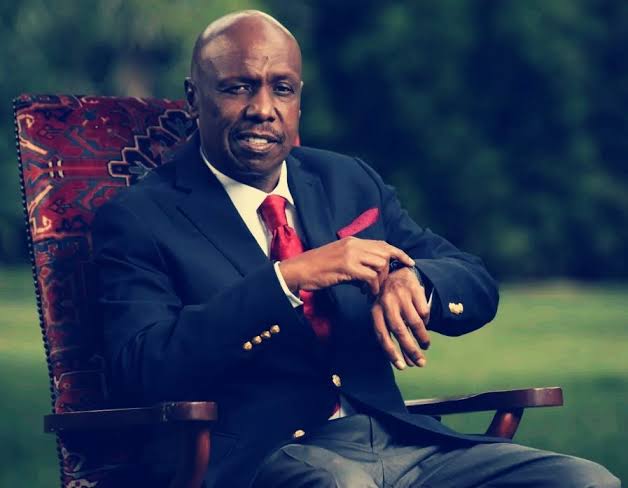
Growing Media-Government Tensions
The confrontation highlights the increasingly adversarial relationship between sections of Kenya’s media and the government.
While supporters of the Standard praise its aggressive journalism and willingness to challenge those in power, government allies have accused the publication of sensationalism and political bias.
As the country edges closer to the 2027 General Election cycle, analysts expect political temperatures to continue rising, with media coverage likely to play a central role in shaping public opinion.
For now, Ruto appears determined not to back down.
His latest message leaves little doubt that the battle between State House and one of Kenya’s oldest media institutions is far from over.
WATCH MUNGU WANGU NAKUTHAMINI BY ALKINYO HERE
FOLLOW NAIROBI NEWS ON FACEBOOK

If you like our work, you can buy us a soda
Buy us a soda 🥤