Legislative leaders representing Persons with Disabilities have faulted the executive for failing to fast-track the implementation of the Persons with Disabilities Act, 2025.
The Act assented into law by President William Ruto last year entrenches a dozen fold benefits for disabled citizens that, if implemented would promote inclusion and ensure they are socially and economically empowered and protected.
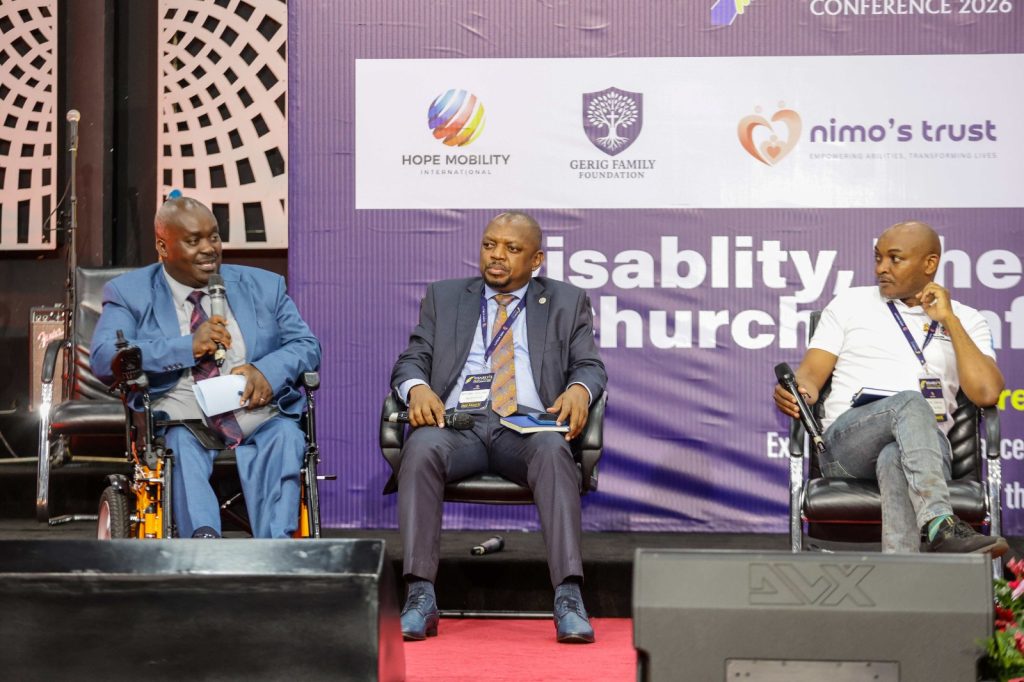
During a conference dubbed ‘Disability, the Bible and the Church Conference held at CITAM, the leaders underscored that while the law marked a historic milestone, its impact has yet to be felt by the millions of Kenyans it was designed to serve.
Nominated Senator Crystal Asige who sponsored the Act stressed that Parliament had fulfilled its mandate and that responsibility now lies with the Executive and the members of the public to ensure the Act is operationalized.
She noted that the legislation contains progressive provisions that not only address infrastructural systems that promote accessibility standards but also a shift in transport systems and extended employment protections.
“The PWD Act, 2025 is now law. We have done our part as Parliamentarians, but we need more concerted efforts from churches and other grassroot organizations to sensitize the public and the communities on what the Act promotes for PWDs and start giving pressure to government to operationalize it. We need more voices,” she said.
Senator Asige expressed disappointment that one year on, the PWD Act is yet to be operationalized noting that such barrier continue to exclude people abled differently from full participation in nation building and social integration.
“It is unfortunate that one year on, we are still waiting for the PWD Act to be put into practice. It is law that is being treated as a suggestion. It is unfortunate that disability is not a priority. Once an Act becomes law it should not take a year to implement,”
“We need the wider society to make noise about this. We need the community of people who believe in the rights of Persons living With Disabilities to act now and fight for those who have been traditionally excluded,” she noted.
Nominated MP Harun Kipchumba on his part said there was need for more representation in political and civic roles in government while calling on mainstreaming of disabilities by making it a crucial part of budget making process.
“Systemic gaps have remained a constraint and prominent for years, yet they remain unresolved. There is weak policy alignment and lack of prioritization on matters affecting PWDs in the country which have contributed to the disinterest in implementing it. Without a central focus in national budgeting and coordinated implementation, the Act will remain largely on paper,” he said.
He further pointed out inaction with government ministries, particularly the Ministry of Labour and Social Protection, noting it is yet to fully roll out the frameworks and regulations that are needed to activate the law
“The absence of clear policy guidelines, lack of budget appropriation and lack of political goodwill have continued to collectively stall progress. We need more public awareness because people remained ignorant what is in the Act
Duncan Chengo of the National Council for Persons with Disabilities noted that societal attitudes continue to hinder inclusion.
“We all need an all-hands-on-deck approach to end stigma and discrimination in our society by being sensitive to their plight,” he said.
The event was organized by Hope Mobility Kenya, a charity organization that fabricates wheelchairs for distribution to PWDs within Kenya and East Africa region.