
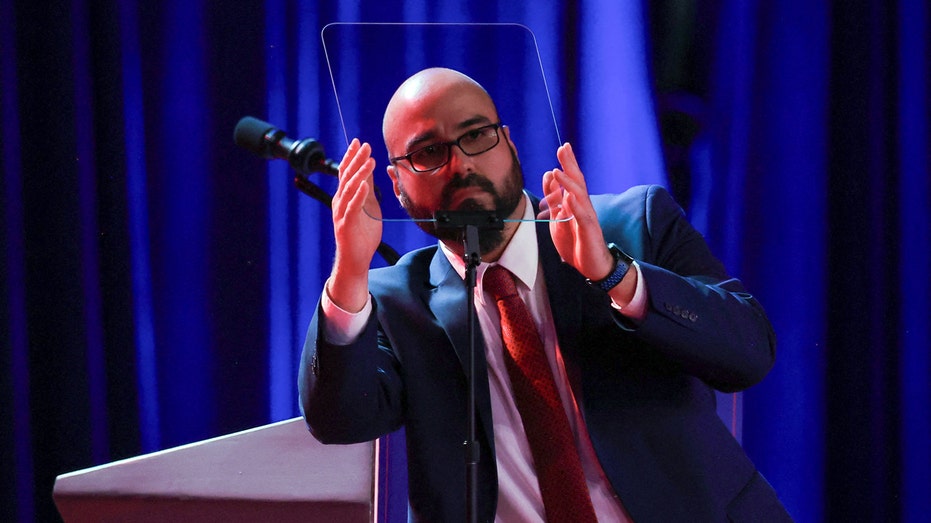
A former White House staffer has been hit with a multimillion-shilling financial penalty after allegedly turning privileged access to President Donald Trump’s speeches into a lucrative prediction-market operation.
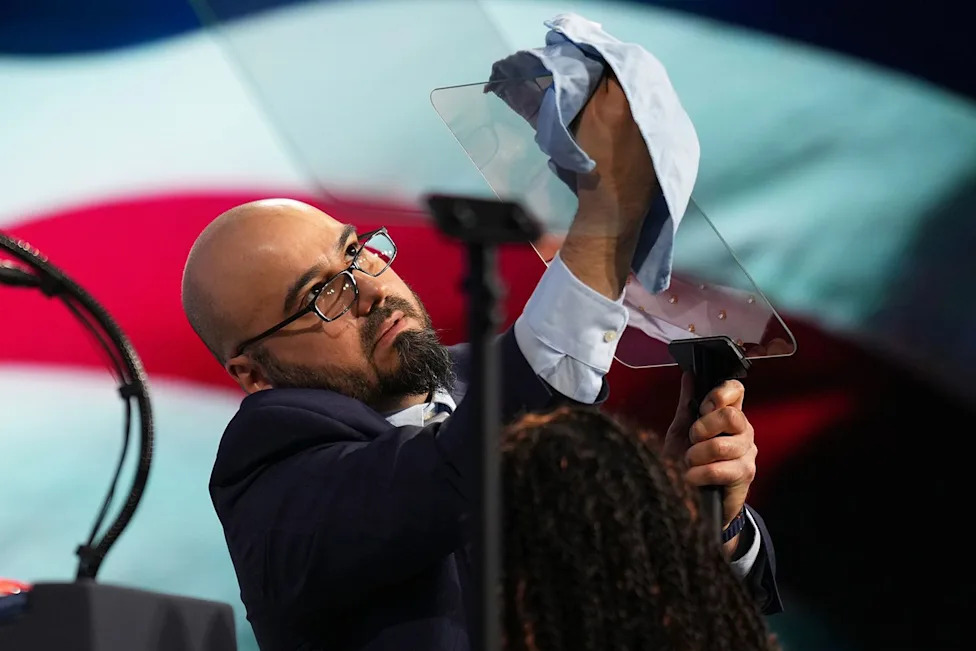
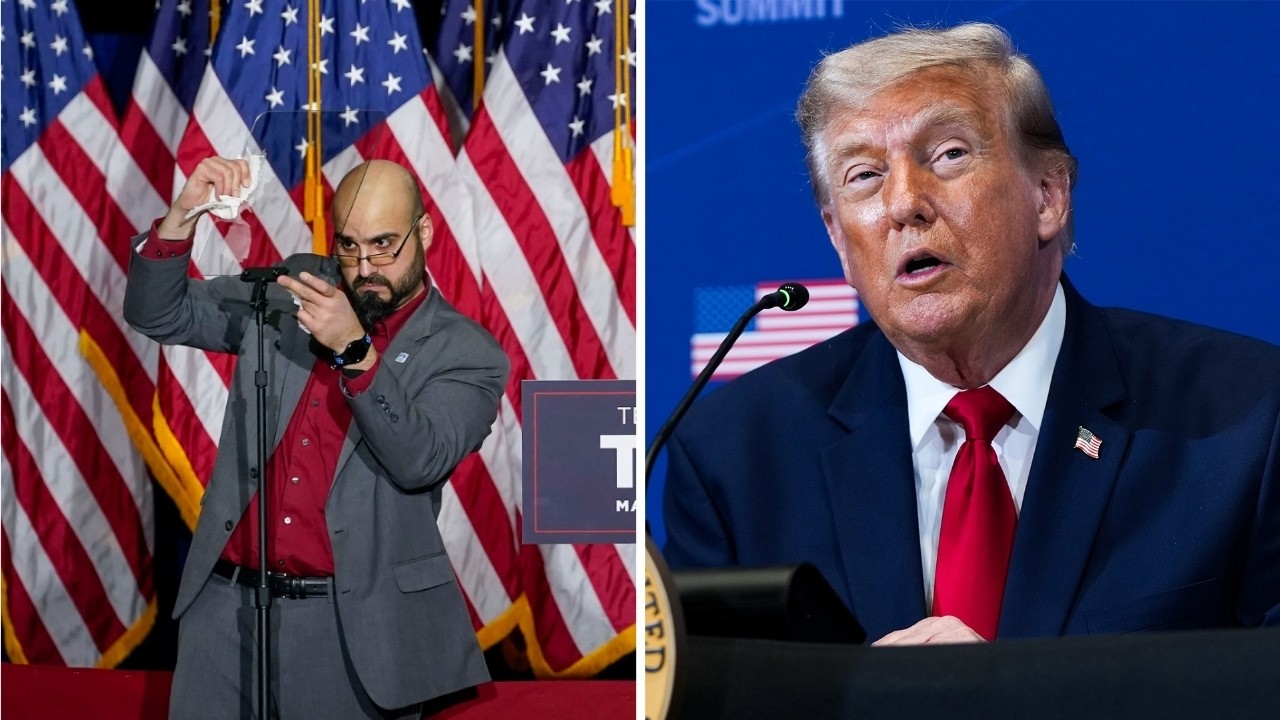
Gabriel Perez, a former White House teleprompter operator, has been ordered to pay more than $172,000 (approximately Sh22 million) after US regulators determined that he used advance knowledge of Trump’s prepared remarks to make profitable trades on Kalshi.
The Commodity Futures Trading Commission (CFTC) said Perez must surrender $107,539.02 (about Sh14 million) in profits and pay an additional $65,000 (about Sh8.4 million) civil penalty.
He has also been prohibited from trading for three years.
How the unusual betting scheme worked
Unlike conventional sports betting, Kalshi allows users to trade contracts based on whether particular real-world events will happen.
In Perez’s case, the markets involved predicting whether particular words, phrases or topics would appear in Trump’s public speeches.
The arrangement created a potentially valuable advantage for someone whose job gave him access to presidential remarks before they were delivered.
According to the CFTC, Perez had access to Trump’s speeches in advance and used that information to place trades, effectively giving himself an advantage over other participants who did not have access to the same material.
The regulator said he had “misappropriated” the information in breach of his duty of trust and confidence.
Perez’s activity reportedly took place between December 2025 and February 2026, with investigators finding that he traded on numerous Trump speeches.
Earlier reports indicated that his trades generated more than $100,000 in profits before his account was frozen.
He was not an ordinary White House employee
The controversy was particularly serious because of Perez’s position.
Reports identified him as a longtime Trump teleprompter operator who had worked around the president since Trump’s first presidential campaign.
His role meant he could see prepared remarks and, according to reports, was sometimes among the people handling last-minute changes to Trump’s speeches.
That access potentially gave him information that ordinary traders could not obtain.
ABC News reported that investigators found Perez had placed bets on more than a dozen Trump speeches, including major presidential appearances.
The significance of that access became even clearer because Trump is known for departing from prepared remarks and making last-minute changes during speeches.
For traders betting on whether a particular word or phrase would be uttered, even seemingly small pieces of advance information could therefore have financial value.
Kalshi spotted something unusual
The trades did not simply go unnoticed.
Kalshi’s surveillance system detected activity that did not resemble typical trading patterns and subsequently investigated the account.
The company discovered that the trader was a federal employee working as a White House teleprompter operator and referred the matter to federal regulators.
The platform later froze Perez’s account as the investigation progressed.
Kalshi’s lead lawyer Bobby DeNault welcomed the regulator’s action, arguing that the rules apply regardless of a trader’s position or influence.
The company has also stressed that political figures’ words can have significant financial consequences across markets, making advance information potentially valuable to traders.
White House reaction
The scandal had already emerged publicly in July, when the White House confirmed that Perez had been placed on unpaid leave.
White House press secretary Karoline Leavitt described the conduct as deeply unfortunate and a disgrace, while officials indicated that Perez would not return to his position.
By the time the CFTC announced the settlement, Perez was no longer working in his White House position.
The latest settlement does not merely take away the money he made.
It also places a three-year restriction on his ability to trade, adding a significant professional and financial consequence to the controversy.
The bigger controversy surrounding prediction markets
Perez’s case has arrived at a particularly sensitive moment for prediction markets.
Platforms such as Kalshi and Polymarket have experienced rapid growth as users increasingly trade contracts linked to politics, economics, weather, sports and other events.
Supporters describe prediction markets as financial instruments that allow people to express views about future events.
Critics, however, argue that some of these markets increasingly resemble conventional gambling.
That debate has already reached US courts.
A federal appeals court recently ruled that Kalshi could not prevent Nevada from exercising regulatory authority over its operations, adding another layer to the growing dispute over whether prediction markets should be treated primarily as financial markets or gambling businesses.
New York has also sued Kalshi, accusing the company of operating an illegal gambling operation in the state.
Kalshi disputes such characterisations and has maintained that its markets fall under federal regulation.
Why the Perez case matters
The biggest issue raised by the scandal may not be the amount of money involved.
It is the question of whether people with privileged access to government information should be allowed to financially benefit from information that ordinary market participants cannot obtain.
In traditional financial markets, trading on material non-public information can trigger serious regulatory consequences.
The CFTC’s action demonstrates that regulators are increasingly paying attention to similar concerns in prediction markets, particularly as these platforms become more sophisticated and attract larger amounts of money.
The commission said Perez’s penalty was reduced because of his “exemplary cooperation” with investigators.
He nevertheless has to surrender the profits and pay the additional civil penalty.
For Kalshi, meanwhile, the episode provides a powerful test of its surveillance systems and its claim that prediction markets can operate as legitimate, regulated financial platforms.
For the White House, it has raised uncomfortable questions about the value of confidential presidential information.
And for ordinary traders, the case sends an unmistakable warning: having an informational advantage may be profitable, but using privileged government information to trade can turn a seemingly clever bet into a costly regulatory nightmare.
In Perez’s case, what began as bets on Trump’s words ultimately ended with him losing the very profits that had made the unusual strategy so lucrative, and paying millions of shillings more for the privilege.
FOLLOW NAIROBI NEWS ON FACEBOOK

If you like our work, you can buy us a soda
Buy us a soda 🥤