
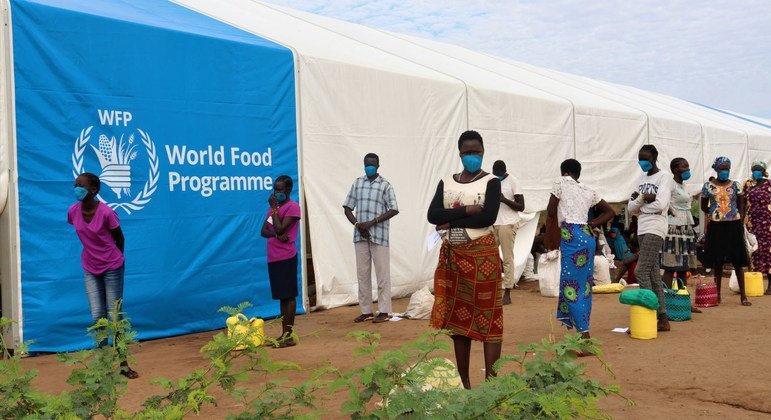
More than 720,000 refugees living in Dadaab, Kakuma, and Kalobeyei camps are facing a looming food crisis following the announcement of the worst cut in food assistance ever recorded in Kenya by the United Nations World Food Programme (WFP).
Starting June 2025, WFP will slash food rations to just 28% of the daily recommended nutritional intake, down from 40% in February. All cash-based food assistance will also be suspended, unless urgent new funding is secured.
The agency, which is grappling with a sh6.7 billion (US$44 million) funding shortfall, warned that the decision could have dire humanitarian consequences, particularly for children, pregnant women, and breastfeeding mothers already struggling with malnutrition.
“WFP’s operations supporting refugees in Kenya are under immense strain,” said Baimankay Sankoh, WFP’s Deputy Country Director in Kenya.
“This will have a serious impact on vulnerable refugees, increasing the risk of hunger and malnutrition.”
According to WFP, the crisis is exacerbated by a rapidly growing refugee population, which has ballooned from 500,000 to 843,000 over the last five years.
The increase is largely attributed to conflict, drought, and famine in neighboring countries such as Somalia and South Sudan.
Already, more than 13% of refugee children and breastfeeding mothers in Kenya’s camps suffer from Global Acute Malnutrition (GAM) above the emergency threshold set at 10%.
WFP also confirmed that its nutrition programs for children and mothers were discontinued in late 2024 due to earlier funding cuts.
Under the new rationing, refugees will receive less than a third of the daily 2,100 kilocalories recommended for survival, raising alarms about the long-term implications.
“Less support will force refugees to make heartbreaking choices parting with essential belongings, withdrawing children from school, or even risking a return to unstable home countries,” Sankoh warned.
WFP is working alongside the Department of Refugee Services (DRS) and the UNHCR to bolster self-reliance initiatives, including farming, access to water infrastructure, and integration into local food markets for both refugees and host communities.
Unless funding is restored urgently, WFP says the situation will continue to deteriorate, leading to increased malnutrition, rising school dropouts, and potential humanitarian displacement across borders.
Government Halts Recruitment And Contract Renewals In Parastatals Amid Major Reforms

If you like our work, you can buy us a soda
Buy us a soda 🥤