
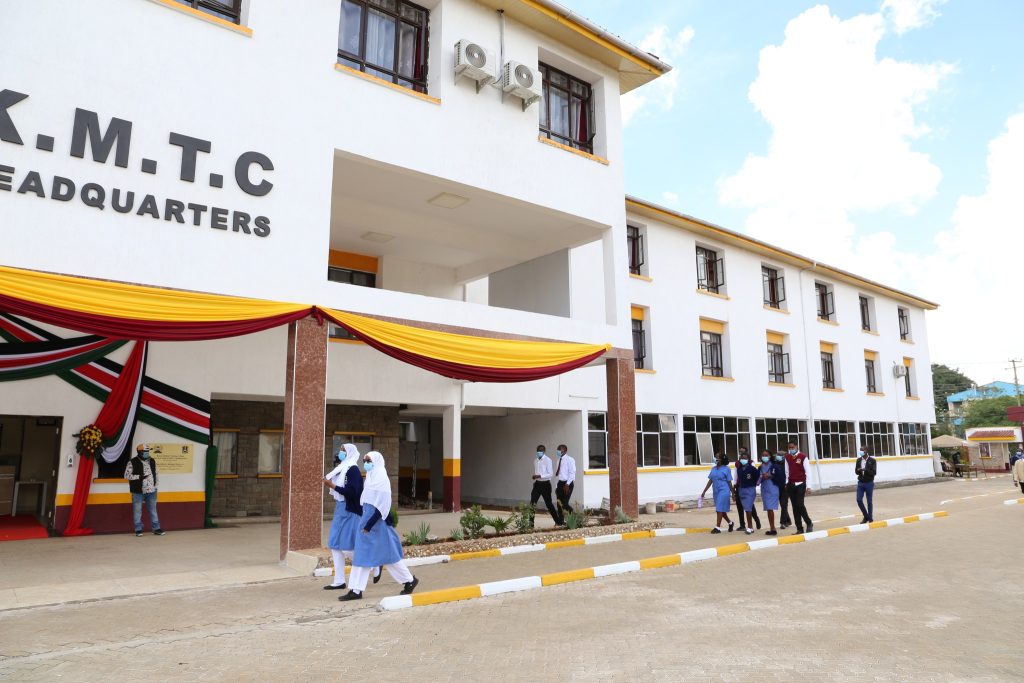
Kenya Medical Training College (KMTC) Nairobi is one of the most prestigious institutions for medical education in Kenya. As the flagship campus of KMTC, it has played a vital role in training healthcare professionals who serve in hospitals, clinics, and other medical institutions across the country and beyond. The institution is known for producing competent, well-trained professionals in various medical fields, contributing significantly to Kenya’s healthcare sector.
Medical Training
KMTC Nairobi was established in 1927 as a training center for medical professionals. Over the years, it has evolved into one of the leading institutions for medical education, offering a wide range of diploma and certificate courses in various health disciplines. The college has consistently provided high-quality training that aligns with national and global healthcare standards.
With a strong emphasis on practical learning, the institution ensures that students are well-equipped with the necessary skills to address real-world medical challenges. Its graduates are among the most sought-after healthcare professionals, working in public and private health facilities across Kenya and internationally.
Comprehensive Academic Programs
KMTC Nairobi offers a variety of courses designed to meet the growing demands of the healthcare industry. These programs cover multiple disciplines, including nursing, clinical medicine, pharmacy, medical laboratory sciences, radiography, physiotherapy, and public health. The college also provides specialized courses in areas such as orthopedic technology, nutrition, and health records management.
The institution follows a competency-based training approach, integrating theory with hands-on clinical experience. Students undergo rigorous training both in classrooms and in affiliated hospitals, ensuring they acquire the necessary expertise to handle medical cases effectively. The college collaborates with key healthcare institutions, including Kenyatta National Hospital and other major medical facilities, to provide students with real-life exposure in their respective fields.
State-of-the-Art Facilities and Learning Environment
KMTC Nairobi boasts modern facilities that enhance learning and research. The campus has well-equipped laboratories, advanced simulation centers, a comprehensive medical library, and high-tech lecture halls. These facilities create an ideal environment for students to gain both theoretical knowledge and practical experience.
Also Read: ABC Place Nairobi: A Premier Business and Lifestyle Hub
The college also integrates digital learning technologies, allowing students to access online resources, participate in virtual learning, and engage in collaborative research projects. The institution’s commitment to continuous improvement ensures that it remains at the forefront of medical education in Kenya.
Clinical Rotations and Industry Partnerships
A key strength of KMTC Nairobi is its close ties with hospitals and healthcare institutions, where students gain hands-on experience through clinical rotations and internships. The college works closely with the Ministry of Health and county governments to ensure that students get placement opportunities in various healthcare settings.
These industry linkages not only provide students with practical training but also improve their employment prospects after graduation. Many KMTC graduates secure jobs in government hospitals, private clinics, NGOs, and international healthcare organizations. The reputation of KMTC alumni as highly skilled and disciplined professionals further enhances the college’s standing in the medical field.
Commitment to Public Health and Community Service
KMTC Nairobi is deeply involved in community health programs, playing a significant role in addressing public health challenges. The institution regularly organizes medical camps, vaccination drives, disease awareness campaigns, and community outreach programs aimed at improving healthcare access in underserved areas.
Through these initiatives, students gain real-world exposure while contributing to national health objectives. The college emphasizes the importance of preventive healthcare, equipping students with the skills to promote public health education and disease prevention strategies.
If you like our work, you can buy us a soda
Buy us a soda 🥤